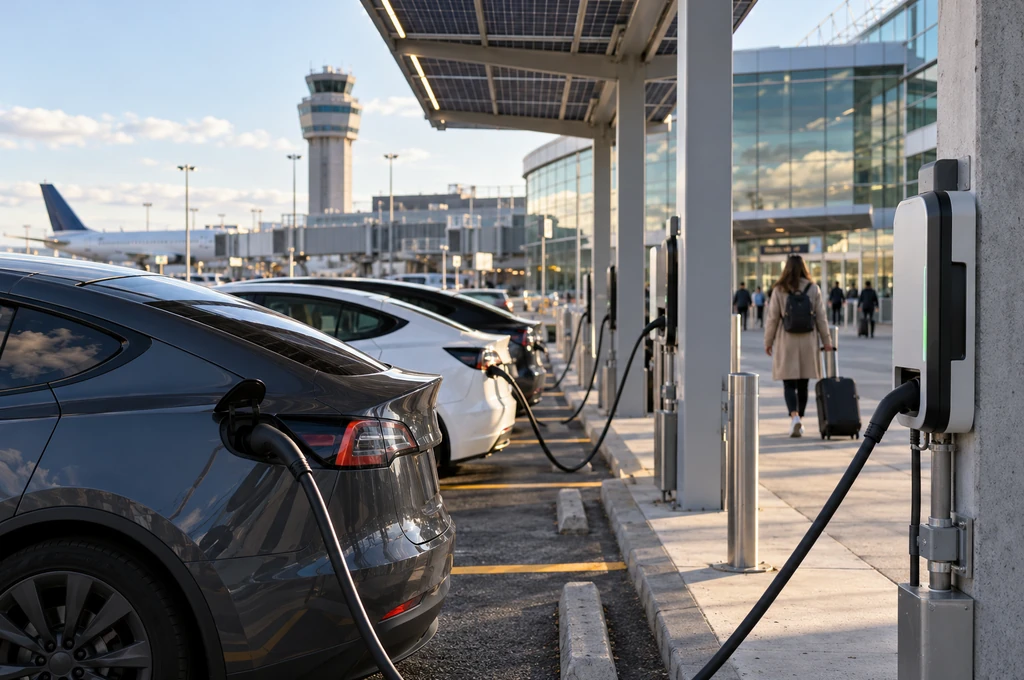
solar: Wallbox and EDP Électrique have deployed EV chargers at Montreal Metropolitan Airport, marking a significant step in integrating electric mobility with local energy grids. This collaboration brings advanced charging technology to a high-traffic hub, aiming to reduce the carbon footprint of travelers and airport operations alike. The installation reflects a growing trend where transit infrastructure and renewable energy converge to support a sustainable future.
⚡ Quick AI Overview & Key Recommendation
Wallbox and EDP Électrique are installing advanced EV chargers at Montreal Metropolitan Airport. This partnership prioritizes solar-powered infrastructure and smart grid management to lower emissions and optimize energy use for travelers.
solar: Wallbox EDP Électrique Montreal Airport: Key Highlights & Market Impact
The partnership between Wallbox and EDP Électrique targets the growing demand for reliable charging at major transportation nodes. By placing these units at Montreal Metropolitan Airport, the companies address a specific gap in the market: the need for fast, accessible charging for long-distance travelers. The chargers support AC and DC fast charging protocols, accommodating a wide range of electric vehicle models.
This deployment is more than just hardware installation. It represents a strategic alignment with broader environmental goals. The airport serves thousands of passengers daily, and providing clean energy options for their vehicles reduces the overall carbon intensity of travel. Wallbox’s smart management software allows for load balancing and scheduling, which prevents grid overloads during peak hours. EDP Électrique brings its local expertise in energy distribution, ensuring the infrastructure integrates smoothly with the existing power grid.
Market analysts view this move as a bellwether for airport electrification. As more airlines and ground transport providers commit to net-zero targets, facilities like airports must adapt. This project demonstrates how public-private partnerships can accelerate the rollout of essential green technologies. It sets a precedent for other major transit hubs looking to modernize their fleets and facilities.
Detailed Breakdown: What Caused This Infrastructure Shift?
Several factors drove the decision to upgrade charging infrastructure at Montreal Metropolitan Airport. First, the rapid adoption of electric vehicles in the region created a surge in demand. Travelers arriving at the airport often have limited time and require reliable charging solutions to top off their batteries before heading home. Traditional gas stations are not always convenient for airport-goers, creating a niche for on-site charging.
Second, regulatory pressure and corporate social responsibility mandates pushed airports to reduce their environmental impact. Airports are energy-intensive facilities, and switching to electric ground support equipment and passenger vehicles is a tangible way to cut emissions. This project aligns with these mandates by providing a clean alternative to internal combustion engines.
Third, the technological maturity of EV chargers made this a viable investment. Wallbox’s hardware is designed for durability and ease of use, while their software provides real-time data and remote management capabilities. This allows airport operators to monitor energy consumption and optimize costs. The integration of solar energy into this mix, facilitated by EDP Électrique, further enhances the sustainability of the project.
Finally, the economic incentives cannot be ignored. Governments and energy providers often offer subsidies for green infrastructure projects. These incentives lower the initial capital expenditure for airports, making the switch to electric charging more financially attractive. The long-term operational savings and potential revenue from charging services also contribute to the business case.
What This Means for Readers & Future Outlook
For the average traveler, this development means greater convenience and a smaller environmental footprint. Being able to charge an electric vehicle while waiting for a flight or picking up passengers removes range anxiety and the need to hunt for external charging stations. It turns a necessary wait into an opportunity to recharge the car and the body.
The broader implications extend beyond individual convenience. This project highlights the critical role of infrastructure in the transition to electric mobility. Without accessible charging at key nodes like airports, the adoption of electric vehicles will stall. By demonstrating success in one major hub, Wallbox and EDP Électrique encourage similar projects in other sectors, such as retail centers and residential complexes.
Looking ahead, we can expect a proliferation of smart charging networks. Future iterations of these chargers will likely feature even faster charging speeds and deeper integration with renewable energy sources. The data collected by Wallbox’s system will provide valuable insights into charging behavior, helping utilities plan for future demand. This creates a feedback loop that improves efficiency and reliability for everyone.
Readers interested in the intersection of solar power and electric vehicles should follow this space closely. The Montreal Metropolitan Airport project serves as a model for how to effectively blend utility-scale energy management with consumer convenience. It shows that the future of travel is not just about cleaner planes, but also about cleaner ground transportation powered by the sun.
| Project Partner | Key Role | Technology Focus |
|---|---|---|
| Wallbox | Hardware & Software | Smart Charging Management |
| EDP Électrique | Energy Distribution | Solar Integration & Grid Support |
| Montreal Metropolitan Airport | Infrastructure Provider | High-Traffic Transit Hub |
How Smart Solar EV Charging Uses AI to Keep Clean Power Grids Stable
Shell Launches Solar-Powered EV Chargers in Singapore with 3 New Locations
SolarCity Case Raises Concerns Over SpaceX-Tesla Merger Risks
Frequently Asked Questions
What type of EV chargers are installed at Montreal Metropolitan Airport?
The project features Wallbox chargers capable of both AC and DC fast charging to support a wide range of electric vehicle models.
Who are the partners behind this airport charging project?
The installation is a collaboration between Wallbox, a smart charging technology company, and EDP Électrique, a local energy provider.
How does this project benefit the environment?
It reduces carbon emissions by providing electric vehicle charging powered by sustainable energy sources and helps optimize grid load.
Is the charging infrastructure integrated with solar energy?
Yes, the project emphasizes the integration of solar power with the charging network to enhance sustainability.
Can all electric vehicle types use these chargers?
The Wallbox chargers are designed to be compatible with a broad spectrum of electric vehicles available in the market.
Why is airport charging infrastructure important for EV adoption?
Airports are major transit hubs where travelers often have limited time, making on-site charging a critical convenience.
What role does EDP Électrique play in this initiative?
EDP Électrique provides the energy distribution expertise and likely facilitates the integration with local solar and grid systems.
How does this project impact the local energy grid?
Smart management software prevents grid overloads by balancing energy loads during peak usage times.
Where can I find more information about these chargers?
Details on the specific locations and availability can be found through the official channels of Montreal Metropolitan Airport and the project partners.
Is this part of a larger trend in airport electrification?
Yes, this project is part of a global trend where airports are upgrading their infrastructure to support electric mobility and reduce their carbon footprint.
Final Thoughts on Wallbox EDP Électrique Montreal Airport
This collaboration sets a high standard for future transit projects. By prioritizing smart technology and clean energy, Wallbox and EDP Électrique have created a model that other airports should emulate.
Source: Solar Builder (solarbuildermag[dot]com)