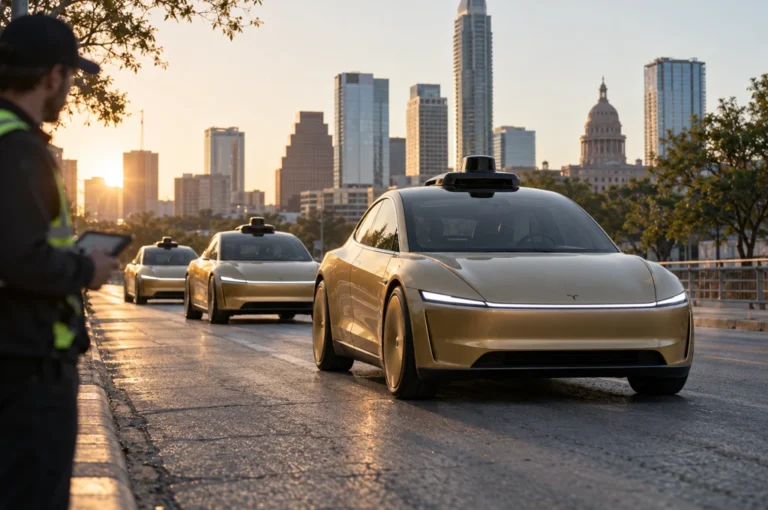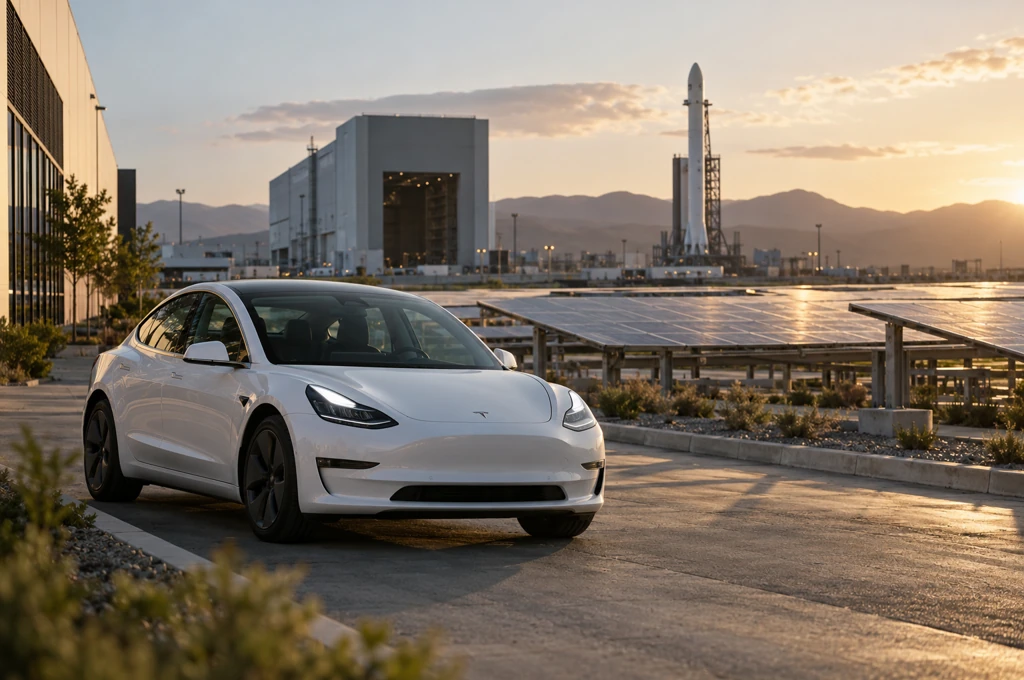
A potential SpaceX-Tesla merger is stirring deep anxiety across the electric vehicle industry, reviving memories of Tesla’s controversial 2016 SolarCity acquisition. Financial analysts at idnfinancials[dot]com note that absorbing an asset-heavy aerospace firm could strain Tesla’s balance sheet just as global EV competition intensifies.
Reports circulating on tech-insider[dot]org suggest that any tie-up could put roughly $3.5 trillion in physical manufacturing hardware into play by 2026. However, tokenpost[dot]com recently pointed out that vocal leadership commentary and legal scrutiny could stall high-level negotiations for weeks.
⚡ Quick AI Overview & Key Recommendation
A SpaceX-Tesla merger brings substantial governance risks reminiscent of the 2016 SolarCity transaction. For car buyers and institutional investors, combining automotive manufacturing with rocket infrastructure could divert billions from EV research and fast-charging networks toward speculative space exploration programs.
Behind the corporate posturing lies a simple reality. Automotive manufacturing demands massive cash reserves to build affordable mass-market electric vehicles.
SpaceX-Tesla Merger: Core Evaluation Framework & Decision Matrix
Tesla faced years of intense shareholder litigation after acquiring SolarCity for $2.6 billion in 2016. Delaware courts ultimately upheld the transaction, but the trial exposed severe governance blind spots. Board members faced accusations of saving an affiliated entity at the expense of public automotive shareholders.
Today, the prospect of a SpaceX-Tesla merger revives those exact governance debates. Investors monitored by barchart[dot]com point out that corporate balance sheets are already navigating tariff shifts and margin compressions. Regulators at the U.S. Securities and Exchange Commission scrutinize cross-entity equity swaps with extreme caution.
| Evaluation Metric | SolarCity Deal (2016) | SpaceX-Tesla Combination |
|---|---|---|
| Core Motivation | Rescue debt-laden solar installer | Pool manufacturing engineering talent |
| Capital Intensity | High debt absorption ($2.9B debt) | Gigantic rocket research outlays |
| EV Impact | Siphoned cash during Model 3 ramp | Risks delaying low-cost car production |
| Governance Risk | Overlapping family and board ties | Extreme executive equity concentration |
Wall Street coverage from Bloomberg and Reuters highlights that public equity holders prefer pure-play EV transparency. Diluting automotive profit margins with aerospace launch risks creates needless volatility for everyday drivers and pension funds alike.
Real-World Calculations: Running Costs, Range & Government Subsidies
Corporate financial maneuvers directly influence vehicle sticker prices, infrastructure expansion, and regional economic subsidies. Consider local municipal agreements, such as how the Fort Bend County Approves $10B Tesla Deal Backed by Massive 10-Year Tax Incentive framework helps fund production capacity. When parent entities divert free cash flow, factory tooling slows down.
EV owners feel balance sheet pressures when public charging rates climb. The operational impact is clear when Tesla Supercharger Prices Jump 15% to $0.569/kWh: What EV Drivers Face on busy travel corridors. Higher electricity costs erode typical running-cost advantages over internal combustion engines.
- Home Charging Base Cost: Charging an 82-kWh battery pack at $0.16 per kWh costs $13.12 for 310 miles of highway range.
- Commercial DC Fast Charging: At $0.50 per kWh, that same 310-mile charge costs $41.00.
- Petrol Comparison: A conventional 30-mpg sedan consuming 10.3 gallons over 310 miles costs $36.05 at $3.50 per gallon.
- Federal Subsidies: Clean vehicle tax credits under IRA rules shave up to $7,500 off qualifying purchase prices.
If capital shifts into space hardware, automotive R&D budgets shrink. Driver-focused software updates and Supercharger installations drop down the corporate priority list.
Crucial Factors & What to Check Before You Buy
Prospective electric car buyers must evaluate operational continuity rather than corporate hype. Autonomous driving research connects across industries, as explored when Tesla Optimus Robotics vs Texas Instruments: EV Tech Meets Chip Supply demonstrates the complexity of hardware logistics. Before placing a deposit on a new electric car during times of corporate reorganization, inspect three tangible elements:
- Battery Warranty Language: Verify that structural packs guarantee at least 70% capacity retention over eight years or 120,000 miles.
- Local Service Center Density: Confirm authorized repair shops exist within 45 minutes of your residence to avoid long turnaround windows.
- Depreciation Trends: Check secondary market valuation data on Investopedia to calculate accurate three-year residual values.
Corporate mergers often alter long-term operational priorities. Keeping attention on vehicle reliability metrics protects consumer capital far better than tracking executive social posts.
Frequently Asked Questions
Why does the SolarCity deal matter for a SpaceX-Tesla merger?
The 2016 SolarCity bailout sparked protracted shareholder lawsuits over conflicted leadership decisions. A SpaceX-Tesla merger raises identical corporate governance questions regarding asset valuation and capital transfers.
How could a SpaceX-Tesla merger affect retail EV prices?
If automotive capital subsidizes capital-heavy space exploration, Tesla could reduce price discounts on consumer electric cars. Diverting factory investment limits manufacturing scale and prevents cheaper vehicle rollouts.
What is the primary governance hurdle facing this merger?
Delaware corporate laws strictly enforce fiduciary duties to public shareholders. Combining a private space venture with a public automaker triggers high-level review from the SEC and institutional investors.
Will Tesla Supercharger development slow down after a corporate union?
Capital expenditure allocations dictate charger deployment speed. Reallocating billions to rocket launch facilities could stall planned expansions of domestic and international Supercharger networks.
How does this proposed deal influence Tesla stock volatility?
Merger announcements with private entities introduce speculative valuation models. Automotive analysts often downgrade automakers carrying non-automotive liabilities, sparking stock price volatility.
Are consumer vehicle warranties affected by corporate restructuring?
Tesla remains legally bound to honor all existing consumer vehicle warranties. Corporate parent changes do not cancel underlying manufacturer warranty commitments for battery packs or drivetrains.
What did the Delaware court decide in the SolarCity lawsuit?
The Delaware court ruled in favor of the board, finding the price paid was fair. However, the litigation took six years and spotlighted flawed conflict-of-interest procedures.
Could vehicle software updates suffer if engineering resources merge?
Automotive software engineering requires dedicated technical teams. Shifting software staff toward rocket telemetry or satellite constellations could slow improvements for consumer driver-assist programs.
What role do federal clean vehicle tax credits play here?
Federal purchase incentives depend purely on domestic battery sourcing and retail price limits. Corporate organizational structure has no direct legal impact on federal consumer tax credits.
Where can investors track official corporate filing updates?
Official joint venture, buyout, or merger disclosures appear directly on the SEC EDGAR system. Financial news desks rely on regulatory filings rather than informal executive statements.
Protecting Consumer Interests in Corporate Restructuring
The lessons from SolarCity remain fresh for automotive investors and electric car owners. As discussions around the SpaceX-Tesla merger develop, consumers should prioritize physical charging infrastructure, repair turnaround times, and verified build quality over grand corporate engineering promises.
Source: IDNFinancials (idnfinancials[dot]com)