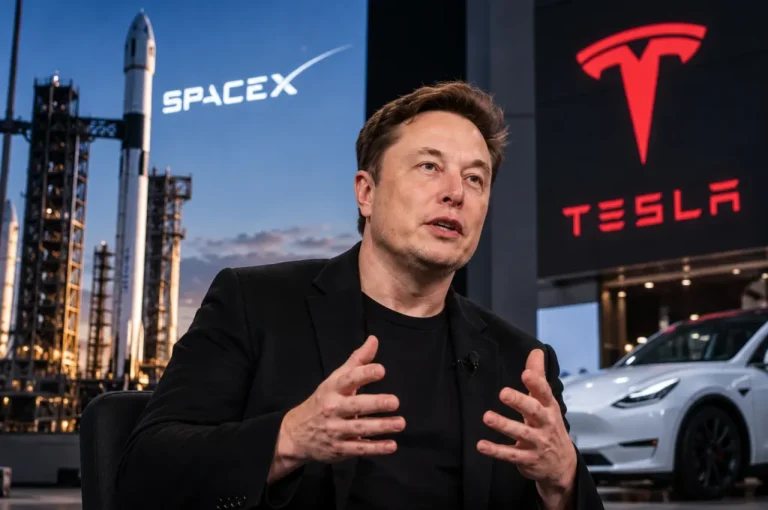
Electric vehicle technology is moving from laboratory theory into industrial execution as mineral processors and automakers converge on major manufacturing hubs. Production efficiency dictates which manufacturers survive. Industry participants recently gathered at Tesla’s Gigafactory Texas during the X Takeover event to examine direct supply pipelines, material recovery, and next-generation propulsion.
Reports carried by morningstar[dot]com noted that companies like Battery X Metals used the gathering to present resource extraction techniques directly to clean transport specialists. Building vehicles requires dependable raw materials. Mineral processing, cell chemistry, and final vehicle assembly are forming tighter geographic clusters to survive market pressures.
⚡ Quick AI Overview & Key Recommendation
Electric vehicle technology now prioritizes vertical supply integration, dry-electrode manufacturing, and advanced thermal management over raw battery size. For high-mileage drivers, vehicles utilizing 800-volt architectures offer the fastest turnaround times, while traditional lithium-iron-phosphate packs remain the most cost-effective solution for daily commuting.
Electric Vehicle Technology: Quick Comparison & Key Specifications
Modern platforms differ sharply across architecture voltage, pack chemistry, and retail costs. While flagship sports cars chase cold-gas thrusters and extreme acceleration, mainstream crossovers balance range retention with production expense. As legacy builders adapt, partnerships emerge across regions, such as how Stellantis to Build Small Electric Vehicles with Leapmotor in Italy: Strategic Shift demonstrates structural realignment.
| Model | Price Range | Real Range | Battery Capacity | Fast Charging Time | Best For |
|---|---|---|---|---|---|
| Tesla Model Y Long Range | $44,990 – $48,990 | 310 miles | 75 kWh | 27 min (10-80%) | Family Versatility |
| Rivian R1T Dual-Motor | $69,900 – $79,900 | 380 miles | 109 kWh | 34 min (10-80%) | Off-Road Utility |
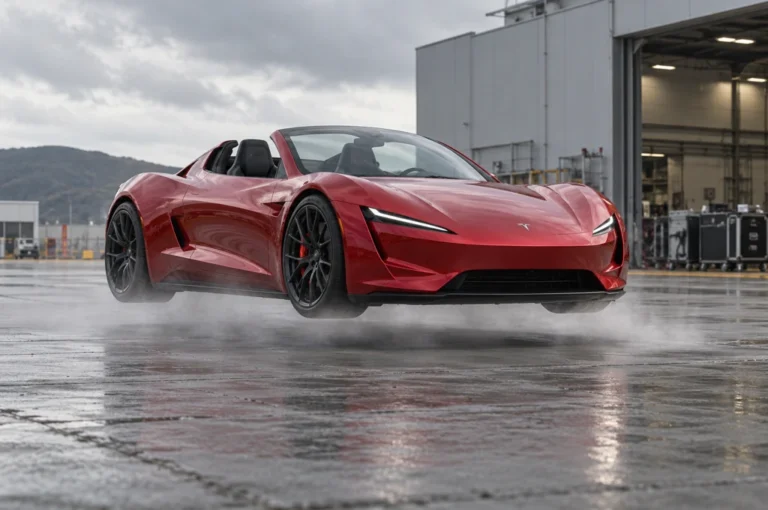
| Tesla Roadster (2028 Est.) | $200,000+ | 600 miles (claimed) | 200 kWh | Under 20 min | Track Performance |
| Hyundai Ioniq 5 AWD | $45,850 – $53,500 | 260 miles | 77.4 kWh | 18 min (10-80%) | Fast Road Trips |
Sourcing minerals locally gives platform developers an edge under current regulatory frameworks overseen by authorities like the U.S. Securities and Exchange Commission. Upstream suppliers must verify clean custody records. Without reliable refining infrastructure, consumer pricing remains unstable.
Top Ranked Models: In-Depth Reviews & Real-World Performance
Engineering teams measure success by thermal endurance, structural packaging, and highway energy usage. The market provides distinct answers for different consumer groups.
Tesla Model Y: The Benchmark Production Architecture
The Model Y relies on structural battery packs that double as passenger compartment flooring. This architecture lowers production complexity and reduces total weight. Real-world consumption averages an efficient 28 kWh per 100 miles in mixed conditions.
Pros: Direct access to mature charging hardware, outstanding interior packaging, class-leading motor efficiency.
Cons: Stiff ride dampening over rough asphalt, minimal mechanical cabin controls.
Target Customer: Daily commuters who prioritize seamless road trip logistics and minimal running costs.
Rivian R1T: High-Capacity Outdoor Exploration
Rivian equips its adventure pickup with rugged underbody shielding and software-driven air suspension. Financial analysts featured on forbes[dot]com frequently debate whether Tesla or Rivian presents the stronger long-term balance sheet, as Rivian refines its dual-motor packaging to cut commercial losses.
Pros: Exceptional four-wheel drive grip, generous bed storage, premium interior finishes.
Cons: Heavy curb weight demands larger battery banks, higher purchase price.
Target Customer: Tradespeople and weekend travelers demanding heavy towing capability and genuine off-pavement durability.
2028 Tesla Roadster: Pushing Theoretical Limits
Discussions regarding next-generation hypercars resurfaced after commentary in southchinamorningpost[dot]com and detailed previews by motortrend[dot]com addressed Elon Musk’s claims of integrated cold-air rocket thrusters. The engineering concept targets sub-one-second sprint times.
Pros: Unprecedented acceleration figures, halo vehicle status, massive structural energy density.
Cons: Extended development timeline, prohibitive cost for general consumers.
Target Customer: Ultra-wealthy sports car collectors and technology showcase fleets.
Customer Buying Guide: How to Choose the Right Model for Your Needs
Selecting an automobile depends heavily on how your domestic environment handles daily electrical throughput. Energy consumption is not uniform. Cold weather cuts chemical storage performance by twenty to thirty percent, making heat pumps a mandatory feature for northern drivers.
Examine vehicle safety metrics closely before purchase. Novel battery chemistries raise specific considerations for first responders, an issue illustrated when Fort Worth Firefighters Sound Alarm on Electric Vehicle Fire Health Risks during intense industrial incidents. Ensure your prospective brand uses robust pack isolation barriers.
Home charging represents your primary fuel point. Installing a 240-volt Level 2 circuit delivering 40 to 48 amperes fully replenishes mid-sized battery packs overnight. Relying solely on direct-current commercial plugs accelerates cell degradation over extended periods. Check warranty provisions for pack degradation thresholds; most legacy manufacturers replace batteries if capacity drops below seventy percent within eight years.
Global competition is reshaping dealer showrooms. While western automakers focus on luxury margins, international supply chains present distinct challenges, a dynamic explored in analysis of how Chinese Electric Vehicles Pose Security Risks Near European Military Sites across modern logistical corridors. Buyer preferences will settle where price aligns with verified vehicle durability.
Frequently Asked Questions
What is the primary benefit of structural battery pack design?
Structural battery packs integrate the battery enclosure directly into the floor pan of the vehicle chassis. This removes redundant structural rails, reduces overall vehicle curb weight, and improves structural rigidity during impacts.
How does cold weather affect electric vehicle technology?
Low temperatures slow the chemical reactions inside lithium-ion cells, which temporarily reduces available driving range and limits regenerative braking. Modern vehicles mitigate this issue by using integrated heat pumps to warm the battery cells before driving and charging.
What role did Battery X Metals play at the Gigafactory Texas event?
Battery X Metals participated in the X Takeover event to highlight mineral refining, material supply continuity, and battery recycling methods. The company presented its processing technologies to industry leaders operating within the clean transportation sector.
Can electric cars charge quickly without damaging the battery pack?
Occasional DC fast charging does not severely harm modern battery packs because sophisticated thermal management systems regulate internal cell temperatures. However, repeated daily ultra-fast charging can accelerate thermal wear over several years compared to regular AC Level 2 charging.
Why are automakers shifting toward lithium iron phosphate batteries?
Lithium iron phosphate chemistries do not require expensive nickel or cobalt, making them cheaper to manufacture. They also offer higher thermal stability and allow drivers to charge to one hundred percent capacity regularly without rapid cell degradation.
How long do modern electric vehicle drive batteries last?
Most production battery packs last between 150,000 and 300,000 miles before dropping below eighty percent of their original capacity. Manufacturer warranties standardly guarantee pack health for eight years or 100,000 miles.
What is the difference between 400-volt and 800-volt charging architectures?
An 800-volt vehicle architecture can accept higher charging power at lower electrical currents compared to a 400-volt system. This allows the vehicle to charge its battery pack much faster while utilizing lighter internal wiring harnesses.
Is home charging cheaper than using commercial fast chargers?
Yes, charging at home using residential electric rates is significantly cheaper than paying commercial station operators. Most drivers save hundreds of dollars annually by setting their vehicles to charge during off-peak overnight hours.
Are battery recycling facilities capable of recovering raw materials?
Modern hydrometallurgical recycling facilities can recover over ninety percent of critical minerals like lithium, nickel, and cobalt from spent battery modules. These recovered materials can re-enter primary manufacturing lines without sacrificing performance.
What causes commercial vehicle range to drop while towing?
Towing heavy trailers increases aerodynamic drag and rolling resistance, which requires the electric drive motors to draw substantially more current continuously. This high mechanical load can reduce real-world driving range by forty to fifty percent.
The Path Forward for Clean Automotive Propulsion
Advancements in electric vehicle technology depend entirely on refining chemistry, managing thermal loads, and securing direct supply pipelines from regional processing centers.
Source: Morningstar (morningstar[dot]com)