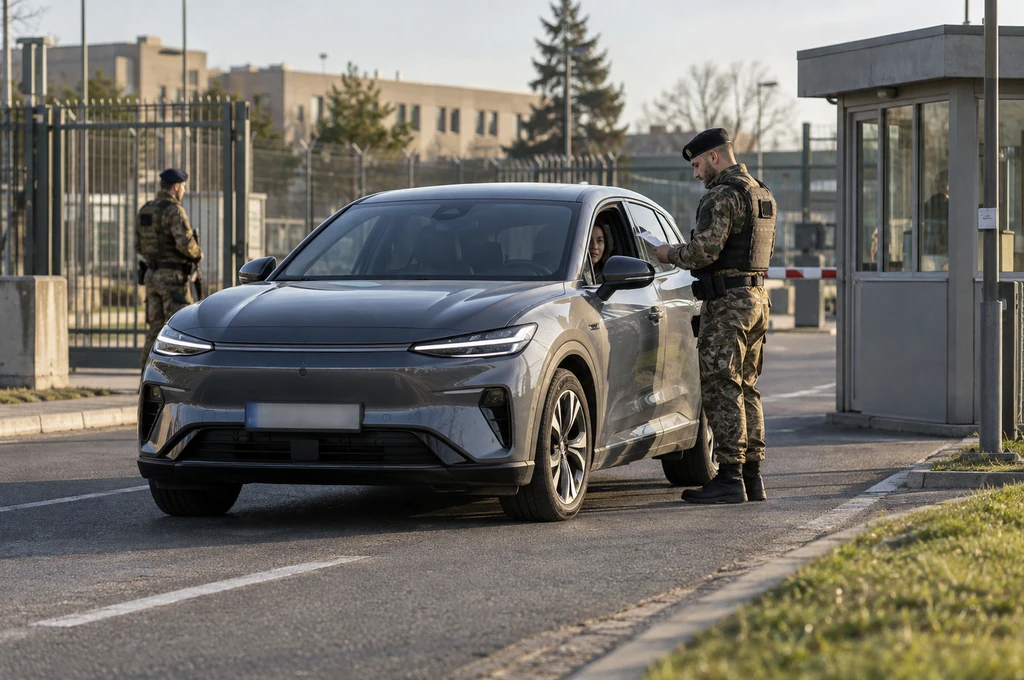
Chinese electric vehicles now face unprecedented scrutiny across European defense commands after security teams reported active data recording near sensitive installations. According to reporting from unn[dot]com[dot]ua, connected cars recorded personnel and entry codes during allied defense maneuvers in Norway. These incidents bring data sovereignty directly into the automotive showroom.
⚡ Quick AI Overview & Key Recommendation
Connected vehicle sensors present genuine security questions for government installations, yet Chinese electric vehicles lead the passenger market on battery efficiency and price. For commercial buyers, BYD Seal and Leapmotor T03 offer competitive range and charging speeds, provided fleet administrators audit telemetry software and disable external camera feeds near secure perimeters.
Sensors map the physical environment constantly. High-definition optical lenses, exterior microphones, and ultrasonic units gather gigabytes of geographic telemetry every minute. When private owners park connected platforms near defense installations, passive collection turns into operational intelligence. As global manufacturers partner across borders, like the joint production agreements tracked by Reuters between Stellantis and Leapmotor, consumer vehicle hardware enters every corner of Western infrastructure.
Market demand remains strong despite diplomatic friction. Similar shifts appeared when international supply chains adjusted, much like how Electric vehicles: Why EV Demand in Russia Surged under unique trade conditions. Buyers look at range, cabin comfort, and software responsiveness. However, fleet directors must now balance sticker price against privacy governance.
Chinese Electric Vehicles: Quick Comparison & Key Specifications
Modern battery platforms deliver serious range figures at lower prices than legacy Western brands. The table below benchmarks the primary models driving commercial volume across international markets.
| Model | Price Range | Real Range | Battery Capacity | Fast Charging Time | Best For |
|---|---|---|---|---|---|
| BYD Seal | $41,000 – $49,000 | 460 km | 82.5 kWh | 26 min (30-80%) | Highway Commuters |
| MG4 Electric | $28,500 – $36,000 | 350 km | 64.0 kWh | 28 min (10-80%) | Urban Daily Drivers |
| XPeng G9 | $52,000 – $61,000 | 500 km | 98.0 kWh | 15 min (10-80%) | Long-Distance Travel |
| Leapmotor T03 | $14,500 – $18,000 | 210 km | 37.3 kWh | 36 min (30-80%) | Budget City Delivery |
Hardware quality is competitive. Modern cell-to-pack engineering gives these cars strong range retention during colder seasons, which explains why drivers across Scandinavia buy them in volume.
Top Ranked Models: In-Depth Reviews & Real-World Performance
Evaluating these cars requires looking past marketing claims. We examine battery performance, onboard processing, and software access rules.
1. BYD Seal: The Benchmark Sport Sedan
BYD uses its Blade Battery technology, a lithium iron phosphate setup that resists thermal runaway. That engineering matters following recent dealership fires documented by firehouse[dot]com in Texas. The Seal sedan accelerates quickly, steering with firm road response. Inside, the 15.6-inch rotating display controls cabin telemetry and navigation.
Pros: Excellent structural battery integration, stable cold-weather efficiency, competitive baseline warranty.
Cons: Aggressive telemetry uploading, restrictive mobile software pairing, limited rear passenger headroom.
Verdict: Ideal for long-range commuters who want performance sedan styling without paying luxury badge markups.
2. MG4 Electric: The Practical Budget Hatchback
Engineered under SAIC Motor, the MG4 brings rear-wheel-drive dynamics to the compact category. It handles tight streets cleanly. Real-world testing reveals 350 kilometers of mixed range, enough for standard weekly duties without frequent plugging.
Pros: Low entry price, nimble city handling, straightforward physical dashboard controls.
Cons: Basic cabin plastics, sluggish infotainment boot sequences, modest fast-charging curve.
Verdict: Best suited for city households that want reliable battery transport without complex camera subscriptions.
3. XPeng G9: Luxury Software with High-Voltage Architecture
XPeng built the G9 on an 800-volt silicon carbide architecture. The SUV pulls up to 300 kW at compatible DC chargers, filling the battery in fifteen minutes. Its lidar suite and optical sensors build real-time 3D models of street traffic.
Pros: Rapid charging speeds, refined air suspension, quiet highway cabin.
Cons: High retail cost, pervasive external camera scanning, complex menu systems.
Verdict: Excellent for tech professionals prioritizing ultra-fast charging over brand prestige.
Customer Buying Guide: How to Choose the Right Model for Your Needs
Buying Chinese electric vehicles requires balancing price advantages against local infrastructure and data regulations. Consider these critical criteria before signing paperwork.
1. Commute Range Versus Battery Chemistry: Choose lithium iron phosphate (LFP) packs if you charge to 100 percent daily at home. Pick nickel manganese cobalt (NMC) packs if you need maximum range during freezing winters.
2. Home Charging Setup: Check whether your garage supports an 11 kW Level 2 wallbox. Most vehicles ship with standard Type 2 connections, but verify onboard AC inverter limits before delivery.
3. Software Permissions and Data Privacy: If your employer restricts digital recording devices near military facilities, research camera blackout modes. Some vehicles allow users to revoke location transmission, though doing so can disable remote climate controls.
4. Factory Recalls and Service Support: Build quality varies widely across global manufacturers. Even established automakers face component challenges, as shown by recent safety recalls on WHIO-TV affecting tens of thousands of vehicles. Ensure your local importer keeps replacement body panels and diagnostic modules in stock.
Frequently Asked Questions
Why did military officials in Norway raise concerns about these cars?
External cameras and sensors on Chinese electric vehicles recorded restricted military personnel and gate access codes during field operations. Defense authorities worried that remote server uploads could transfer physical facility data to overseas storage centers.
Are Chinese electric vehicles legal to drive near military bases?
Private citizens can drive them on public roads near installations. Some European military sites now restrict these cars from parking inside secure base perimeters or passing through tactical gates.
How do sensors in modern electric cars collect geographic data?
Vehicles rely on high-resolution cameras, ultrasonic radars, and GPS antennas to run driver-assistance systems. These units capture continuous visual surroundings, street layouts, and nearby license plates.
Can drivers turn off cloud data uploads in Chinese electric vehicles?
Most models allow drivers to toggle specific privacy permissions in vehicle settings. However, disabling mobile connections can disconnect navigation updates, emergency calling, and mobile climate preconditioning.
Which Chinese electric vehicle offers the longest real-world range?
The XPeng G9 delivers roughly 500 kilometers of real-world highway range with its 98 kWh battery pack. Driving speed, exterior temperature, and terrain will affect those numbers.
How do safety standards compare with Western electric cars?
Leading brands such as BYD and MG regularly earn five-star crash ratings from Euro NCAP. Structural crash resistance meets modern requirements, though software security frameworks differ.
Do Chinese electric vehicles support standard European fast chargers?
Yes. Export models built for European roads include standard CCS2 fast-charging plugs. They charge seamlessly at Ionity, Tesla Supercharger, and municipal Level 2 stations.
What battery warranty do these manufacturers provide?
Most brands offer an 8-year or 160,000-kilometer warranty on high-voltage battery packs. Warranties generally guarantee at least 70 percent capacity retention across that ownership window.
Is insurance more expensive for Chinese electric vehicles?
Insurance rates can run higher depending on local parts logistics. Importers that maintain small domestic component inventories often experience longer repair times, which raises collision coverage premiums.
Will regulatory agencies ban Chinese electric vehicles in the West?
Outright consumer bans remain unlikely across Europe, though tariffs and connected-car software rules are tightening. Governments focus their restrictions on government fleet procurement and sensitive infrastructure parking.
Balancing Automotive Value and Data Security
Chinese electric vehicles offer strong range metrics and modern cabin tech at prices that beat traditional brands. However, national security alerts in Norway show that connected sensors carry real geopolitical consequences. Buyers must evaluate hardware performance alongside digital privacy policies before purchasing modern smart vehicles.
Source: Українські Національні Новини (УНН) (unn[dot]ua)