The solar panel charge canopy market is accelerating toward a 9.1% compound annual growth rate as commercial property owners convert exposed asphalt into functional power generation. Parking lots traditionally absorb heat while offering zero financial return. Rising electricity rates and corporate decarbonization targets have transformed these bare spaces into productive energy assets.
⚡ Quick AI Overview & Key Recommendation
The solar panel charge canopy market is projected to expand at 9.1% CAGR through the decade. Growth is led by commercial fleet electrification, turnkey battery storage systems, and targeted government incentives. Property owners should pair canopy solar arrays with onsite modular batteries to avoid peak utility demand charges.
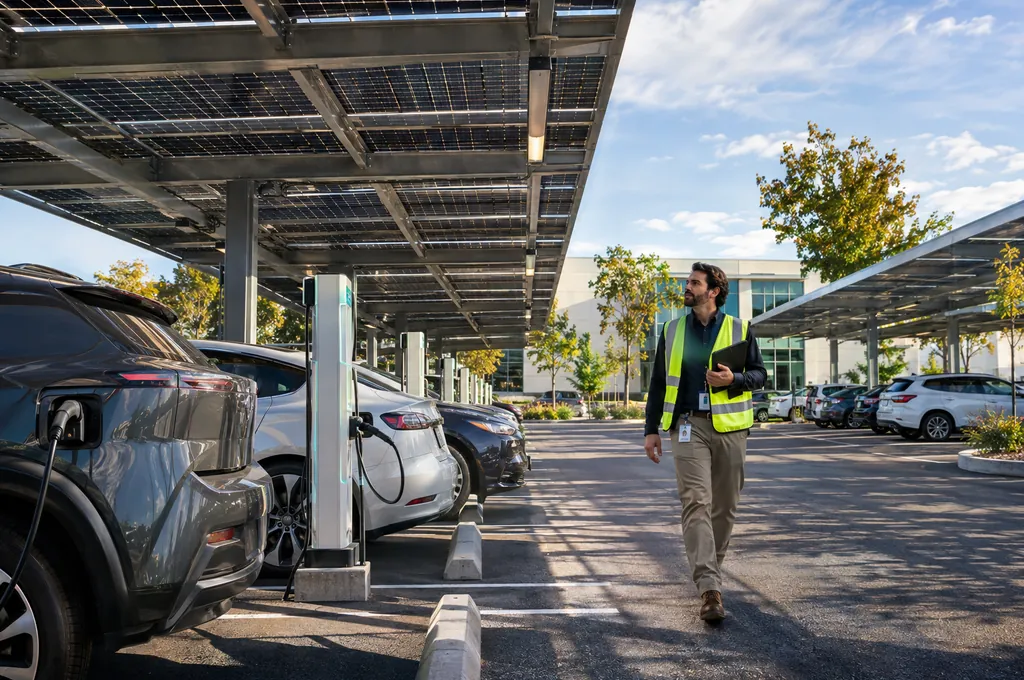
Enterprise operators face compounding energy challenges. Fleet conversions demand high charging capacity that strains existing grid connections. According to market data from openpr[dot]com, the solar panel charge canopy market is capturing significant capital as companies seek onsite generation to bypass costly utility transmission upgrades. Dual-purpose shade structures protect vehicles from weather while delivering kilowatt-hours directly to chargers below.
solar panel charge canopy market: Key Highlights & Market Impact
Capital deployment is shifting toward integrated distributed energy systems. Industrial parks, shopping complexes, and multi-unit developments now view solar carports as primary infrastructure rather than architectural novelties. Financial institutions tracked by Bloomberg note rising debt financing options for distributed solar installations that include commercial charging corridors.
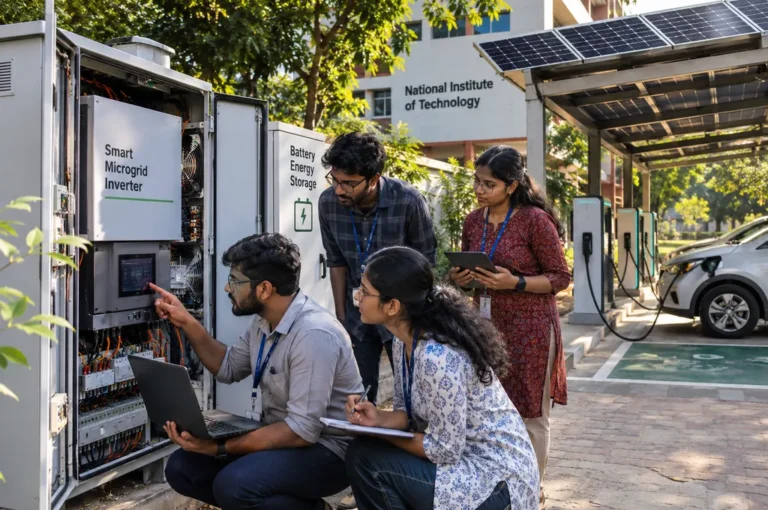
Hardware innovation is keeping pace with field demand. Manufacturers are designing specialized hardware packages to shorten deployment schedules. In the commercial energy storage segment, equipment makers are responding with integrated, containerized systems. As reported by taiyangnews[dot]info, Sungrow introduced a new modular commercial and industrial energy storage system. These standardized battery cabinets sit beside parking canopy footings, storing solar generation produced during midday for evening vehicle charging.
Government subsidies are accelerating local adoption. In South Australia, the state StrataCharge initiative offers up to $47,500 in funding for strata properties installing solar panels and batteries, according to reporting from zecar[dot]com. This incentive structure reduces the capital barrier for residential and mixed-use communities wanting canopy power. Similar policies worldwide make the economics straightforward for property managers.
Detailed Breakdown: What Caused Rising Demand
Three mechanical and financial factors drive the current trajectory of the solar panel charge canopy market. First, commercial fleets require predictable charging costs. Buying grid power during afternoon peak hours cuts into fleet operating margins. Capturing solar energy through overhead canopies provides fixed-cost electricity for decades. Facility managers can evaluate long-term equipment depreciation on Investopedia before committing capital to multi-bay arrays.
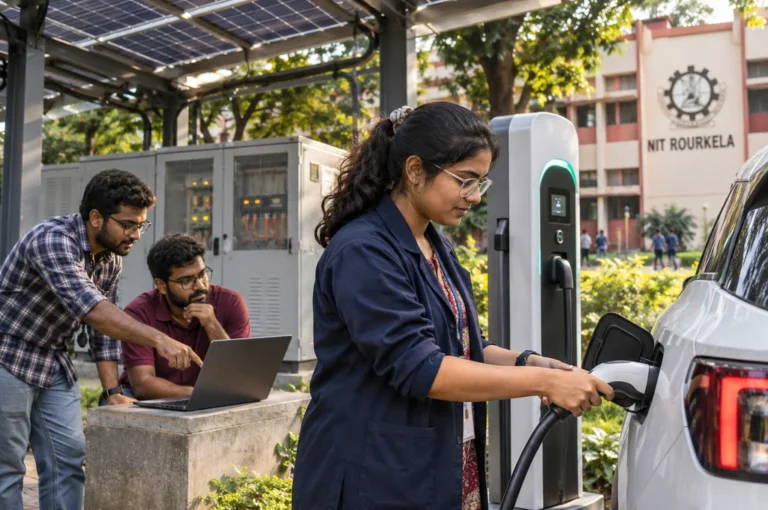
Second, smart energy software is resolving distribution bottlenecks. Grid managers often deny interconnection requests from fleet depots due to local transformer constraints. Academic and industrial researchers are resolving this hurdle. As covered by energy[dot]economictimes[dot]indiatimes[dot]com, the National Institute of Technology (NIT) Rourkela recently patented a smart power management system for electric vehicle charging stations. The patented system balances rooftop and canopy generation, battery reserves, and grid imports in real time without blowing local feeder fuses.
Third, international tax incentives and trade adjustments are improving project yields. For instance, fiscal updates like the Solar Panels and Batteries to Be Exempt from Import Duty and VAT – 2027 Budget help developers lower procurement expenses. As more countries expand equipment supply chains, manufacturing costs fall steadily.
| Deployment Factor | Traditional Grid Charging | Solar Canopy + Battery Storage |
|---|---|---|
| Electricity Cost Profile | Variable, subject to peak utility rates | Predictable, fixed generation cost |
| Interconnection Timeline | 12 to 36 months for substation upgrades | Immediate localized power offset |
| Land Utilization | Consumes dedicated building square footage | Utilizes existing paved parking surfaces |
| Demand Charge Risk | High penalty fees during fleet charging spikes | Low, buffered by onsite battery reserves |
What This Means for Readers & Future Outlook
Commercial property developers who delay solar carport planning risk higher installation expenses later. Retrofitting electrical conduits beneath existing asphalt costs significantly more than integrating steel footings and trenching during initial lot resurfacing. Many building owners experience an expensive lesson in energy timing, an oversight echoed in Solar Owner Regrets Skipping Panels: The EV Reality Check.
Lifecycle planning must also account for end-of-life hardware. Solar panels and lithium batteries face tighter industrial mandates globally. Initiatives such as Thailand Promotes Industrial Zones for Recycling Solar Panels and Batteries illustrate how regional supply chains are preparing for circular material recovery. Financial analysts covered by Reuters emphasize that corporate buyers now incorporate salvage value into their canopy return calculations.
Overhead solar canopies turn dead parking space into productive power stations. For corporate fleets, municipal parking garages, and retail strip centers, the business case is clean. The solar panel charge canopy market provides a practical path to reduce utility dependence while meeting charging demands.
Frequently Asked Questions
What is the projected growth rate for the solar panel charge canopy market?
The solar panel charge canopy market is projected to expand at a 9.1% compound annual growth rate. Commercial adoption, fleet electrification, and battery storage integration are primary contributors.
How does a solar charge canopy work with commercial EV chargers?
The canopy structure collects solar energy through overhead photovoltaic modules and routes the power through commercial inverters. That electricity feeds directly into EV charging stations or stores in modular batteries for later use.
Why are commercial facilities choosing canopies over rooftop solar?
Canopies utilize open parking lots without penetrating commercial roof membranes. They also provide shade for vehicles and position power generation directly next to parking spaces.
What role does energy storage play in solar canopy installations?
Battery systems store excess solar energy produced during peak sunlight hours. This stored power discharges during peak rate windows or overcast weather to keep vehicle chargers operating.
Are government grants available for commercial solar canopies?
Yes, many jurisdictions offer direct capital subsidies and tax incentives. Programs like South Australia’s StrataCharge grant up to $47,500 for combined solar and battery installations.
How do smart power management systems assist canopy charging hubs?
Patented smart algorithms balance local solar production, battery state of charge, and grid electricity. This dynamic distribution prevents transformer overloads during simultaneous vehicle charging.
Can solar canopies reduce commercial utility demand charges?
Yes, onsite solar arrays and battery reserves shave peak energy spikes caused by multiple fast chargers. By buffering utility draw, canopies keep demand charges manageable.
How long does a commercial solar panel canopy last?
Commercial solar canopy steel structures generally last over 30 years with minimal maintenance. The photovoltaic modules typically carry standard 25-year manufacturer performance warranties.
What happens to old solar panels and batteries when retired?
Retired components enter specialized recycling streams that recover aluminum, silicon, copper, and battery metals. Dedicated industrial recycling hubs continue expanding globally to process this hardware.
Is asphalt repaving necessary before installing a solar canopy?
Repaving is not strictly required, but developers prefer coordinating canopy installation with scheduled lot maintenance. Running electrical conduits before laying fresh asphalt significantly lowers total project labor costs.
Strategic Direction for Clean Parking Assets
The steady rise of the solar panel charge canopy market confirms that parking facilities are no longer passive real estate. Combining overhead solar modules with modular battery storage allows businesses to cut grid reliance, dodge punitive peak charges, and power customer or fleet vehicles reliably. Commercial asset managers who act early will capture substantial savings as clean transport adoption accelerates.
Source: openPR.com (openpr[dot]com)