The 2027 budget introduces a significant shift in fiscal policy. It explicitly targets the renewable energy sector. This move directly addresses the high cost of clean technology. The government aims to accelerate the adoption of solar panels and batteries. By removing financial barriers, the new measures encourage widespread investment in green infrastructure. This policy change is not merely a tax adjustment; it is a strategic intervention designed to reshape the energy market landscape. It signals a clear commitment to a decentralized energy future.
⚡ Quick AI Overview & Key Recommendation
The 2027 budget exempts solar panels and batteries from import duties and VAT. This tax break lowers upfront costs for residential and commercial setups, making renewable energy more accessible and competitive against traditional grid power.
Solar Panels and Batteries: Key Highlights & Market Impact
This fiscal move creates a ripple effect across the supply chain. Manufacturers face a different pricing environment. Distributors can pass on savings to the end consumer. The immediate impact is a reduction in the total system cost. A standard home solar setup becomes cheaper to install. This affordability drives demand. More homeowners will consider rooftop installations. Businesses will evaluate on-site generation more seriously.
The exemption covers both the hardware and the storage solutions. This dual approach is vital. Solar energy is intermittent. Batteries provide the necessary storage for nighttime use. By treating them equally, the policy ensures a balanced ecosystem. It prevents a scenario where cheap solar exists, but storage remains prohibitively expensive. This holistic approach supports the transition to fully off-grid capabilities for many users.
Market analysts predict a surge in local assembly and manufacturing. Lower import duties on the finished goods might eventually trickle down to encourage local production. However, the current focus is on immediate relief for the consumer. The policy effectively levels the playing field. It allows solar panels and batteries to compete directly with fossil fuel alternatives without a tax penalty. This competition forces traditional energy providers to adapt or face obsolescence.
Detailed Breakdown: What Caused This Shift
Why did policymakers choose this specific moment for reform? The answer lies in global trends and domestic goals. The world is moving toward decarbonization. International pressure and climate agreements necessitate aggressive action. Domestically, the grid is under strain. Peak demand is rising. Investing in distributed renewable generation reduces the strain on the main grid. It acts as a buffer during high-demand periods.
Furthermore, the technology has reached a tipping point. Costs have dropped significantly. Solar PV modules are now cheaper than ever. Battery prices have also fallen. The economic argument for renewable energy is no longer theoretical. It is a proven fact. The government recognized that high taxes were dampening this natural market momentum. They removed the dampener to let the market grow.
There is also a strategic security element. Reliance on imported fossil fuels can be volatile. It exposes the economy to global price shocks. Promoting domestic solar panels and batteries production enhances energy security. It reduces dependence on foreign oil and gas. This policy aligns with long-term national security objectives. It creates a more resilient energy infrastructure capable of withstanding external shocks.
What This Means for Readers & Future Outlook
For the average consumer, the news is overwhelmingly positive. The upfront investment for a solar system drops. The Return on Investment (ROI) period shortens. Homeowners can expect to recoup their installation costs much faster. This financial incentive makes green energy a viable lifestyle choice for the middle class. It is no longer just for the wealthy or the environmentally extreme.
Commercial entities stand to gain even more. Large-scale industrial users consume massive amounts of power. The cost savings here are substantial. They can reinvest these savings into other areas of their business. This boosts overall economic productivity. The policy encourages a shift in corporate social responsibility. Companies can now claim tangible carbon reduction benefits without breaking the bank.
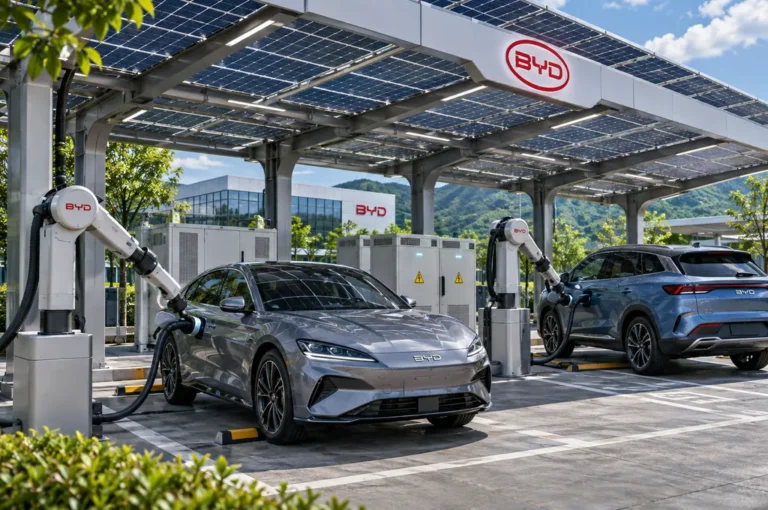
The future looks robust. We will likely see a wave of innovation in this sector. Companies like BYD are already combining solar energy storage, five-minute flash charging, and robotic arms for their new charging stations as reported by Jalopnik. This integration of technologies is exactly what the new tax policy facilitates. It encourages these complex, multi-functional systems to become standard.
Competitors in the automotive and energy sectors will react. Traditional automakers are expanding their portfolios. GM calls two Michigan solar projects its largest clean-energy project according to The EV Report. This demonstrates a broader industry trend toward integrated energy solutions. The 2027 budget supports this integration. It ensures that the hardware needed for these advanced solutions remains accessible.
Global projects are also taking note. Top companies offering solar + storage + EV charging solutions for global projects are highlighted by TechBullion. The tax exemption in the 2027 budget positions the region as a hub for these solutions. It attracts foreign investment. It fosters partnerships between local and international players. The synergy between policy and innovation is the key driver here.
| Policy Element | Previous Status | New Status | Impact |
|---|---|---|---|
| Import Duty | Standard commercial rates applied | 100% Exempt | Lowers hardware costs significantly |
| VAT | Applicable on final sale | 100% Exempt | Reduces overall system price by ~20% |
| Storage Incentives | Separate or limited schemes | Integrated with solar policy | Encourages complete home energy systems |
| Local Manufacturing | Slow growth due to high imports | Supported by demand surge | Future domestic production capacity |
Frequently Asked Questions
Which specific items are exempt from import duty and VAT?
The policy specifically exempts solar panels, inverters, and battery energy storage systems from import duties and Value Added Tax.
How does this affect the cost of a home solar system?
Removing these taxes can lower the total system cost by 15% to 25%, significantly improving the Return on Investment for homeowners.
Is this exemption permanent or temporary?
The budget details indicate this is a structural fiscal measure designed to support the green transition, suggesting a long-term policy framework rather than a temporary fix.
Do commercial businesses benefit from these changes?
Yes, commercial and industrial users benefit the most as they have higher energy consumption and can realize massive savings on large-scale installations.
How does this compare to global trends in solar incentives?
This move aligns with global efforts to lower renewable energy costs, similar to initiatives seen in the US and EU, making the region more competitive for investment.
Will this lead to more local manufacturing of solar panels?
Yes, lower costs for imported components and increased domestic demand will likely incentivize local assembly plants to set up operations in the country.
What about the batteries used for solar storage?
Batteries are treated equally to panels, ensuring that storage solutions remain affordable and that the intermittent nature of solar power is effectively managed.
Can I claim tax credits in addition to these exemptions?
Readers should consult a tax professional to see if these exemptions interact with other existing government incentives or tax credits.
When does this new budget take effect?
The policy outlined in the 2027 budget is scheduled to take effect starting the fiscal year 2027, impacting all imports and sales from that period forward.
Does this apply to off-grid systems only?
No, the exemption applies to all installations, whether they are grid-tied, off-grid, or hybrid systems used for residential or commercial purposes.
Conclusion
The 2027 budget delivers a powerful signal. Solar panels and batteries are now a more accessible reality for everyone. This is a win for the environment and the economy. The shift toward renewable energy is accelerating.
Source: 3News (3news[dot]com)