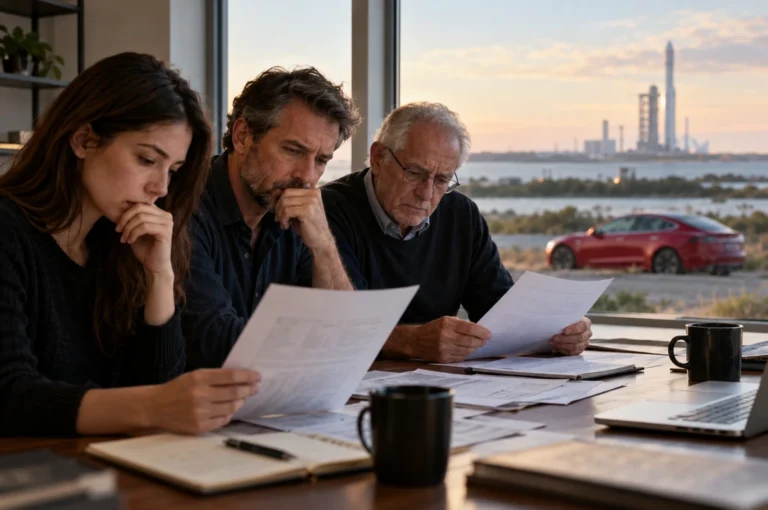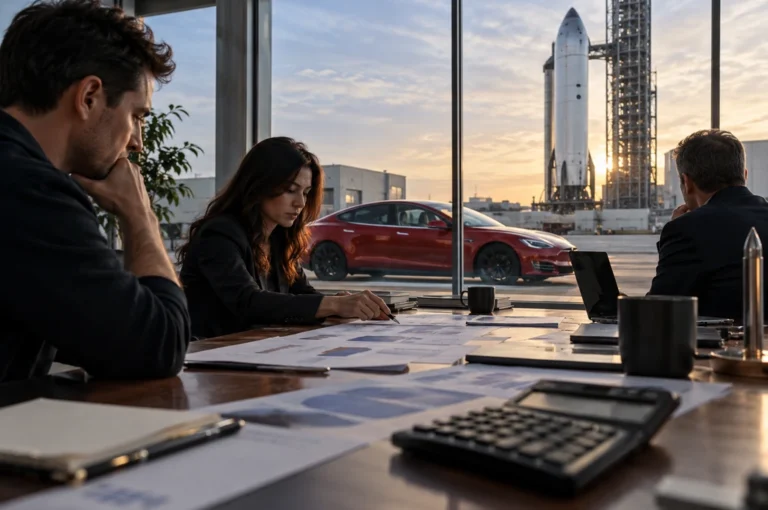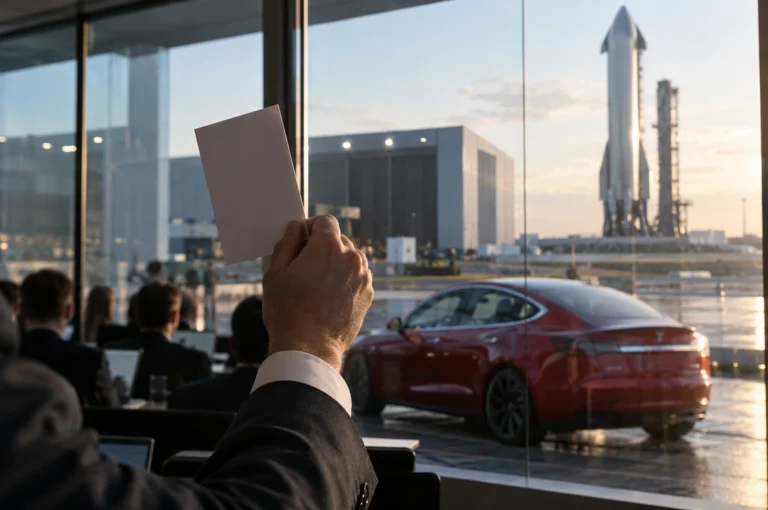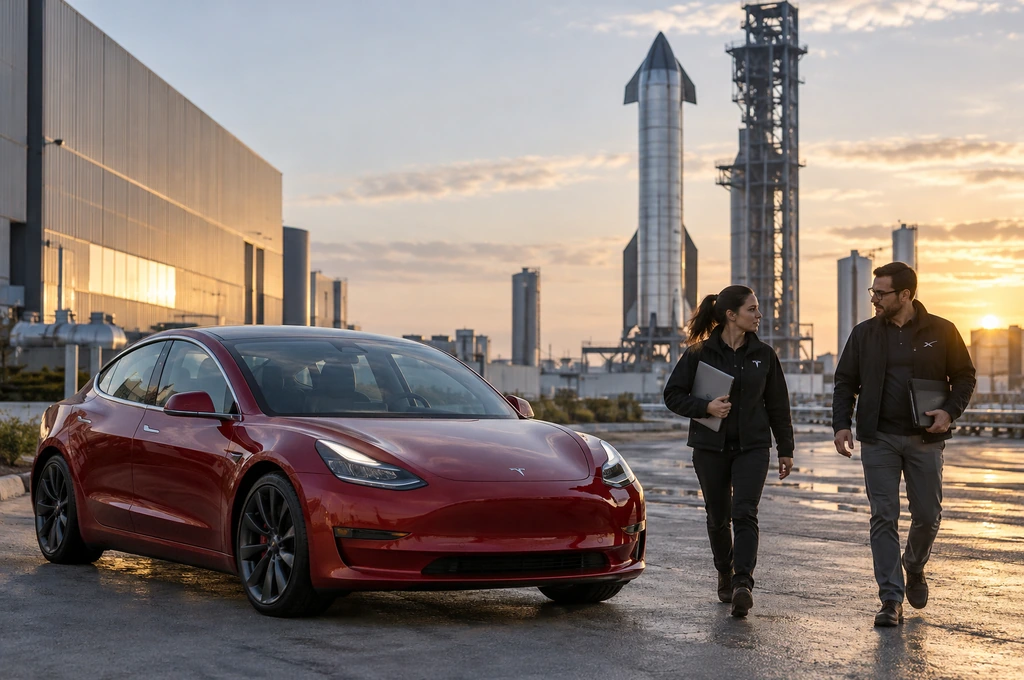
SpaceX and Tesla Merger: Elon Musk has confirmed that independent committees are weighing the potential merger of SpaceX and Tesla. This move signals a significant strategic pivot within the electric vehicle sector. Musk stated that the merger has merit, a statement that immediately grabbed the attention of investors and industry analysts alike. Musk Backs SpaceX-Tesla Merger Talk as EV Governance Risks Surge. The discussions are serious, moving beyond mere speculation to concrete committee formation.
⚡ Quick AI Overview & Key Recommendation
Independent committees from SpaceX and Tesla are actively exploring a potential merger to streamline operations and reduce governance costs. This strategic alignment could accelerate Tesla’s autonomous Cybercab rollout and bolster SpaceX’s commercial infrastructure. Investors should monitor SEC filings for official updates on this evolving corporate structure.
On paper, the combination sounds clean. In reality, it changes the balance of power. Tesla is the dominant player in the EV market. SpaceX leads the commercial space race. Merging these giants creates a unified entity focused on high-tech manufacturing and aerospace engineering. The goal appears to be efficiency and resource sharing. Tesla needs SpaceX’s expertise in propulsion and manufacturing. SpaceX needs Tesla’s volume production capabilities for terrestrial logistics.
SpaceX and Tesla Merger: Head-to-Head Specification Comparison
To understand the scale of this potential union, we must look at the core assets of both entities. The comparison highlights the massive technological overlap between the automotive and aerospace industries.
| Feature | SpaceX (Starship Program) | Tesla (Model S Plaid) |
|---|---|---|
| Primary Focus | Reusable orbital launch vehicle | High-performance electric sedan |
| Propulsion | Raptor engines (Liquid Methane/Oxygen) | Tri-motor electric drive units |
| Energy Density | High (Rocket fuel tanks) | High (Lithium-ion 100 kWh+ packs) |
| Production Scale | Prototypes and test flights | Mass market volume (500k+ units/year) |
| Key Innovation | Full fluid recovery systems | Autopilot and FSD hardware integration |
Key Differences: Real-World Performance, Comfort & Features
The operational differences are stark, yet the engineering philosophies share a DNA of radical innovation. SpaceX builds massive rockets that must survive extreme heat and G-forces. Tesla builds cars that must offer comfort and safety for daily commutes.
SpaceX’s Starship represents the pinnacle of aerospace engineering. It is designed for reusability. This is a concept alien to traditional rocketry. The engineering demands are immense. Every weld and joint must be flawless. The materials are exotic and expensive. Tesla’s vehicles, while also utilizing advanced composites, are built for volume. The Model S Plaid prioritizes acceleration and range over pure raw thrust. However, the software architecture for both is heavily reliant on AI and neural networks.
Charging infrastructure is Tesla’s biggest differentiator. The Supercharger network is a fortress. SpaceX does not need a Supercharger network. It needs reliable fueling depots in remote locations. The merger would theoretically allow SpaceX to utilize Tesla’s charging network for its terrestrial operations. Conversely, Tesla could benefit from SpaceX’s expertise in rapid prototyping and vertical integration.
Final Buying Verdict: Which One Should You Buy?
For the average consumer, the choice remains between the two distinct products. You buy a Tesla for the road experience and the Supercharger network. You invest in SpaceX through equity markets for the potential of interplanetary travel and satellite internet.
If the merger proceeds, the benefits will trickle down to the consumer. Improved manufacturing processes could lower costs for Tesla vehicles. Better battery technology developed for rockets could enhance EV range. The synergy is not just financial; it is technological. The fusion of these two companies could accelerate the timeline for fully autonomous robo-taxis, like the Cybercab. Tesla Roadster First Look: Engineering Reality Behind the Flying Supercar.
Frequently Asked Questions
What is the current status of the SpaceX and Tesla merger talks?
Independent committees from both companies are actively weighing the potential deal. Elon Musk has confirmed that the merger has merit, though no final agreement has been reached.
Why would SpaceX and Tesla merge?
A merger would likely streamline operations, reduce governance costs, and allow for the sharing of manufacturing technologies and AI software between the two entities.
How would this affect Tesla’s Cybercab production?
The merger could accelerate the Cybercab rollout by providing SpaceX’s manufacturing expertise and capital resources to Tesla’s autonomous vehicle division.
Will this deal be approved by regulators?
Regulatory approval is a major hurdle. The scale of the potential merger would likely trigger intense scrutiny from the U.S. Securities and Exchange Commission (SEC) and antitrust bodies.
What are the risks associated with this merger?
Risks include cultural clashes between an aerospace and automotive culture, potential regulatory fines, and the distraction of management from current operational goals.
Does this mean Elon Musk will step down from Tesla?
Not necessarily. The formation of independent committees is a standard governance procedure for such major deals. It aims to ensure the process is fair and unbiased.
How does the Starship program compare to Tesla’s technology?
Starship uses liquid methane and oxygen propulsion, while Tesla uses lithium-ion batteries. However, both rely on advanced software and AI for their respective operations.
Can I buy shares in a merged SpaceX-Tesla company?
No. Currently, SpaceX is a private company, and Tesla is a public company. A merger would likely result in Tesla acquiring SpaceX or a complex restructuring that is not immediately tradable.
What is the ‘Terafab’ mentioned in some financial news?
Terafab refers to a proposed battery manufacturing joint venture. While separate from the merger talks, it is part of the broader ecosystem of Musk’s industrial strategy.
Where can I find more information on Tesla’s autonomous driving updates?
You can find detailed analysis on Tesla’s autonomous roadmap and engineering realities in our dedicated guides on their latest vehicle unveil and engineering concepts.
Conclusion: A New Era for High-Tech Manufacturing
The potential SpaceX and Tesla merger represents more than just a corporate consolidation. It is a bold declaration of intent. It merges the earthly ambition of electric mobility with the cosmic vision of space exploration. Tesla Flying Car Unveil Sparks Industry Debate Over Next Roadster. As committees dig into the details, the world watches closely. The outcome will shape the future of manufacturing for decades to come.
Source: Crypto Briefing (cryptobriefing[dot]com)