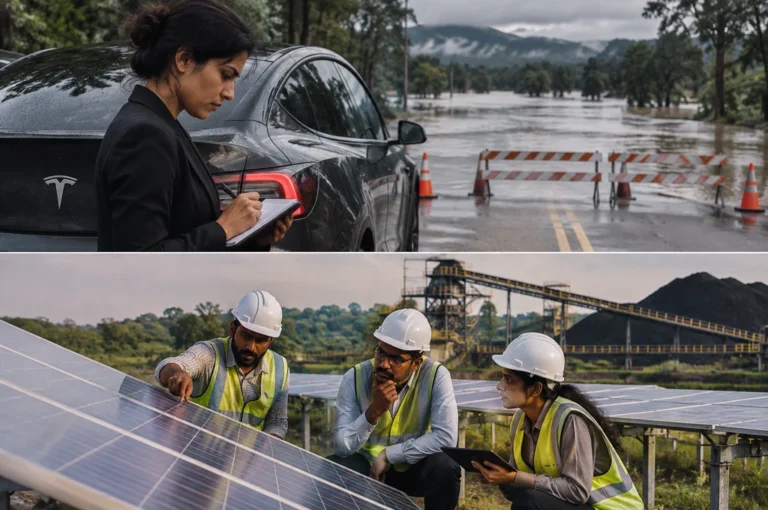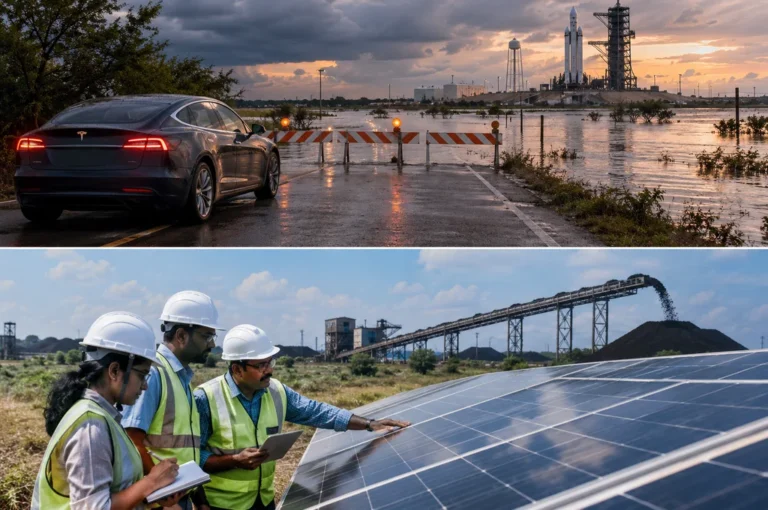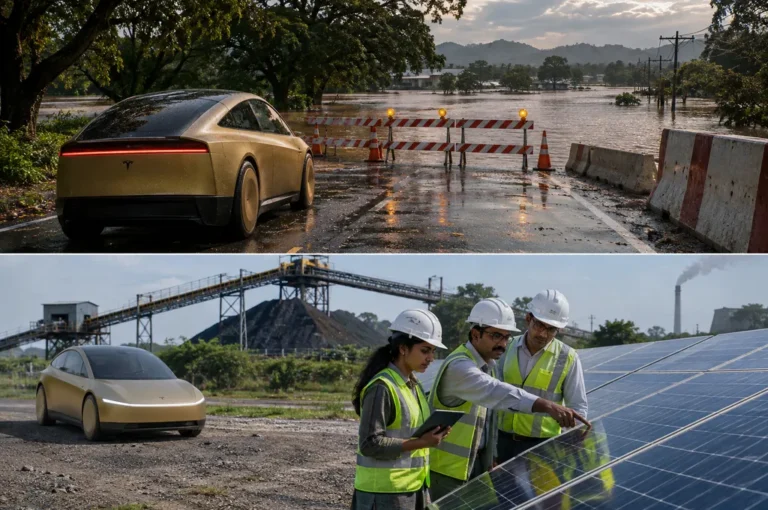

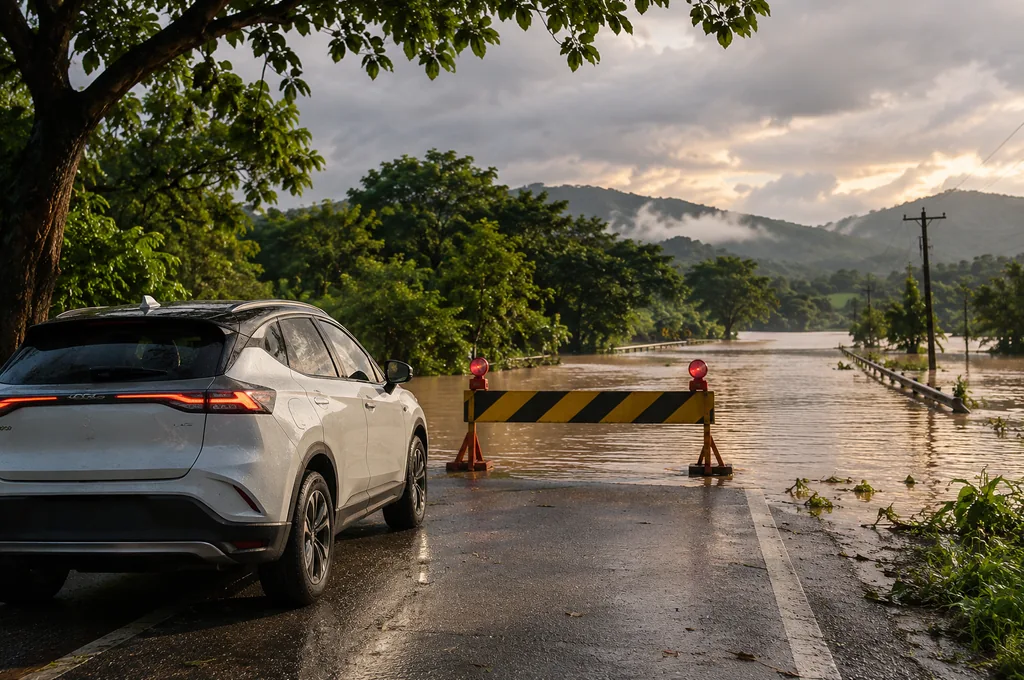
electric vehicle: Attempting to drive EV through flooded roads is a dangerous gamble during severe California storms. Heavy rain regularly inundates low-lying highways, valley roads, and coastal intersections across the state. Many drivers wonder if high-voltage battery enclosures hold up against surging standing water or if they risk electrocution and total vehicle failure.
⚡ Quick AI Overview & Key Recommendation
You should never deliberately drive EV through flooded roads. Modern electric cars feature sealed, IP67-rated battery packs that prevent electrocution, but just six inches of water can stall low-clearance sedans, damage cooling lines, and float light chassis. Turn around immediately if water covers the road markings.
Recent atmospheric river storms covered regional corridors in deep water, prompting coverage from outlets like sacbee[dot]com. Electric powertrains do not possess an air intake, meaning they cannot ingest water into an engine cylinder. That mechanical difference leads some motorists to think their vehicles double as motorboats. That assumption creates massive repair bills and life-threatening roadside strandings.
electric vehicle: drive EV through flooded roads: Head-to-Head Specification Comparison
Different electric models feature drastically different ride heights, underbody protection, and wading limits. Understanding these specifications prevents catastrophic battery submersion when bad weather strikes. Ground clearance determines survival when you encounter a submerged roadway.
| Vehicle Model | Starting Price | Battery Pack | EPA Range | Ground Clearance | Rated Wading Depth |
|---|---|---|---|---|---|
| Tesla Model Y | $44,990 | 75 kWh | 310 miles | 6.6 inches | ~9 inches (unofficial) |
| Rivian R1T | $69,900 | 106 kWh | 270 miles | 14.9 inches | 43.1 inches |
| Tesla Model 3 | $38,990 | 60 kWh | 272 miles | 5.5 inches | ~8 inches (unofficial) |
| Ford F-150 Lightning | $54,995 | 98 kWh | 240 miles | 8.4 inches | 24 inches |
| Hyundai Ioniq 5 | $41,800 | 84 kWh | 303 miles | 6.1 inches | ~8 inches (unofficial) |
While specialist off-road haulers manage substantial water depth, commuter cars sit barely six inches off the pavement. As automakers refine production lines, advancing Electric Vehicle Technology Shifts as Battery Metals Innovators Gather at Gigafactory Texas, physical water clearance remains bound by suspension geometry rather than software updates.
Key Differences: Real-World Performance, Comfort & Features
Electric vehicle architecture eliminates the traditional tailpipe and engine air intake. Gas vehicles draw air into a combustion chamber; suck in water, and the engine bends connecting rods instantly. An electric motor runs completely sealed. This technical reality gives drivers false confidence when they consider whether to drive EV through flooded roads.
High-voltage battery packs sit directly beneath the cabin floor. Manufacturers seal these packs to meet strict IP67 ingress protection standards. According to vehicle filings tracked at U.S. Securities and Exchange Commission, battery modules must withstand temporary immersion in one meter of freshwater for thirty minutes. However, floodwaters carry silt, road salt, automotive chemicals, and hidden debris. Mud can tear through wiring harnesses, low-voltage junction boxes, and battery cooling hoses.
Buoyancy presents another major hazard. Electric vehicles carry heavy battery packs, but their flat, sealed underbellies create trapped air pockets. Water moving at modest speeds can lift a 4,000-pound sedan off the ground. Six inches of rapid water knocks your tires loose from asphalt. Twelve inches carries away most standard sedans, regardless of their battery size. In off-road showdowns like Tesla vs Rivian Halloween Mode: Which Electric Vehicle Wins the Spooky Tech Showdown?, suspension lift adjustments dictate wet-terrain competence far more than acceleration figures.
Saltwater flooding creates long-term fire risks. Fresh rain pooling on valley highways damages electronics, but coastal storm surges inject highly conductive saltwater directly into terminal contacts. Weeks after an immersion event, dried salt bridges can spark sudden thermal runaway events inside battery cells. Financial analysts at Bloomberg note that insurance adjusters routinely write off submerged battery packs as total losses due to inspection costs.
Final Buying Verdict: Which One Should You Buy?
If you regularly commute through flood-prone California transit corridors, your vehicle choice dictates your safety envelope.
Buy a dedicated electric truck or off-road SUV like the Rivian R1T or Ford F-150 Lightning if you live in rural districts with unpaved roads and frequent seasonal flooding. Their air suspensions raise chassis rails well above curb lines. Sealed drive units and factory-tested water wading limits exceeding 24 inches provide genuine security during mandatory evacuations.
Stick with an electric commuter sedan or crossover like the Tesla Model 3, Hyundai Ioniq 5, or Chevrolet Equinox EV if your driving stays within maintained urban zones. These vehicles provide exceptional energy efficiency, lower operating costs, and strong passive safety. Just remember the core rule: if you encounter standing water deeper than your wheel rims, turn around and find an alternate route.
Frequently Asked Questions
Can I drive my EV through standing water on California streets?
You should avoid driving your EV through standing water whenever possible. If water covers the curb or lane markers, turn around. While battery packs are sealed, hidden hazards and floating risks make crossing dangerous.
Will I get electrocuted if water enters my electric car?
No, you will not get electrocuted. Modern electric vehicles feature automated pyro-fuses and ground-fault monitoring systems that isolate high-voltage power lines instantly if moisture penetrates protective barriers.
What is the wading depth of a Tesla Model 3?
Tesla does not publish an official wading depth for the Model 3. Automotive technicians advise against driving in water deeper than the bottom of the wheel hubs, roughly five to six inches.
What should I do if my EV gets stranded in high water?
Turn off the vehicle, unbuckle your seatbelt, and exit toward higher ground immediately if safe. Do not stay inside a floating car, and notify emergency services of your location.
Does insurance cover flood damage to an electric vehicle battery?
Comprehensive auto insurance policies typically cover natural flood damage to your vehicle. However, insurance carriers frequently total submerged EVs because testing internal battery integrity costs more than replacing the vehicle.
Can saltwater cause an EV battery to catch fire later?
Yes, saltwater leaves corrosive salt deposits on electrical contacts inside battery housings. Over days or weeks, these deposits can trigger short circuits and catastrophic thermal runaway fires.
Why are electric cars prone to floating in shallow floods?
Electric vehicles have flat, completely sealed underbody trays designed for aerodynamics. These smooth underbodies trap air bubbles, creating buoyancy that lifts the tires off the pavement in just twelve inches of water.
How do electric trucks compare to sedans in flood conditions?
Electric trucks feature higher ground clearance, larger tires, and dedicated air suspensions. Models like the Rivian R1T can wade through over three feet of water, whereas sedans risk bottoming out in six inches.
Does fast charging work right after driving through heavy rain?
Yes, fast charging ports are weather-resistant and safe to use in standard rain. However, never plug your vehicle into a high-voltage DC charger if the charging port or cable connector has been fully submerged in standing water.
Can public charging stations cause electric shocks during street flooding?
Public charging pedestals feature integrated ground-fault circuit interrupters that cut grid power when water reaches electrical junctions. Avoid handling submerged cables or submerged charging pedestals as a standard safety precaution.
Safe Habits for Wet California Roads
Choosing to drive EV through flooded roads puts your investment and your life at risk. Advanced engineering seals high-voltage systems against routine splashes, but no passenger car handles deep, rushing currents. Respect posted road closures, monitor local weather alerts, and never risk entering standing water.
Source: Sacramento Bee (sacbee[dot]com)