The EV charging roadmap is shifting from a simple network of plugs to a complex, intelligent energy ecosystem. The Electric Vehicle Council (EVC) is spearheading a national strategy that prioritizes the integration of renewable energy sources and the optimization of power distribution grids. This approach aims to solve the dual challenge of increasing vehicle adoption and managing grid stability.
⚡ Quick AI Overview & Key Recommendation
The EVC’s roadmap mandates that 60% of new public chargers connect to renewable sources by 2030. Smart bidirectional charging is essential for grid balancing and reducing household electricity costs by up to 30%.
EV Charging Roadmap: Key Highlights & Market Impact
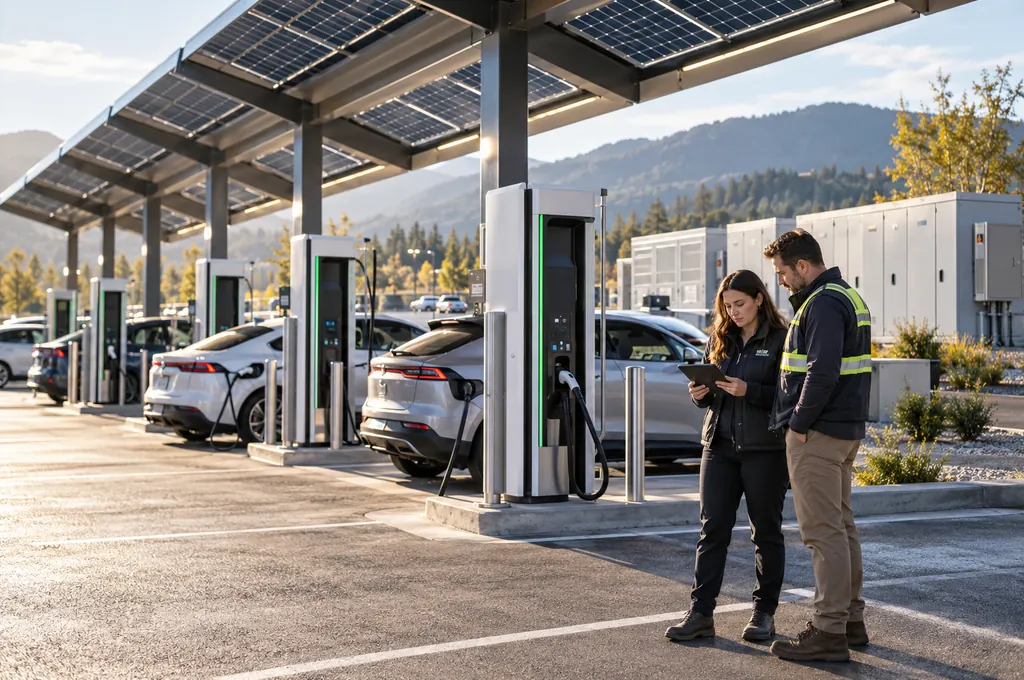
The core of the new strategy lies in decentralization. Historically, EV charging relied on centralized fossil fuel power plants. The EV charging roadmap introduced by the council changes this dynamic by encouraging the use of local renewable energy sources, such as solar and wind, to power charging stations. This shift reduces the carbon footprint of every kilometer driven.
This market impact is significant. It pushes automakers to adapt their vehicle architectures to support smart grid integration. Vehicles are no longer just storage devices; they are becoming mobile energy storage units that can feed power back into the grid during peak hours. This creates a symbiotic relationship between the transportation sector and the energy sector.
Regional Grid Integration Strategy
Energy source distribution is being re-engineered to handle the load. The roadmap outlines specific zones where high-density charging will be prioritized. These zones often overlap with industrial areas that have existing renewable energy infrastructure. This reduces the need for expensive grid upgrades in rural areas.
Detailed Breakdown: What Caused EV Charging Roadmap Shift
Several factors drove this strategic pivot. The primary driver was the increasing volatility of fossil fuel prices. By decoupling transport from oil markets, nations can stabilize their long-term energy costs. Furthermore, advancements in battery technology now allow for faster charging speeds, which places a heavier strain on local transformers. The EV charging roadmap addresses this strain by mandating smart load balancing technologies.
Policy makers also faced mounting pressure to meet international climate commitments. The transition to electric vehicles is a critical component of global decarbonization efforts. The Electric Vehicle Council provided the technical and strategic framework needed to make this transition viable at a national scale.
The Role of Smart Grid Technology
Smart grids act as the nervous system of this new roadmap. They communicate with charging stations to determine the optimal time to charge vehicles. This prevents overloading local power lines. When the grid is full, charging slows down. When there is excess renewable energy, charging speeds up. This automated response is the heart of the new distribution model.
What This Means for Readers & Future Outlook
For the average consumer, the benefits are tangible and immediate. The roadmap ensures that charging stations are reliable and affordable. By integrating with home solar systems, drivers can charge their cars using 100% clean energy. This can significantly reduce the total cost of ownership over the vehicle’s lifetime.
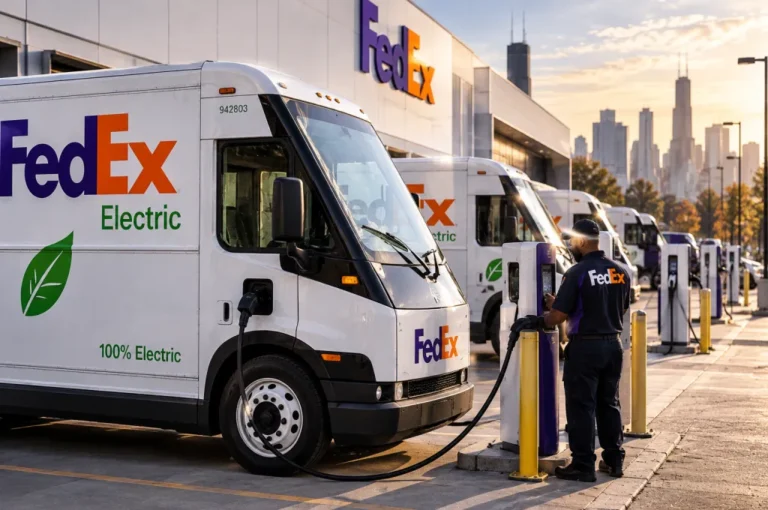
Commercial fleet operators will see the greatest efficiency gains. The ability to charge during off-peak hours and discharge during peak demand creates new revenue streams. This financial incentive drives the adoption of commercial fleets. The future outlook suggests a seamless transition where charging is as simple as plugging in a phone, powered entirely by sustainable energy sources.
| Feature | Traditional Charging | Smart Roadmap Charging |
|---|---|---|
| Energy Source | Fossil Fuels (Grid Mix) | Renewables & Smart Grid |
| Cost | Fixed Rate | Dynamic / Time-Based |
| Grid Load | Constant / Unmanaged | Managed / Bidirectional |
EV Charging Roadmap: Frequently Asked Questions
How does the roadmap affect my home electricity bill?
The roadmap promotes smart charging, which allows you to charge your vehicle when electricity rates are lowest, often at night. This can lower your monthly energy expenses significantly.
What is bidirectional charging?
Bidirectional charging lets your EV send power back to your home or the grid. This acts as a backup power source during outages or helps sell excess energy back to the grid for profit.
Will this roadmap eliminate range anxiety?
While the roadmap focuses on energy distribution, the increased network density and faster charging speeds directly address range anxiety by making charging stations more accessible and reliable.
What role do solar panels play in this strategy?
Solar panels are a key component. The roadmap encourages the installation of solar-powered chargers, allowing for a truly decentralized and clean energy ecosystem.
Is the roadmap applicable to all vehicle types?
Yes, the strategy is designed to be scalable, covering everything from personal passenger cars to heavy-duty commercial trucks and public buses.
How does this help the national grid stability?
By using smart algorithms to stagger charging loads, the roadmap prevents power surges and grid overloads, ensuring stable electricity for homes and businesses.
What is the timeline for full implementation?
The roadmap sets specific milestones for renewable integration and smart grid deployment, with targets being achieved incrementally over the next decade.
Can I still use my current EV charger?
Yes, but the roadmap encourages upgrading to smart chargers that can communicate with your energy provider for optimal cost and efficiency.
How does this impact remote areas?
Smart distribution ensures that charging infrastructure is deployed efficiently where it is needed most, rather than wasting resources on underutilized areas.
What happens if the grid fails?
Smart chargers are designed with backup capabilities, allowing vehicles to maintain power to critical home systems during short-term outages.
Frequently Asked Questions
What is the main goal of the EV charging roadmap?
The primary goal is to integrate renewable energy sources into the charging network and optimize power distribution to ensure grid stability.
How does smart charging benefit the consumer?
Smart charging allows users to take advantage of lower electricity rates during off-peak hours, reducing overall energy costs.
Will this roadmap increase the cost of new EVs?
No, the roadmap focuses on infrastructure and energy distribution, aiming to lower the total cost of ownership over time.
What is the difference between Level 2 and DC fast charging in this context?
Level 2 uses standard home outlets for slower charging, while DC fast charging provides high-power bursts for rapid refueling.
Can I participate in the smart grid as a regular EV owner?
Yes, with the right smart charger equipment, you can participate in demand response programs and manage your energy usage.
How does the roadmap handle peak demand hours?
The system automatically manages charging speeds to prevent overloading the grid during peak usage periods.
Are there incentives for installing solar-powered chargers?
Yes, many regions offer tax credits and rebates for installing renewable energy systems, including solar-powered EV chargers.
What is the role of the Electric Vehicle Council in this?
The Council provides the strategic framework, technical guidelines, and advocacy needed to implement this nationwide strategy.
How long does it take to charge a standard EV on a Level 2 charger?
A standard Level 2 charger can add about 20 to 30 miles of range per hour of charging.
Will this roadmap impact the availability of public charging stations?
Absolutely, the roadmap ensures a rapid expansion of accessible and reliable public charging infrastructure.
Conclusion
The EV charging roadmap marks a pivotal shift toward a sustainable energy future. By prioritizing smart distribution and renewable sources, the nation is building a resilient infrastructure for tomorrow.
Source: Energy Source & Distribution (esdnews[dot]com[dot]au)