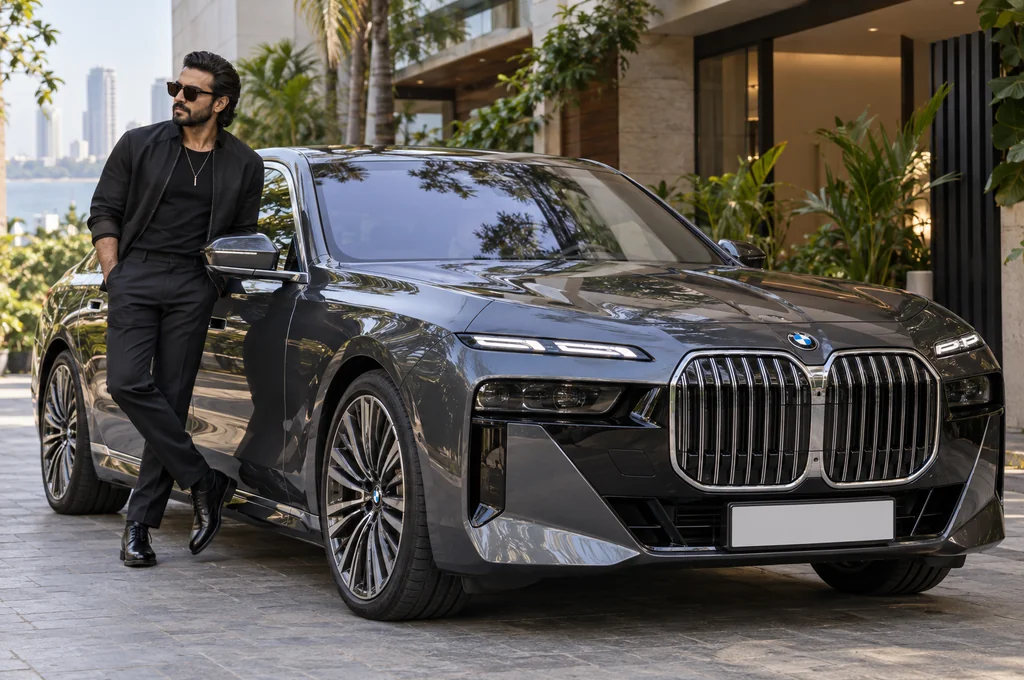
electric car: Actor Ranveer Singh has added a BMW i7 to his garage, officially making it his second electric vehicle. The car, worth over Rs 2 crore, sits in a growing list of high-profile EV purchases in India. This move reflects a clear shift in consumer behavior, where luxury and sustainability now overlap. On paper, the transaction looks like a standard celebrity purchase. In reality, it signals a deeper change in the luxury car market.
The BMW i7 represents the cutting edge of electric luxury. It combines performance with zero emissions, appealing to a demographic that values status as much as technology. Ranveer Singh joins a growing club of electric vehicle owners who are reshaping the narrative around sustainable transport.
⚡ Quick AI Overview & Key Recommendation
Ranveer Singh buys BMW i7 worth over Rs 2 crore, marking his second electric car. This purchase highlights the growing acceptance of luxury EVs in India among high-net-worth individuals.
electric car: Ranveer Singh Buys BMW i7: Key Highlights & Market Impact
Ranveer Singh buys BMW i7, a vehicle that redefines the definition of luxury. The car is not just a mode of transport; it is a statement. It fits perfectly into the lifestyle of a global icon. The decision to add this specific model to his collection comes at a time when the electric vehicle sector is gaining momentum in India.
The Indian market is seeing a steady rise in luxury electric cars. High-net-worth individuals are looking for alternatives to traditional fuel-guzzlers. They want the latest technology, the best comfort, and the lowest carbon footprint. The BMW i7 delivers on all these fronts. It offers a range of over 600 kilometers, ensuring that long-distance travel is not a concern.
This purchase is significant. It shows that electric vehicles are no longer niche products. They are becoming mainstream, especially in the luxury segment. When a celebrity like Ranveer Singh adopts a technology, it often paves the way for wider acceptance. The market reacts to these signals. Dealerships report increased interest in electric luxury models after such announcements.
Detailed Breakdown: What Caused This Shift?
The decision to buy an electric car involves several factors. Cost is one, but it is rarely the primary driver for this price point. The real reasons are performance, technology, and status. The BMW i7 boasts a futuristic cabin with screens that replace traditional dashboards. It features advanced driver-assistance systems and a serene ride quality.
Infrastructure plays a role as well. Charging networks are expanding rapidly across major Indian cities. This reduces range anxiety, a common barrier for potential buyers. Ranveer Singh likely has access to private charging solutions, but the general availability of public chargers makes ownership practical for many.
Government incentives also contribute. Subsidies and tax benefits make electric cars more attractive. They lower the total cost of ownership over time. For someone like Ranveer Singh, who is already wealthy, the financial incentive is secondary. The primary driver is the experience of driving a car that is ahead of its time.
Global trends influence local markets. Automakers are investing billions into electric platforms. The quality of these vehicles has improved drastically. They no longer feel like compromises. They feel like the future. This perception drives demand. Ranveer Singh buys BMW i7 because he wants to be part of that future.
What This Means for Readers & Future Outlook
This trend offers valuable lessons for everyday consumers. It demonstrates that electric luxury is here to stay. Buyers can expect more choices in the coming years. Manufacturers are ramping up production to meet this demand. The competition will drive innovation and lower prices.
For the average buyer, the message is clear. The technology is reliable. The infrastructure is improving. The benefits are tangible. While a Rs 2 crore car might be out of reach for most, the underlying technology will trickle down. More affordable electric vehicles will enter the market, bringing these benefits to a wider audience.
The automotive industry is undergoing a revolution. It is happening faster than many predicted. The days of the internal combustion engine being the only option for luxury are numbered. Ranveer Singh buys BMW i7, and the rest of the world watches, learns, and follows.
Comparison of Key Features
| Feature | BMW i7 | Traditional Luxury Sedan |
|---|---|---|
| Power Source | Electric Motor | Internal Combustion Engine |
| Range | 600+ km | 500-800 km |
| Torque | Instant | Variable (Gearing Dependent) |
| Operating Cost | Low (Electricity) | High (Fuel) |
Frequently Asked Questions
Why did Ranveer Singh buy a BMW i7?
Ranveer Singh buys BMW i7 for its advanced technology, luxury features, and zero-emission performance, marking his shift to a second electric vehicle.
How much does the BMW i7 cost in India?
The BMW i7 mentioned in reports is worth over Rs 2 crore, placing it in the ultra-luxury segment.
Is the BMW i7 suitable for long drives?
Yes, the BMW i7 offers a range of over 600 kilometers, making it suitable for long-distance travel with proper charging stops.
What makes the BMW i7 a luxury electric car?
It features a futuristic cabin with digital displays, advanced driver-assistance systems, and high-end comfort amenities.
Does Ranveer Singh own any other electric cars?
Yes, the report states this purchase adds a second electric car to his existing garage.
Is the electric car market growing in India?
Yes, high-profile purchases like Ranveer Singh’s and improving infrastructure are driving growth in the luxury EV sector.
What is the main advantage of an electric car over a petrol car?
Electric cars offer lower operating costs, instant torque for better acceleration, and zero tailpipe emissions.
How does charging infrastructure affect EV ownership?
Expanding charging networks reduces range anxiety, making electric vehicles more practical for daily and long-distance use.
Are luxury electric cars becoming more popular?
Yes, increasing consumer awareness and government incentives are boosting the sales of premium electric models.
Will electric cars replace petrol cars in the future?
While the transition is gradual, the rapid advancement of technology and changing consumer preferences suggest a significant shift in the coming decades.
Final Thoughts on Ranveer Singh’s EV Choice
Ranveer Singh buys BMW i7, setting a new standard for celebrity car collections. His choice reflects a broader trend toward sustainable luxury. The market is evolving, and electric vehicles are leading the charge. As technology improves and costs decrease, more people will follow this path. The future of driving is electric, and it is arriving faster than expected.
Source: The Indian Express (indianexpress[dot]com)