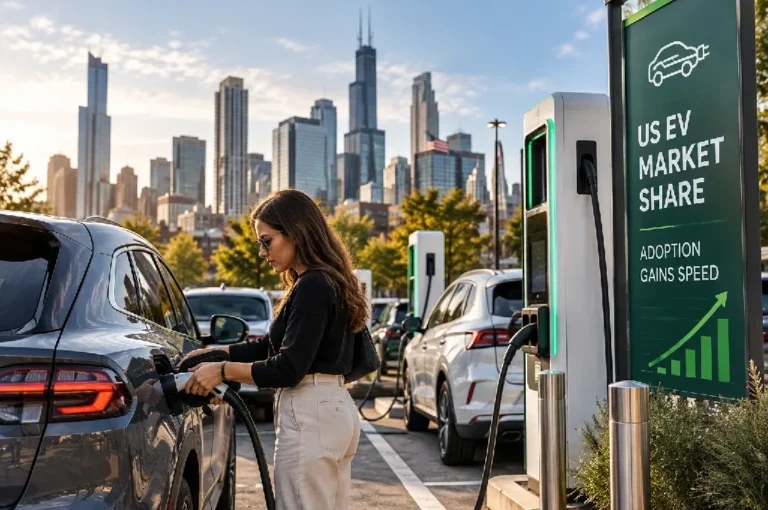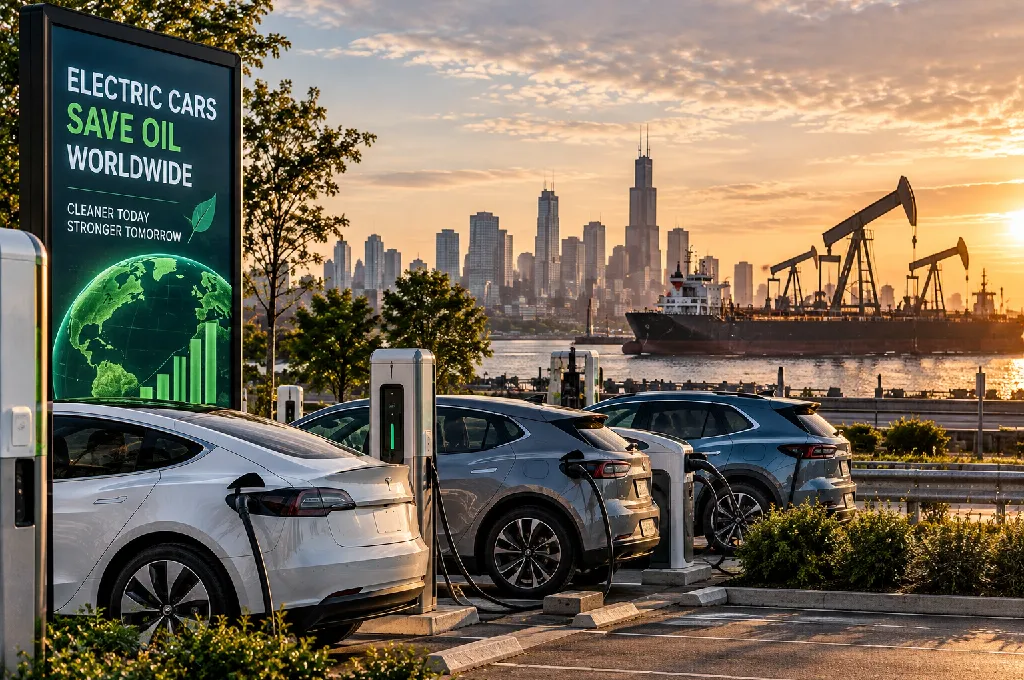
Recent market data confirms that electric cars oil savings reached an estimated $20 billion between March and August across major importing economies. That financial buffer arrived just as maritime tensions around the Strait of Hormuz sparked fresh crude price volatility. While international buyers capitalized on reduced fuel demand, the United States maintained a slower transition pace, exposing its domestic transportation network to global commodity swings.
⚡ Quick AI Overview & Key Recommendation
Global electric cars oil savings prevented $20 billion in fuel expenses in six months, based on findings from think tank Ember. International markets in Europe and Asia drove most of this reduction through aggressive fleet turnover. Buyers seeking insulation from fuel volatility should evaluate high-efficiency platforms, as domestic adoption gains pace across domestic brands.
Electric Cars Oil Savings: Key Highlights & Market Impact
The financial cushion generated by passenger battery fleets is no longer theoretical. Energy think tank Ember calculated that battery passenger vehicles removed millions of barrels of daily consumption from global refiners over the six-month window. Countries with aggressive adoption trajectories collected immediate fiscal benefits. They spent less sovereign capital on imported crude during peak price spikes.
China and European Union members captured the bulk of these gains. Their charging infrastructure networks and consumer purchase incentives accelerated adoption across urban centers. Analysts at Reuters noted that oil refiners face permanent demand destruction in road transport segments. In contrast, the North American vehicle fleet remains heavily weighted toward internal combustion engines. That product mix leaves American drivers directly tied to retail pump price swings.
| Metric | Global Leaders (China & EU) | United States |
|---|---|---|
| Crude Displacement Value | ~$16.2 Billion | ~$3.8 Billion |
| Market Share of New Sales | 25% to 55% | Under 10% |
| Policy Focus | Fleet Electrification & Transit | Mixed Production Targets |
| Primary Energy Exposure | Diversified Power Grids | Direct Refined Gasoline |
Detailed Breakdown: What Caused the Energy Displacement
Three main drivers generated these historic fuel savings. First, commercial fleets and mass-market sedans logged record cumulative mileage on grid power rather than refined petroleum. European registrations showed steady growth as noted when Electric Cars Lead Sales for First Time – Portugal Decoded, proving regional buyers choose electric propulsion for routine commuting. Every kilowatt-hour delivered through municipal chargers replaces imported hydrocarbons dollar for dollar.
Second, automakers broadened their vehicle segments. Premium brands expanded production alongside volume manufacturers. Volvo announced plans to launch three new electric models across critical vehicle tiers, widening choices for mid-size crossover buyers. Meanwhile, United States sales figures improved during the late summer months as Toyota, Rivian, and Subaru expanded their domestic volumes. Yet total American volume still trails foreign adoption curves by substantial margins.
Third, macroeconomic dynamics altered corporate purchasing. Enterprise logistics firms converted delivery routes to electric vans to protect operating margins from crude spikes, an economic principle tracked regularly on Investopedia. Fleet operators recognized that electricity prices offer long-term contracts and predictable overhead. Gasoline cannot provide that level of cost stability. As a result, commercial electric cars oil savings compounded faster than consumer analysts originally estimated.
What This Means for Readers & Future Outlook
American car buyers face a clear practical lesson from these figures. When petroleum markets tighten, vehicle efficiency directly protects household cash flow. The rapid expansion of affordable models makes upgrading sensible, particularly as Cheapest Electric Cars Signal an Aggressive New Shift Across the Automotive Economy. Modern buyers evaluate total cost of ownership rather than dealership sticker prices alone.
Furthermore, residential resilience is expanding through new electrical architectures. Drivers now use vehicle batteries to run household circuits during emergency blackouts, as detailed in Outage-Ready Electric Cars: How Vehicle-to-Home Power Is Redefining Grid Backup. A personal vehicle now acts as both transportation and distributed power storage.
Federal regulators continue tracking these market movements through corporate disclosure updates filed at the U.S. Securities and Exchange Commission. Carmakers that rely too heavily on legacy fuel trucks face higher compliance penalties and inventory imbalances. If domestic automakers fail to match international manufacturing scale, foreign brands will dominate the electric market share. Sustained electric cars oil savings will accrue abroad while domestic drivers pay volatile pump prices.
Frequently Asked Questions
How much money did electric cars save in crude oil?
Global EV fleets displaced an estimated $20 billion in crude oil between March and August. The figures were calculated by energy think tank Ember during a period of high oil volatility.
Why is the United States falling behind in fuel savings?
The United States maintains a lower overall EV market share compared to Europe and China. Slower charging infrastructure rollouts and consumer preference for large fuel-powered trucks limit total displacement.
Which regions gained the most from EV oil displacement?
China and the European Union captured the majority of the savings. Their higher EV adoption rates allowed them to reduce crude imports during maritime supply disruptions.
How do electric cars oil savings affect everyday drivers?
Displacing gasoline lowers overall demand, helping stabilize pump prices for everyone. Drivers who switch to battery power avoid gasoline fuel expenses entirely.
Did US EV sales show any recovery recently?
Yes, third-quarter domestic sales showed positive momentum. Automakers like Rivian, Toyota, and Subaru reported expanded delivery figures across multiple vehicle segments.
What role do corporate fleets play in oil displacement?
Commercial delivery fleets log high daily mileage on fixed routes. Electrifying these vans removes large volumes of diesel and gasoline from daily consumption.
How are automakers like Volvo responding to market demand?
Volvo is preparing to release three new electric vehicles to broaden its catalog. Expanding model choices across price tiers encourages wider consumer adoption.
Does electricity price volatility match crude oil price swings?
No, utility electricity rates are generally regulated and far more stable than crude oil markets. Drivers benefit from predictable monthly charging costs.
Can vehicle-to-home technology improve energy security?
Yes, bidirectional charging allows electric vehicles to power homes during utility failures. This adds domestic energy resilience beyond simple fuel displacement.
Where can investors find verified corporate transition filings?
Investors review audited automaker balance sheets and capital allocation filings through public portals like the U.S. Securities and Exchange Commission.
Closing Assessment on Transportation Electrification
The verified displacement of $20 billion in crude oil proves that electric mobility is an economic shield against energy inflation. While foreign markets cash in on these structural efficiencies, American transport policy must accelerate domestic manufacturing to capture lasting electric cars oil savings at home.
Source: Electrek (electrek[dot]co)