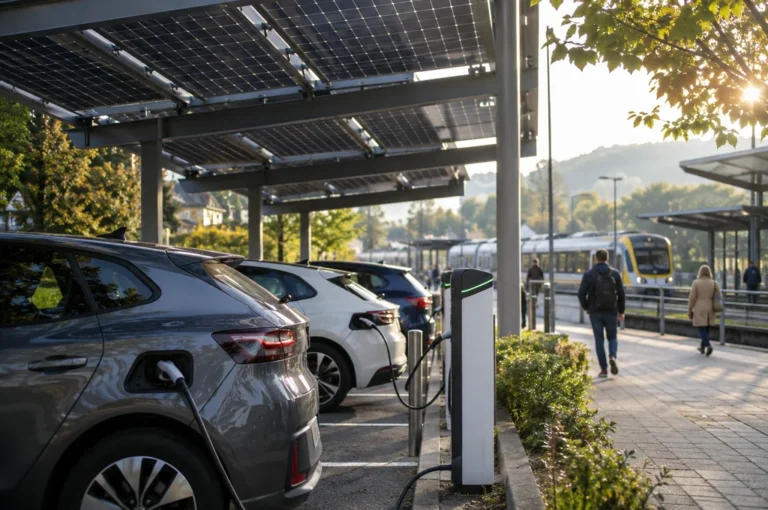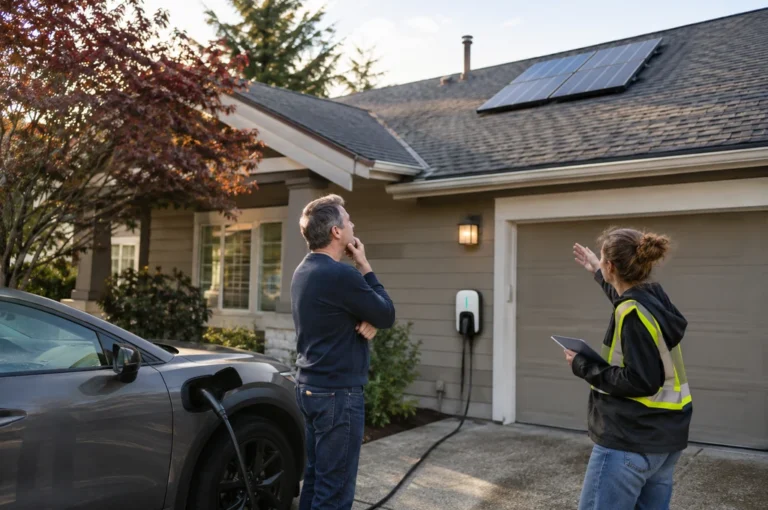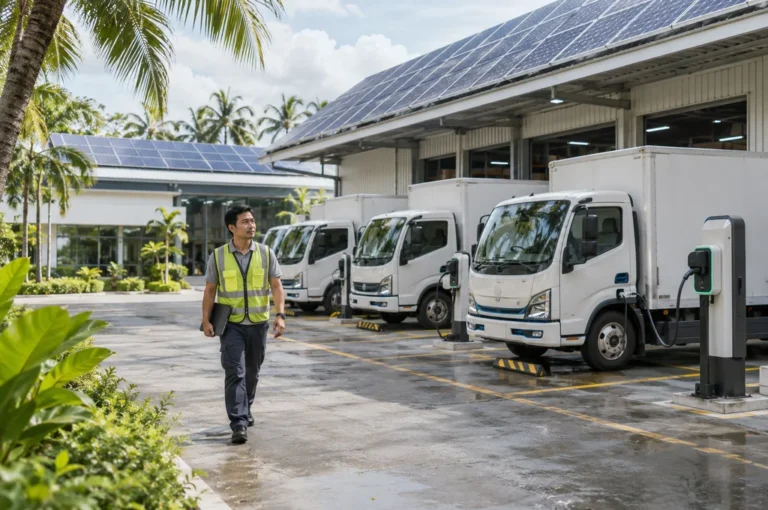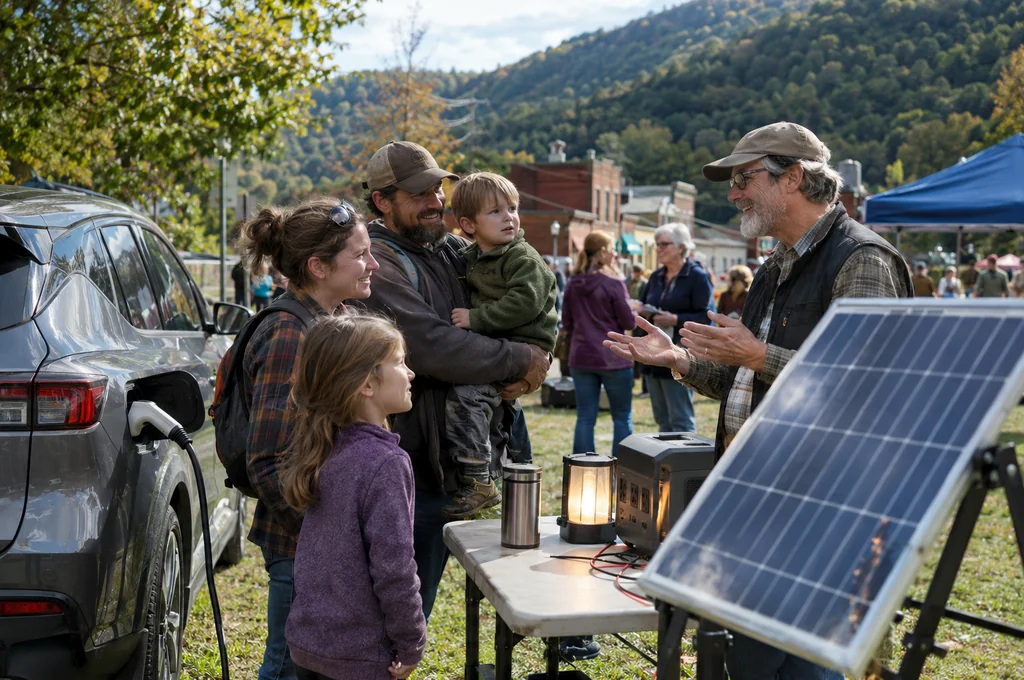
Waynesville Energy Fair brings the future of home energy and electric vehicles to the community. The event highlights the newest advancements in solar technology and EV infrastructure. Local residents can explore practical solutions for reducing their carbon footprint and energy bills.
⚡ Quick AI Overview & Key Recommendation
Waynesville Energy Fair offers a comprehensive showcase of the latest solar panels, home battery storage, and electric vehicle charging solutions. The event provides hands-on demonstrations and expert advice to help homeowners and drivers make informed decisions about their energy future. Attendees should bring a list of their current energy usage and driving habits to get the most accurate personalized recommendations.
solar: Waynesville Energy Fair: Core Evaluation Framework & Decision Matrix
Selecting the right solar and EV setup requires a structured approach. This framework helps you evaluate options based on your specific needs.
| Criteria | Consideration Points | Impact on Decision |
|---|---|---|
| Energy Consumption | Review past utility bills for kWh usage. | Higher usage requires larger solar array. |
| Driving Habits | Calculate monthly miles and charging needs. | Long daily commutes need faster home chargers. |
| Available Space | Roof size, orientation, and shade analysis. | Limited roof space may necessitate ground mounts. |
| Financial Goals | Payback period target and upfront budget. | Short-term payback favors efficiency over raw capacity. |
Real-World Calculations: Running Costs, Range & Government Subsidies
Let’s look at the numbers. Solar energy drastically cuts electricity costs. For an average household, a 5kW system can offset a significant portion of monthly bills. When combined with an electric vehicle, the savings compound.
Home charging is significantly cheaper than public stations. A full charge using solar power costs a fraction of a gasoline equivalent. Government subsidies and tax credits further reduce the initial investment. These incentives make the transition to solar and EVs more accessible.
Experts suggest that a well-sized solar system can fully power an EV for daily commuting. This creates a closed-loop energy system. The cost per mile drops to near zero for the electricity component.
Crucial Factors & What to Check Before You Buy
Before committing to a system, verify specific technical details. Battery warranty terms are vital. They often cover capacity degradation over time. Ensure the warranty covers at least 10 years.
Check the inverter specifications. The inverter converts DC solar power to AC for home use. Its efficiency and lifespan are critical for system performance. Also, investigate local grid interconnection rules. These rules dictate how your solar system connects to the main power grid.
Consider the resale value of your home. Solar panels and EV charging stations often add value. They appeal to environmentally conscious buyers. Ensure the installation meets all local building codes and safety standards.
Frequently Asked Questions
What exactly is the Waynesville Energy Fair?
The Waynesville Energy Fair is an annual community event dedicated to showcasing the latest advancements in solar energy systems, electric vehicle technology, and home energy management solutions.
How can I benefit from attending the Waynesville Energy Fair?
You can benefit by getting personalized advice, comparing different solar panel models and EV chargers, and learning about the latest government incentives available for clean energy adoption.
What types of EV charging technology will be displayed at the fair?
The fair will feature a range of EV chargers, including Level 2 home chargers, DC fast chargers, and solar-integrated charging stations, allowing you to see how different technologies work.
Are there any government subsidies for solar and EVs at the fair?
Yes, experts at the fair will provide up-to-date information on federal and local tax credits, rebates, and subsidies designed to lower the cost of solar installations and electric vehicle purchases.
Can I install solar panels to power my electric vehicle at home?
Absolutely. Many attendees will learn how to design a solar system that can generate enough electricity to fully charge their EV, significantly reducing their overall energy costs.
What should I bring to the Waynesville Energy Fair to get the most out of it?
It is highly recommended to bring your recent utility bills and driving logs. This data allows experts to provide accurate estimates of your potential savings and the right system size for your needs.
How does solar energy storage work with home EV charging?
Solar energy is stored in home batteries. When the sun is shining, excess power charges both the batteries and the EV. If the sun isn’t shining, the system can draw from the grid or use battery power to charge the vehicle.
Are the products shown at the fair available for purchase immediately?
Many of the showcased products and services are available for purchase or installation. Fair organizers often provide direct contact information for vendors to help you get started.
What is the future outlook for solar and EV technology?
The future looks promising with continuous improvements in battery efficiency, solar panel cost reductions, and expanding charging infrastructure. Events like the Waynesville Energy Fair highlight these trends.
Is the Waynesville Energy Fair suitable for beginners in renewable energy?
Yes, the fair is designed to be educational and accessible. There will be workshops and exhibits specifically tailored to help beginners understand the basics of solar power and electric vehicles.
The Waynesville Energy Fair: A Look Ahead
The Waynesville Energy Fair remains a vital event for the community. It empowers residents with knowledge. It accelerates the adoption of clean energy. The future of sustainable living starts here.
Source: The Mountaineer (themountaineer[dot]com)