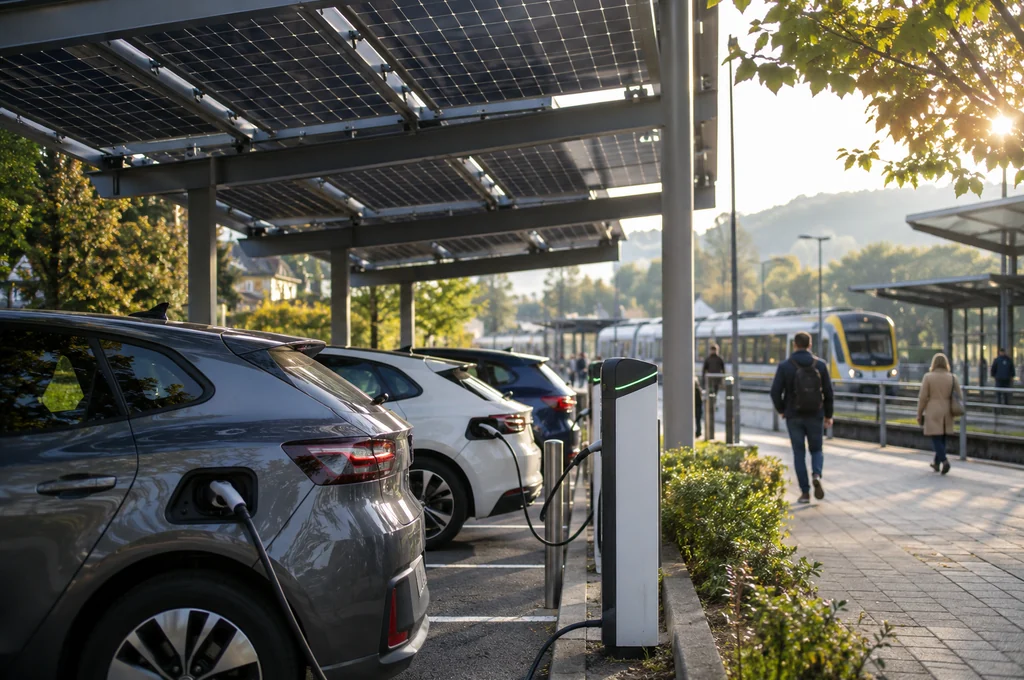
Solar roofs at stations could solve EV charging woes by leveraging vast, underutilized surfaces for renewable energy generation. Public transit hubs represent a massive untapped resource in the fight against climate change. They possess roof space that rarely sees the sun while cars sit idle. Placing solar arrays here turns dormant infrastructure into active power plants. This shift reduces reliance on the aging electrical grid. It also addresses the critical need for accessible charging points in urban centers.
⚡ Quick AI Overview & Key Recommendation
Solar roofs at stations solve EV charging woes by converting idle transit hubs into renewable energy hubs. This infrastructure reduces grid strain, lowers operating costs, and provides reliable off-grid charging, making it a critical solution for urban EV adoption.
The concept is straightforward. Train stations already have the roof. They have the electrical connections. They have the foot traffic. By installing photovoltaic panels, operators can generate clean electricity on-site. This energy can power the station facilities and charge electric buses or commuter cars. It creates a self-sustaining loop. The sun provides the fuel. The station provides the storage and the interface. This model offers a practical path forward for the electric vehicle revolution.
Solar roofs at stations: Core Evaluation Framework & Decision Matrix
Implementing this technology requires a strategic approach. Not every station is built the same. The decision to install solar roofs at stations depends on specific physical and economic factors. Operators must weigh the benefits against the costs. A simple checklist helps evaluate the viability of any potential site.
The following table outlines the core criteria for this evaluation framework:
Strong, reliable grid connection for exporting excess power.Weak grid infrastructure or frequent outages.
| Evaluation Criteria | High Potential Indicator | Low Potential Indicator |
|---|---|---|
| Surface Area Availability | Large, flat, unobstructed roof space. | Small or highly sloped roofs with obstructions. |
| Solar Irradiance Levels | High annual sunshine hours with minimal shading. | Frequent cloud cover or heavy shading from nearby structures. |
| Grid Connectivity | ||
| Usage Density | High foot and vehicle traffic requiring constant power. | Low traffic volume with minimal power needs. |
Operators must also consider the regulatory environment. Zoning laws can dictate the type of solar installations allowed. Permitting processes vary by region. Some municipalities offer incentives for green infrastructure. Others have strict aesthetic guidelines. These factors can significantly impact the project timeline and budget. Understanding the local landscape is just as important as the physical site assessment.
Real-World Calculations: Running Costs, Range & Government Subsidies
The financials tell a compelling story. Solar roofs at stations offer a long-term return on investment. The initial capital expenditure is high. However, the operational costs are virtually zero after installation. There is no fuel cost. Maintenance requirements are minimal. This contrasts sharply with traditional diesel generators.
Grid electricity prices fluctuate. Solar power is a fixed cost asset. This stability protects against market volatility. A station that generates its own power becomes immune to rising utility rates. Over a 20-year lifespan, the savings can be substantial. The math works best when the energy is used on-site. If the station is a net exporter, the revenue streams increase further.
Government subsidies play a vital role in the economics. Many regions offer tax credits for renewable energy projects. Grants can reduce the upfront burden. These incentives accelerate the payback period. They make the technology accessible to public transit agencies with tighter budgets. The Department of Energy frequently highlights such programs in its infrastructure reports. They encourage a shift toward cleaner energy sources.
Charging infrastructure costs also factor into the equation. Installing high-powered chargers requires significant copper and digital hardware. Solar power offsets these costs. It provides a dedicated source of electricity for the chargers. This ensures that charging does not drain the local grid during peak hours. It also prevents the need for expensive grid upgrades. The station becomes an anchor tenant for the renewable energy market.
Crucial Factors & What to Check Before You Buy
Before committing to a solar roof project, due diligence is essential. Technical assessments must be thorough. Structural integrity is the first check. The roof must support the weight of the panels. It must also handle wind loads and snow accumulation. An engineer should inspect the building’s capacity.
Performance warranties are another critical factor. Solar panels degrade over time. A standard warranty covers this degradation. It guarantees a certain level of energy output for 25 years. Buyers should scrutinize these terms. They should also look at the inverters. Inverters convert DC power from the panels to AC power for use. They are often the first component to fail. A warranty on the inverter ensures long-term reliability.
Grid interconnection agreements are non-negotiable. You cannot simply plug the solar system into the wall. You need permission from the utility provider. This process involves technical studies. It determines how the system will interact with the grid. Safety protocols must be established. These protocols prevent power backflow that could injure workers. They ensure compliance with national electrical codes.
Community engagement is often overlooked. Solar roofs at stations are visible assets. They become part of the local urban fabric. Residents may have concerns about noise or visual impact. Early communication builds trust. It addresses concerns proactively. It ensures the project gains public support. This social license to operate is vital for long-term success.
Conclusion
Solar roofs at stations solve EV charging woes by creating a decentralized, resilient energy network. This approach transforms public transit into a cornerstone of the green economy.
Frequently Asked Questions
How does solar power at train stations help the electrical grid?
Solar power at train stations reduces the load on the electrical grid by generating clean energy on-site. This lowers the demand for fossil-fuel-based power and prevents the need for expensive grid upgrades during peak usage times.
What are the main benefits of installing solar panels on transit hubs?
The main benefits include lower operational costs, reduced carbon emissions, and the ability to charge electric buses and vehicles directly. It also provides a reliable power source during grid outages.
Is it cost-effective to put solar roofs on older train stations?
It can be cost-effective if the roof structure is sound and has sufficient surface area. Older stations may require structural reinforcements, which adds to the initial cost, but long-term savings on energy bills often offset this.
Can solar roofs at stations power electric buses?
Yes, the energy generated can be stored in batteries or used immediately to charge electric buses. This makes stations ideal hubs for fleet management and sustainable public transit.
What happens to excess solar power generated at the station?
Excess solar power can be fed back into the main electrical grid for credit or used to power station facilities. Smart grid systems can manage this flow to ensure maximum efficiency.
Are there government incentives for solar projects at public transit sites?
Many governments offer tax credits, grants, and rebates for renewable energy projects. These incentives help offset the initial installation costs for transit agencies.
What maintenance is required for a solar roof at a train station?
Maintenance is minimal and typically involves regular cleaning to remove dust and debris. Technicians also inspect the panels and inverters annually to ensure they are functioning correctly.
How long does it take to install solar panels on a station roof?
Installation time varies based on the size of the project and the roof structure. It can take anywhere from a few months to a year to complete the design, permitting, and installation process.
Do solar roofs at stations work during cloudy weather?
Solar panels still generate electricity on cloudy days, though the output is reduced compared to sunny days. This makes them a reliable energy source even in less-than-ideal weather conditions.
Can solar roofs at stations be combined with battery storage?
Yes, combining solar panels with battery storage is highly recommended. It allows the station to store excess energy generated during the day for use at night or during peak demand periods.
Conclusion
Solar roofs at stations solve EV charging woes by creating a decentralized, resilient energy network. This approach transforms public transit into a cornerstone of the green economy.
Source: The Age (theage[dot]com[dot]au)