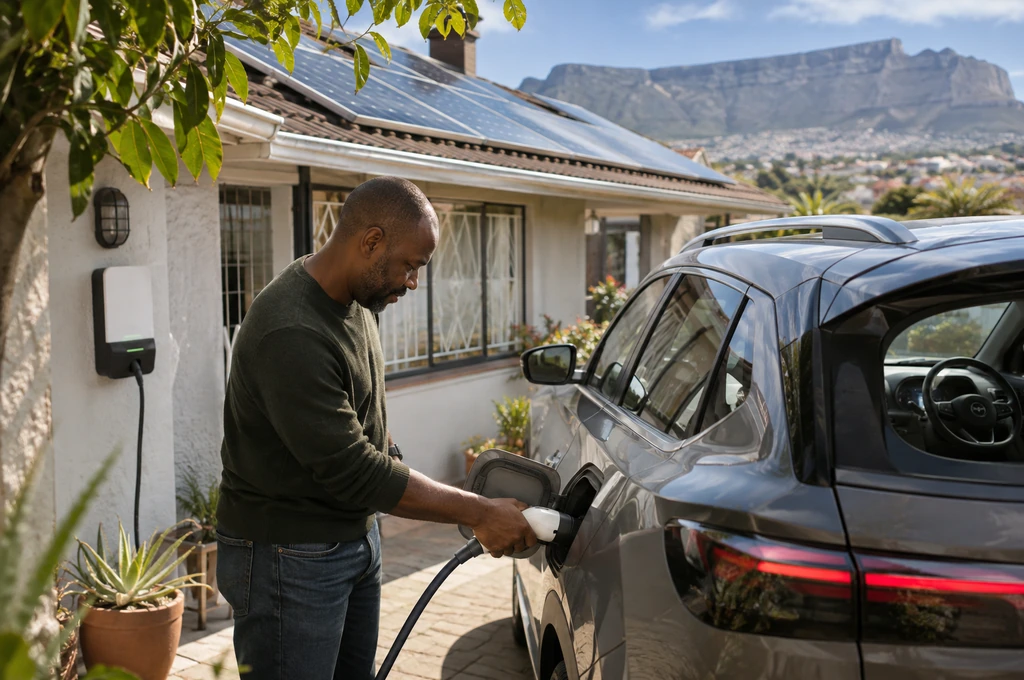
Solar and grid electricity power a South African electric SUV for 249 miles on just $5. The Cool Down reported this remarkable efficiency, showing how local energy sources drastically reduce running costs. This achievement highlights the economic viability of electric vehicles when paired with home solar systems. India’s Solar Parks: Lessons from China’s Low-Carbon Experiment offers a broader perspective on regional energy strategies.
⚡ Quick AI Overview & Key Recommendation
A South African driver achieved 249 miles of range by using solar and grid electricity for only $5. This proves that charging an electric SUV with renewable energy is extremely affordable and practical.
Solar and Grid Electricity: Core Evaluation Framework & Decision Matrix
Adopting solar and grid electricity for your vehicle requires a clear strategy. You must weigh the initial investment against long-term savings. The following matrix breaks down the critical factors for decision-making.
| Evaluation Factor | High Impact (Priority) | Medium Impact (Consider) | Low Impact (Monitor) |
|---|---|---|---|
| System Cost | Initial solar setup investment | Grid electricity rate fluctuations | Minor maintenance fees |
| Efficiency | EV battery efficiency | Solar panel conversion rates | Energy loss in transmission |
| Cost per Mile | Price of solar and grid electricity | Tax incentives or rebates | Depreciation of equipment |
| Reliability | Backup power availability | Grid stability in your area | Solar panel weather dependency |
This framework helps you assess if solar and grid electricity are the right choice for your lifestyle. It moves beyond simple enthusiasm and focuses on data-driven choices.
Real-World Calculations: Running Costs, Range & Government Subsidies
The math behind the story is compelling. A standard electric SUV consumes energy efficiently when charged from renewable sources. In South Africa, the cost of electricity is relatively low compared to many other nations. When you add solar generation, the price per kilowatt-hour drops significantly. SolarEdge Cuts The Cord On Australia: The New Energy Shift demonstrates similar trends in other markets where energy independence is valued.
Consider the calculation: 249 miles of driving requires a specific amount of energy. If that energy comes from the grid, the cost might be higher. However, utilizing solar panels covers a large portion of this demand. The remaining balance drawn from the grid is minimal. The total bill for a full charge cycle amounted to $5. This figure represents a fraction of what a comparable gasoline vehicle would consume for the same distance. Solar Roofs at Train Stations: Solving EV Charging Woes explores infrastructure solutions that complement this home-based approach.
Government subsidies play a role in this equation. Many regions offer tax credits for installing solar systems. These incentives lower the barrier to entry. They make the transition to solar and grid electricity more accessible to the average consumer. The combination of low energy rates and government support creates a perfect storm for affordability.
Crucial Factors & What to Check Before You Buy
Purchasing an electric vehicle with the intent to use solar and grid electricity involves several checks. You must ensure your home can handle the electrical load. Solar panels require a robust inverter system. You also need to verify the charging capabilities of your specific SUV model. Not all vehicles charge at the same speed.
Check the battery warranty carefully. It should cover degradation over time. Ensure you have a clear understanding of the after-sales service network. You want to know where to go if issues arise. Finally, research the resale value of the specific model you are considering. Reuters often covers market trends that can inform these decisions. Bloomberg provides financial data that helps predict long-term asset value.
Frequently Asked Questions
How much does it cost to charge an electric SUV with solar and grid electricity?
Charging an electric SUV with solar and grid electricity can cost as little as $5 for 249 miles, depending on your local electricity rates and solar production.
Is it cheaper to charge an EV with solar panels or the grid?
It is generally much cheaper to charge with solar panels because you generate your own free energy, but the grid provides a backup when sunlight is unavailable.
What is the best electric SUV for solar charging?
The best SUV depends on battery size and efficiency, but any modern electric SUV with a home charging port can be optimized for solar charging.
Do I need a special charger for my electric SUV?
Most electric SUVs come with a home charging cable, but a Level 2 home charger is recommended for faster and more convenient charging.
How many solar panels are needed to charge an electric SUV?
The number of panels varies based on your energy consumption and local sunlight, but a typical residential setup might require 5 to 10 panels.
Can I use solar and grid electricity simultaneously?
Yes, you can use solar power first and draw from the grid if your solar production does not meet your charging needs.
Are there government subsidies for solar EV charging?
Many governments offer tax credits and rebates for solar installations, which can significantly offset the initial cost of setting up a solar charging system.
What happens if I run out of solar power while driving?
You can plug into the grid to top up your battery, ensuring you always have a power source regardless of solar production.
Does charging with solar increase my home insurance?
It may slightly increase your insurance premiums, but the savings on energy costs usually outweigh this small additional expense.
How long does it take to charge an electric SUV?
Charging time varies by vehicle and charger type, but using a Level 2 home charger can fully charge an electric SUV in 6 to 12 hours.
Conclusion: The Future of Solar and Grid Electricity
The story of the South African driver proves that solar and grid electricity can make electric SUV ownership incredibly efficient. This model is replicable in other sunny regions, offering a path to lower costs and cleaner air. Investopedia discusses the financial mechanics behind these energy shifts, and SEC filings often track the growth of these technologies. CoinMarketCap even notes how energy markets are evolving. The integration of solar and grid electricity is not just a trend; it is a practical solution for modern transportation.
Source: The Cool Down (thecooldown[dot]com)