solar: Recent findings from the Atlanta Regional Commission indicate that rapid population growth across the American South is putting immense strain on regional clean energy development. While southern states enjoy long hours of clear skies, turning raw sunshine into cheap electricity requires more than simply clearing land. Transmission hurdles, policy battles, and utility inertia continue to complicate the transition across Georgia and neighboring markets.
⚡ Quick AI Overview & Key Recommendation
The Atlanta Regional Commission reveals that rapid metropolitan expansion across the Sun Belt outpaces electrical grid modernization. Unlocking true solar potential requires pairing rooftop arrays with aggressive distributed transmission upgrades, sensible net metering rules, and residential battery storage to prevent distribution overloads.
Planners often treat the southern tier of the United States as an effortless promised land for clean power. The narrative sounds simple. Sun pours down over expansive suburbs, creating the ideal environment for massive photovoltaic farms and suburban rooftop arrays. Yet the data analyzed by the Atlanta Regional Commission paints a far more nuanced picture of growth bottlenecks and grid constraints.
solar: Atlanta Regional Commission: Key Highlights & Market Impact
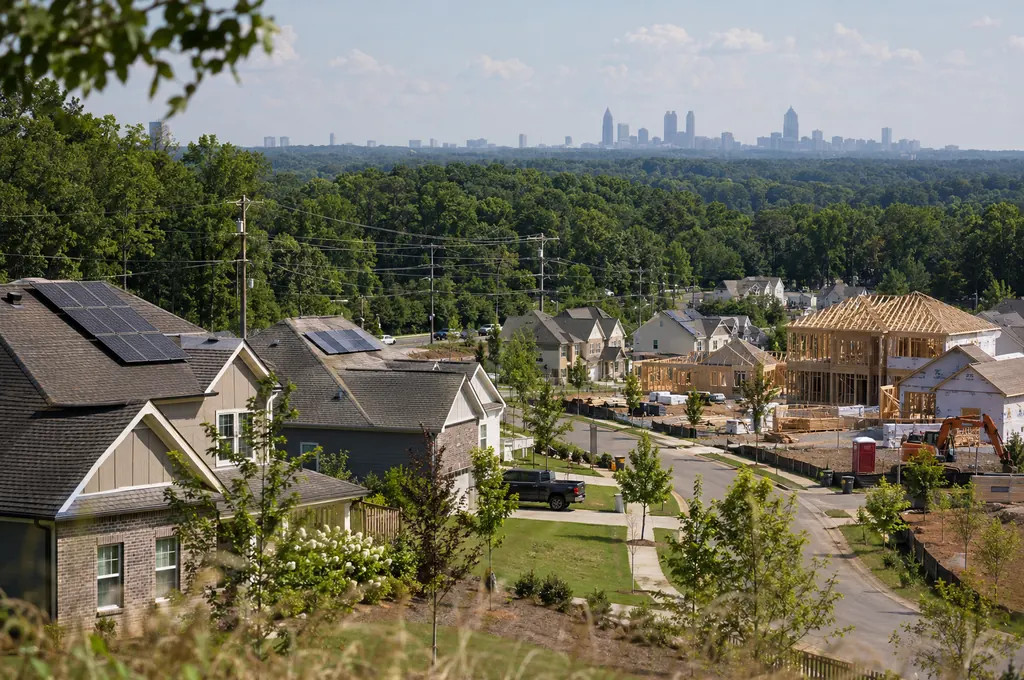
Data from the Atlanta Regional Commission shows that rapid metro migration creates an immediate demand for round-the-clock power that intermittent generation struggles to balance without deep storage reserves. Utility planners face soaring summer peak loads as air conditioning units run constantly across expanding subdivisions. When cities expand outward instead of upward, distributing power across vast suburban sprawl becomes an expensive engineering challenge.
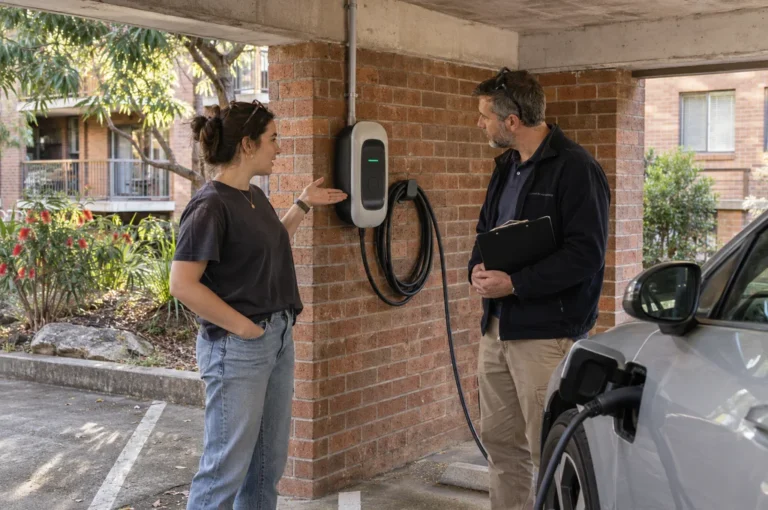
Regional planners must now calculate how to support electric mobility alongside home generation. Innovative installations, such as Solar Roofs at Train Stations: Solving EV Charging Woes, show that commercial transit hubs can ease pressure on municipal circuits. But across the wider Sun Belt, municipal infrastructure often lags behind population influxes.
International examples highlight how quickly decentralized setups can scale when rules align. Reports by pv magazine Australia (pvmagazine-australia[dot]com) show rooftop solar installations year-on-year to October jumped 41 percent across Australian suburbs. That surge proves home arrays can transform urban power supply when paired with friendly grid-interconnection standards. In contrast, several southern American utilities continue to limit compensation for residential solar exports, slowing private investment.
Detailed Breakdown: What Caused Sun Belt Grid Friction
Several underlying factors explain why Sun Belt solar adoption faces resistance despite favorable weather patterns. The primary friction stems from legacy utility models and physical transmission delays. Financial markets, tracked closely by Bloomberg, show capital pouring into utility-scale solar projects, but connecting those distant solar fields to growing city centers takes years of regulatory approvals.
Consider the core differences in regional clean power adoption:
| Region / Focus | Growth Driver | Primary Bottleneck | Deployment Velocity |
|---|---|---|---|
| Sun Belt Metros | Rapid population migration | Transmission lines & net metering limits | Moderate |
| Australia Residential | High retail electricity rates | Local circuit voltage controls | Very High (up 41% YoY) |
| Appalachian Communities | Community fairs & resilience | Financing & installer access | Emerging |
Market shifts also impact how equipment flows across global supply chains. As explored in SolarEdge Cuts The Cord On Australia: The New Energy Shift, inverter manufacturers constantly adjust distribution channels based on local tariffs, certification shifts, and regional profitability. When equipment suppliers pivot away from specific territories, local installation costs can stay stubbornly high.
Public education initiatives are working to bridge these knowledge gaps. In North Carolina, the Waynesville Energy Fair showcases the latest clean energy technology to help homeowners integrate panels with domestic heat pumps. Grassroots events strip away confusion. They show consumers how distributed panels work directly with home batteries, reducing dependence on centralized generation.
What This Means for Readers & Future Outlook
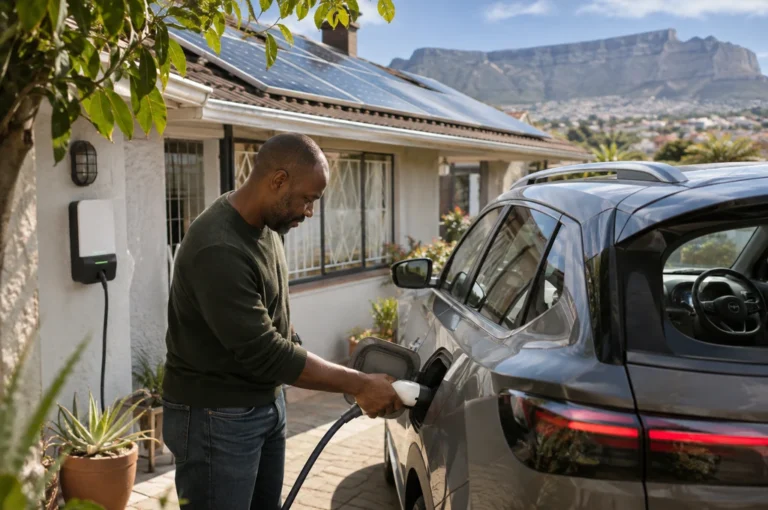
Homeowners and fleet operators must understand that solar power offers massive operating savings if managed intelligently. As reported by The Cool Down (thecooldown[dot]com), a South African driver powered an electric SUV for 249 miles using just 5 dollars worth of solar and grid electricity. That real-world demonstration reveals the enormous financial edge of coupling self-generated sunshine with everyday driving.
To capture similar efficiencies, property owners must evaluate roof orientation, local net-billing tariffs, and storage capacity. Capital markets monitored by Reuters show that utility developers will continue adding large photovoltaic arrays across the South, but transmission backlogs mean wholesale electricity costs will not fall overnight. Examining utility models overseas, such as those analyzed in India’s Solar Parks: Lessons from China’s Low-Carbon Experiment, shows that centralized megaprojects require synchronized grid investments to deliver long-term affordability.
Frequently Asked Questions
What is the main finding regarding solar growth from regional planning studies?
The Atlanta Regional Commission highlights that population growth across the South creates massive electricity demand that outpaces current grid upgrades. Favorable sunlight alone cannot solve peak energy strains without modern transmission lines.
Why is the Sun Belt facing solar infrastructure bottlenecks?
Rapid suburban growth spreads power demand across wide service territories. Delays in transmission permitting, restrictive net metering policies, and aging distribution circuits limit how fast clean generation connects to the grid.
How fast is rooftop solar growing in comparable international markets?
Rooftop installations climbed 41 percent year-on-year to October in Australia. That growth illustrates the speed at which distributed home panels can scale under favorable interconnection policies.
Can residential solar power an electric vehicle affordably?
Yes. Documented cases demonstrate that drivers can cover nearly 250 miles on approximately 5 dollars worth of mixed solar and off-peak grid electricity, delivering massive fuel savings over gasoline.
What role do local community fairs play in solar adoption?
Events like the Waynesville Energy Fair introduce residents to practical home energy technologies. They allow homeowners to evaluate solar panels, storage batteries, and vehicle chargers before buying.
How does population migration impact Southern power grids?
Inbound migration drives heavy residential air conditioning demand during summer afternoons. Utilities must balance these high peaks with flexible generation and battery reserves to maintain system stability.
Are utility-scale solar farms sufficient on their own?
No, utility-scale arrays require long-distance transmission lines to carry power to urban load centers. Without substantial distributed rooftop power and storage, transmission bottlenecks delay the clean transition.
How do equipment supply shifts affect solar costs?
When major equipment makers adjust their presence in regional markets, hardware availability fluctuates. These supply changes directly influence residential installation prices and consumer payback periods.
What should homeowners consider before installing solar?
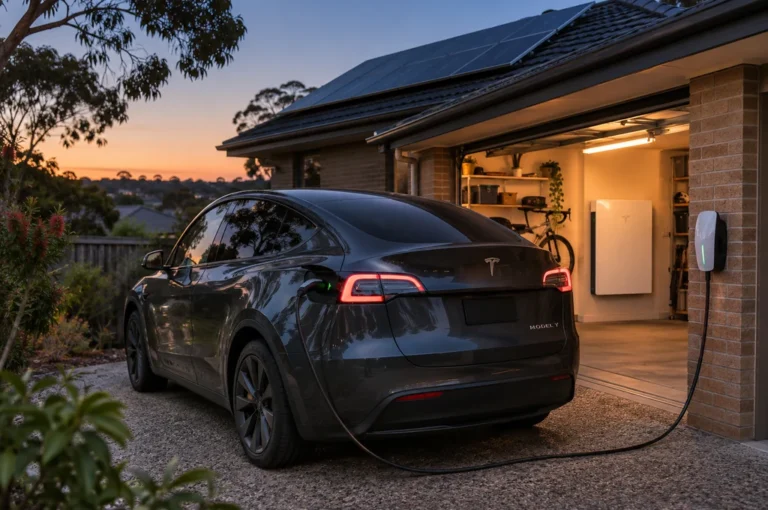
Homeowners should examine local net metering tariffs, battery storage needs, and roof exposure. Pairing solar panels with home energy storage yields the best protection against peak utility rates.
Will solar adoption reduce utility bills immediately?
Solar arrays cut grid consumption right away, but net savings depend on utility rate structures. Homes with battery systems capture maximum financial value by avoiding peak pricing periods.
A Realistic Path Forward for Regional Clean Energy
Regional growth across the South presents incredible opportunities, but as reports from the Atlanta Regional Commission demonstrate, sunshine alone is not an energy policy. Meeting rising power demands requires transparent net metering, flexible distributed storage, and aggressive electrical modernization.
Source: Atlanta Regional Commission (atlantaregional[dot]org)