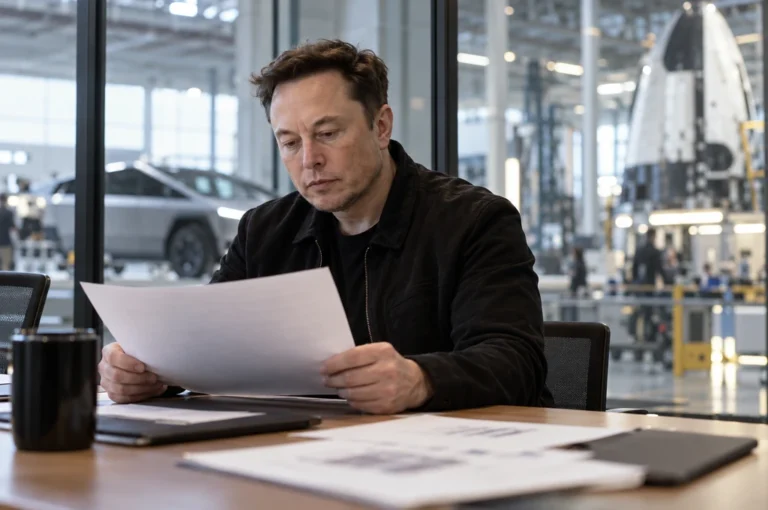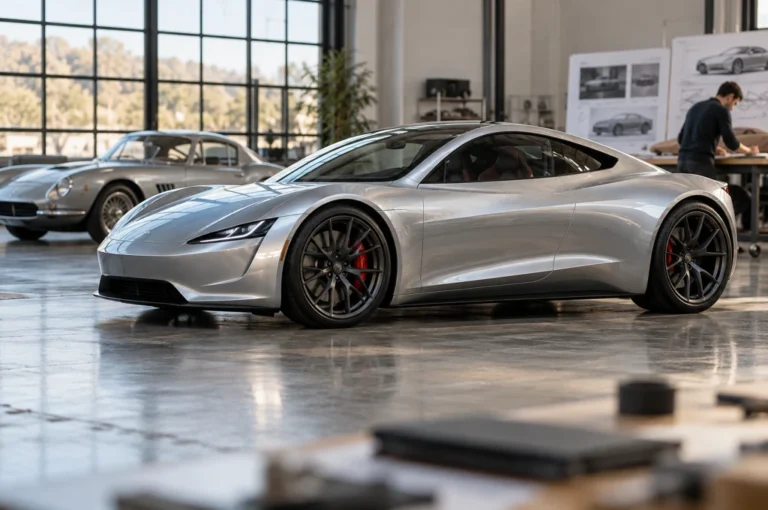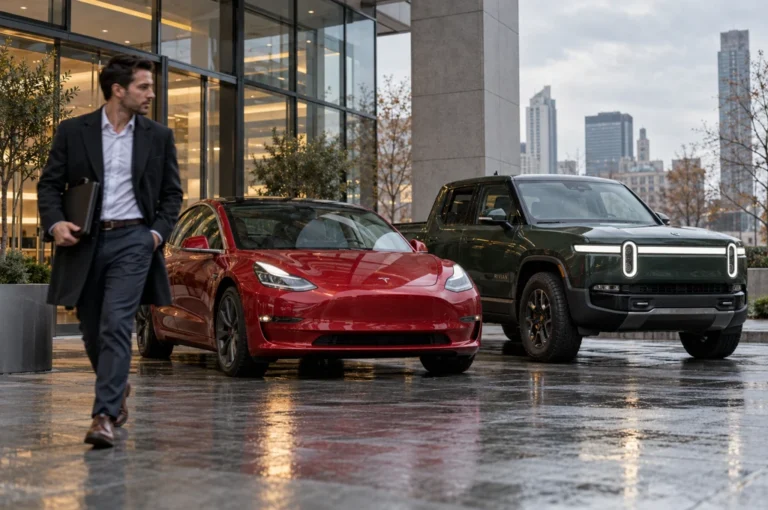
Wall Street speculation regarding a potential Tesla SpaceX merger has intensified as institutional investors prepare for the upcoming annual general meeting. Automotive analysts and retail buyers alike are studying how corporate consolidation could alter production schedules, battery research, and autonomous transit programs.
⚡ Quick AI Overview & Key Recommendation
The proposed Tesla SpaceX merger combines commercial aerospace manufacturing with high-volume electric vehicle assembly. Buyers should expect immediate ripple effects in vehicle build quality, proprietary metallurgy, and satellite-linked navigation. If you need a reliable electric commuter today, current production models like the Model Y remain the most practical purchase choice.
Behind the corporate speculation lies an operational reality. Tesla manages factory tooling and electric drivetrains. SpaceX controls orbital communications, specialized alloy foundries, and rapid prototyping laboratories. Reports circulating via tech-insider[dot]org indicate that talks surrounding this corporate combination have accelerated before corporate governance votes take place. This development follows extensive scrutiny documented in Tesla Earnings Preview: Grounded Automotive Margins Confront Flying Car Ambitions, where hardware margins clashed with long-term technology roadmaps.
Tesla SpaceX Merger: Quick Comparison & Key Specifications
Corporate restructuring always raises practical questions for drivers. How do these engineering shifts affect real-world vehicles in the showroom? Shared manufacturing facilities could bring aerospace-grade tolerances to consumer cars. Here is how the primary vehicle lineup stands today across vital performance metrics.
| Model | Price Range | Real Range | Battery Capacity | Fast Charging Time | Best For |
|---|---|---|---|---|---|
| Tesla Model 3 Long Range | $42,490 – $47,490 | 341 miles | 79.7 kWh | 15 min to 175 miles | Daily Commuters |
| Tesla Model Y Long Range | $44,990 – $49,990 | 310 miles | 81.0 kWh | 15 min to 160 miles | Families & Utility |
| Tesla Cybertruck Cyberbeast | $99,990 – $119,990 | 301 miles | 123.0 kWh | 20 min to 135 miles | Heavy Hauling & Tech Early Adopters |
| Tesla Cybercab Prototype | Target under $30,000 | Est. 200 miles | Est. 45 kWh | Inductive Wireless Charging | Autonomous Urban Fleets |
Top Ranked Models: In-Depth Reviews & Real-World Performance
Engineering crossover between rockets and passenger vehicles is already visible in Tesla factories. The Cybertruck utilizes cold-rolled stainless steel developed directly alongside orbital spacecraft hulls. The broader vehicle portfolio illustrates where production strengths lie right now.
1. Tesla Model Y: The Practical Fleet Standard
The Model Y remains the corporate profit engine. It features 310 miles of real-world EPA range and charges up to 250 kW on third-generation Superchargers. The cabin prioritizes minimal design and software integration. Pros include vast cargo volume and seamless charging access. Cons include a firm suspension and cabin wind noise at highway speeds. It suits families seeking dependable electric utility.
2. Tesla Cybertruck: The Space-Grade Metallurgy Pioneer
Built with thick stainless steel panels, the Cybertruck represents direct cross-pollination between rocket manufacturing and civilian transport. The Cyberbeast trim reaches 60 mph in 2.6 seconds. Steer-by-wire mechanics make the large truck surprisingly agile in urban parking lots. Pros center on structural rigidity and exterior scratch resistance. Cons include substantial curb weight and high purchase costs. This vehicle fits commercial fleets and drivers who require maximum towing power.
3. Tesla Cybercab: Autonomous Urban Mobility Prototype
Tesla recently previewed its dedicated two-seat robotaxi. A recent Cybercab crash in Philadelphia exposed inner door structures, revealing simplified stamped sheet metal and basic manual releases, as noted by notateslaapp[dot]com. Autonomy promises continue to face regulatory hurdles. In Europe, regulatory requirements prompted Tesla to rename Full Self-Driving to Assisted Driving, as reported by reuters[dot]com. The vehicle lacks pedals and a steering wheel. Pros include very low projected operating costs per mile. Cons center on regulatory delays and unproven commercial readiness. It targets urban rideshare operators.
For those tracking exotic engineering cross-pollination, extreme targets like those discussed in Elon Musk Targets 380 MPH for the New Tesla Roadster highlight the boundary between automotive hardware and aerospace propulsion.
Customer Buying Guide: How to Choose the Right Model for Your Needs
Navigating the electric car market requires separating corporate financial maneuvers from your daily driving habits. While regulatory submissions with the U.S. Securities and Exchange Commission track corporate acquisitions, drivers must evaluate real-world ownership factors.
First, evaluate your actual daily mileage. Most drivers travel fewer than 40 miles per day. A standard-range battery pack easily accommodates this cycle without requiring deep discharge cycles. Second, inspect your residential charging capabilities. Installing a dedicated 240-volt Level 2 home charger costs between $750 and $1,500, yet it saves hours compared to commercial stations. Third, check regional warranty terms. Tesla covers high-voltage drive units for eight years or 120,000 miles on most configurations, protecting owners against premature component wear. Buyers exploring alternative premium electric transport should compare build quality against rivals, as seen when Volvo’s New Midsize Electric SUV Is Here, But It May Be Hard To Get Your Hands On One due to tight dealer inventory.
Frequently Asked Questions
What sparked reports of a Tesla SpaceX merger?
Corporate governance filings and reporting from tech-insider[dot]org indicate boardroom discussions regarding asset consolidation ahead of the annual shareholder vote. Market analysts track cross-company engineering collaboration as the primary catalyst.
Will a Tesla SpaceX merger delay current consumer vehicle deliveries?
Current production schedules for high-volume consumer models are unlikely to change. Existing Gigafactories operate on distinct supply chains separate from aerospace launch manufacturing.
How could aerospace engineering improve Tesla road cars?
Direct access to advanced metallurgy, automated welding tech, and Starlink hardware integration can yield stronger chassis designs and uninterrupted remote connectivity across rural areas.
Why did Tesla rename Full Self-Driving in Europe?
European regulatory authorities require precise marketing definitions for autonomous capabilities. Reporting from reuters[dot]com shows Tesla adjusted the software name to Assisted Driving to comply with local trade laws.
What happened during the Cybercab Philadelphia incident?
A prototype vehicle experienced a low-speed impact, peeling back outer panels. Enthusiast outlet notateslaapp[dot]com documented the exposed internal latches and door framing, giving analysts a view of early prototype construction.
Can private investors buy shares in SpaceX today?
SpaceX remains a privately held enterprise. Retail investors cannot buy direct shares on public exchanges, though secondary market funds sometimes trade restricted stock blocks.
Does the Cybertruck share materials with SpaceX Starship?
Yes. The Cybertruck exterior uses a cold-rolled stainless-steel alloy engineered in coordination with the metallurgical teams responsible for Starship prototypes.
What is the primary risk of combining automotive and aerospace companies?
Capital allocation remains the chief concern. Automotive manufacturing requires massive cash reserves for warranty support and factory retooling, while aerospace programs carry lengthy testing cycles.
How does Starlink connectivity benefit electric vehicle owners?
Integrated satellite transceivers provide uninterrupted navigation data, software updates, and emergency roadside communications beyond the reach of standard cellular towers.
Should electric car shoppers delay purchases until after the AGM?
No. Showroom pricing and vehicle availability depend on immediate factory inventory and local tax incentives rather than broad corporate corporate restructuring.
The Road Ahead for Electric Vehicle Engineering
Speculation surrounding the Tesla SpaceX merger demonstrates how automotive design increasingly converges with aerospace disciplines. For drivers shopping for an electric vehicle, factory build consistency and reliable charging matter far more than corporate boardroom maneuvers. Keep your focus on range ratings, charging speeds, and regional warranty support when selecting your next car.
Source: https://tech-insider.org/ (tech-insider[dot]org)