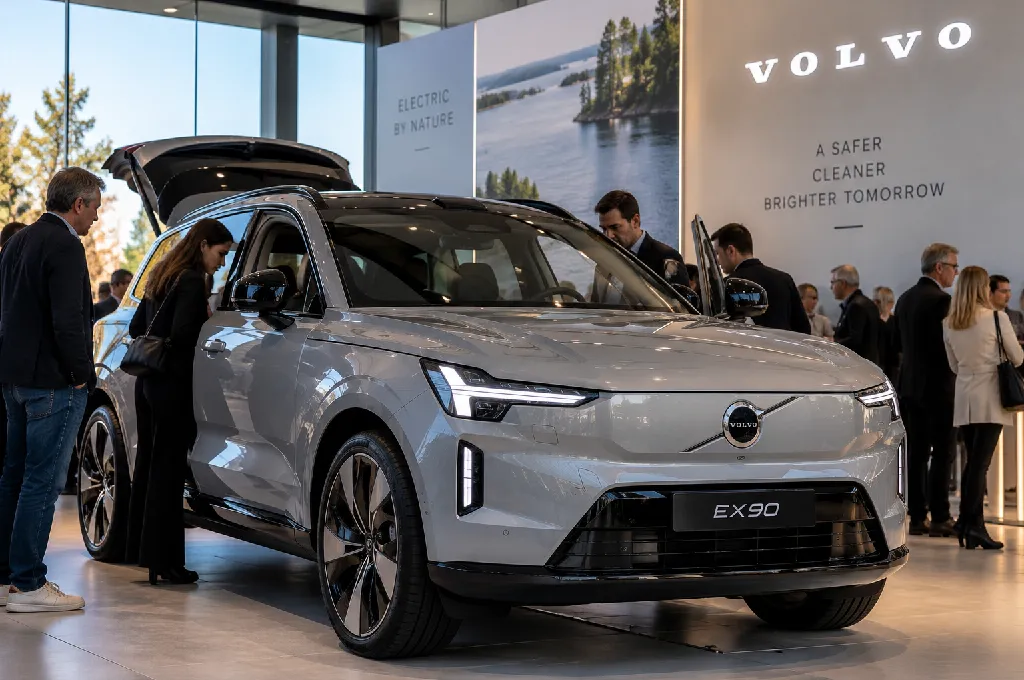
Volvo’s new midsize electric SUV is here, but it may be hard to get your hands on one. The Swedish automaker has officially launched its latest model, positioning it as a flagship contender in the rapidly expanding electric vehicle (EV) market. This new SUV promises high performance and extended range, yet prospective buyers are facing significant hurdles. Supply chain constraints and production ramp-up issues are currently limiting availability, creating a scenario where demand outstrips current production capacity. The vehicle, identified internally as the EX60, is currently generating buzz for its claimed range and charging speeds, though the waitlist is already growing.
⚡ Quick AI Overview & Key Recommendation
Volvo’s new midsize electric SUV, the EX60, is the company’s fastest-charging and highest-range EV to date. Despite being a ‘game changer’ according to Volvo, deliveries are currently limited and delayed in the US. Buyers should expect a long wait time and should monitor inventory closely.
The excitement surrounding this launch is palpable. Volvo executives have openly called the EX60 a ‘game changer,’ marking a significant milestone in their electrification strategy. The vehicle is not just another addition to the lineup; it represents a technological leap. It boasts the highest range and fastest charging capabilities the company has ever produced. This positioning suggests a strategic move to capture a larger share of the premium electric SUV segment.
However, the reality on the ground is different. On paper, the specs look clean. In reality, the logistics are complex. The company has already announced delays for US deliveries. This isn’t just a minor hiccup; it indicates a broader systemic issue affecting the entire automotive industry. The transition to electric mobility is happening faster than many supply chains can adapt.
Volvo’s new midsize electric SUV: Core Evaluation Framework & Decision Matrix
Choosing the right vehicle requires a structured approach. A simple glance at the brochure is insufficient. You need a clear framework to evaluate the Volvo’s new midsize electric SUV against its competitors. This decision matrix helps potential buyers cut through the marketing hype and focus on the essential factors.
| Evaluation Factor | Volvo’s New Midsize SUV | Key Competitors |
|---|---|---|
| Core Competitor | Volvo EX60 | Tesla Model Y, BYD Atto 3 |
| US Market Availability | Delayed & Limited | Generally Available |
| Technology | Fastest charging, high range | Varying tech levels |
This table provides a snapshot of the competitive landscape. The core competitor for this vehicle is the Tesla Model Y, which currently dominates the midsize SUV segment. Another formidable player is the BYD Atto 3, which is gaining traction globally. The BYD Atto 3 is particularly relevant as BYD has recently revealed its own flagship 7-seat electric SUV with over 400 miles of range, a direct challenge to Volvo’s aspirations.
Real-World Calculations: Running Costs, Range & Government Subsidies
Financial prudence is a major driver for EV adoption. Calculating the total cost of ownership is vital. The initial purchase price is only part of the equation. Running costs, range efficiency, and available subsidies play a massive role.
Electric vehicles generally offer lower fueling costs compared to internal combustion engine (ICE) vehicles. Electricity is often cheaper than gasoline or diesel on a per-mile basis. Home charging can further reduce costs by leveraging off-peak electricity rates. A standard home charging setup can cost significantly less than a full tank of gas for the same distance.
Range anxiety is a common concern. The Volvo’s new midsize electric SUV aims to alleviate this with its extended range. However, real-world range can vary based on driving style, temperature, and terrain. Cold weather can reduce battery efficiency, meaning you won’t always achieve the advertised range. It is important to factor in a buffer when planning long trips.
Government subsidies and incentives can significantly reduce the upfront cost of an electric vehicle. Many governments offer tax credits, rebates, or grants to encourage EV adoption. These incentives vary by country and region. In some markets, the incentives are substantial enough to offset the premium price of an EV compared to a similar ICE vehicle.
Crucial Factors & What to Check Before You Buy
Purchasing a new vehicle, especially one in limited supply, requires due diligence. You need to know what to look for and what questions to ask. A thorough checklist can prevent future headaches.
- Battery Warranty: Check the length and coverage of the battery warranty. A comprehensive warranty provides peace of mind.
- After-Sales Service: Ensure there are adequate service centers in your area. Reliable service is crucial for any vehicle.
- Resale Value: Research the projected resale value of the model. A strong resale value is an important factor in the total cost of ownership.
- Software Updates: Inquire about the frequency and quality of over-the-air (OTA) software updates. This indicates the manufacturer’s commitment to long-term support.
- Charging Infrastructure: Verify if the vehicle supports the charging standards prevalent in your region. This affects your ability to charge quickly on the go.
The current situation with the Volvo’s new midsize electric SUV highlights the challenges of the EV transition. While the vehicle itself is impressive, the logistical hurdles are real. Buyers need to be patient and informed. The waitlist is long, and inventory is scarce. Understanding these factors helps manage expectations and prepares buyers for the road ahead.
Frequently Asked Questions
What is the Volvo’s new midsize electric SUV called?
The vehicle is internally referred to as the EX60, and Volvo has described it as their fastest-charging and highest-range EV to date.
Is the Volvo’s new midsize electric SUV available in the US right now?
No, US deliveries are currently delayed and the vehicle remains limited in availability.
Why is it hard to get a Volvo’s new midsize electric SUV?
Supply chain constraints and production ramp-up issues are causing delays and limiting the number of units available for sale.
Who is the main competitor to the Volvo’s new midsize electric SUV?
The main competitors include the Tesla Model Y and the BYD Atto 3.
Does the BYD Atto 3 compete with the Volvo’s new midsize electric SUV?
Yes, BYD has recently revealed a flagship 7-seat electric SUV with over 400 miles of range, directly challenging Volvo in the segment.
What are the running costs of the Volvo’s new midsize electric SUV?
Running costs are generally lower than petrol cars due to cheaper electricity and better energy efficiency.
How does government subsidy affect the Volvo’s new midsize electric SUV?
Government subsidies and tax credits can significantly reduce the upfront purchase price of the vehicle.
What should I check before buying the Volvo’s new midsize electric SUV?
You should check the battery warranty, after-sales service availability, projected resale value, and software update policies.
Is the range of the Volvo’s new midsize electric SUV consistent in cold weather?
No, real-world range can be reduced by cold weather, temperature, and driving style.
Where can I find more information on the Volvo’s new midsize electric SUV?
You can find more information on the official Volvo website or by visiting your local dealership.
Conclusion
The launch of the Volvo’s new midsize electric SUV is a significant event, but the limited availability creates a unique challenge for eager buyers. Patience is key in this situation.
Source: Electrek (electrek[dot]co)