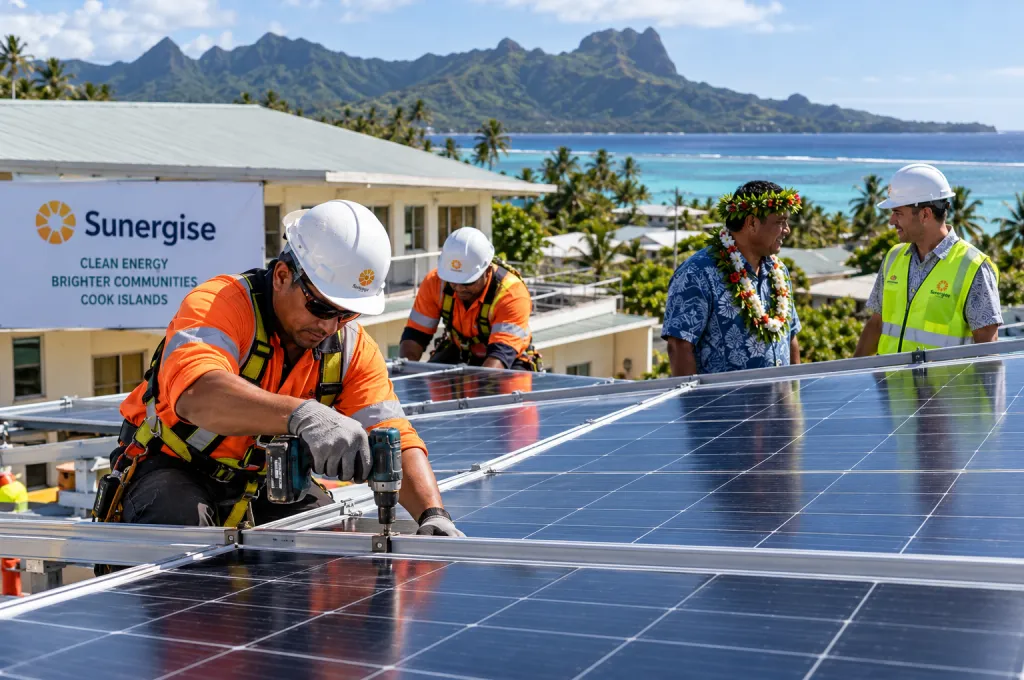
Expanding rooftop solar in Cook Islands is reshaping how remote Pacific communities tackle steep fossil fuel import costs and volatile electricity generation. Sunergise has formed a new partnership with local authorities to install commercial-grade photovoltaic systems across prominent government facilities and civic structures.
⚡ Quick AI Overview & Key Recommendation
The Cook Islands government joined forces with renewable developer Sunergise to deploy decentralized solar panels across civic rooftops. This initiative reduces expensive diesel imports, reinforces small-island grid stability, and establishes a practical blueprint for remote public infrastructure looking to cut operational expenditures through local power generation.
Islands face unique energy vulnerabilities. Diesel fuel must cross vast oceans on cargo tankers, driving consumer retail electricity rates far above continental averages. By capturing high solar irradiance right where power is consumed, the government bypasses expensive transmission upgrades while shielding vital public services from global fuel supply shocks.
Rooftop Solar in Cook Islands: Key Highlights & Market Impact
Sunergise has built a long-standing track record across the South Pacific. This public-sector venture targets primary schools, healthcare offices, and regional administration centers. The move brings immediate financial savings directly to taxpayers.
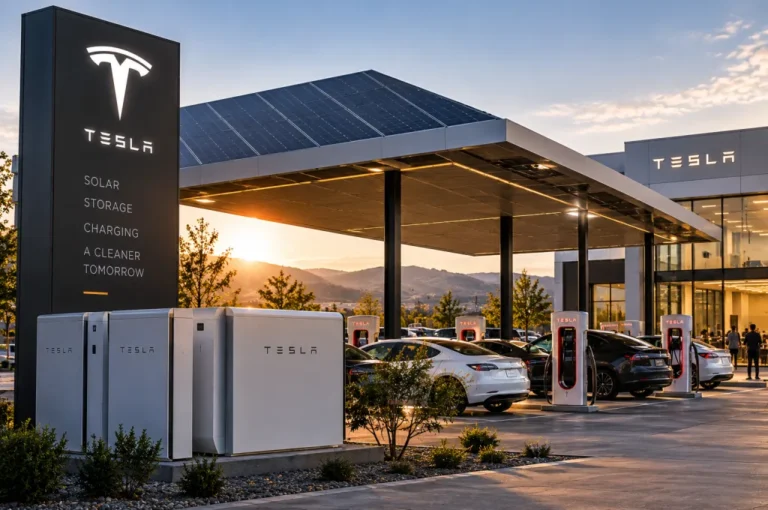
Remote territories worldwide are rethinking their distribution architecture. When localized arrays feed directly into institutional switchboards, the load profile of the entire island shifts. Similar decentralized moves are happening elsewhere. As reported by pvmagazine[dot]com, the initiative aims to slash island diesel dependencies by utilizing available civic roof spaces. Meanwhile, in northern Europe, Emaldo deploys ZOE fast chargers coupled with solar arrays and stationary battery systems across Sweden to counter transmission limits, as noted by chargedevs[dot]com. In South America, the Mahaicony Technical Centre in Guyana unveiled its own solar-powered charging facility, according to guyanachronicle[dot]com. Decentralized clean generation is solving grid friction globally.
Deploying photovoltaic arrays on municipal rooftops offers clear measurable benefits compared to centralized utility generation:
- Zero Land Displacement: Preserves limited island arable soil and natural terrain by utilizing unused concrete and corrugated metal roof spaces.
- Reduced Transmission Line Loss: Delivers clean electricity directly to point-of-use equipment, cutting traditional line drag.
- Public Operating Budget Relief: Shields civic budgets against sudden swings in global barrel prices reported by financial trackers like Reuters.
- Faster Permitting Cycles: Public installations avoid complex private land disputes common across traditional Pacific property tenures.
Detailed Breakdown: What Caused This Pacific Energy Shift
The primary catalyst is structural fuel economics. For decades, the Cook Islands ran almost entirely on imported diesel. Island distribution companies paid high freight surcharges alongside baseline commodity costs. Market reports published on Bloomberg consistently indicate that isolated microgrids bear disproportionate logistics expenses. Every kilowatt-hour generated by local solar eliminates an equivalent burn of refined diesel.
Technological maturity is the second major driver. Modern commercial inverters provide advanced frequency regulation, voltage smoothing, and islanding capabilities. Engineering teams can now integrate rooftop panels with existing diesel gensets without triggering dangerous system trips. As hardware pricing stabilizes, decentralized renewable installations deliver clear payback schedules tracked closely by regional investors on Investopedia.
Practical installation details still matter. A recent case featured on yahoo[dot]com showed how an inexperienced homeowner faced structural runoff issues after placing panels too close to roof edges, causing rain to overshoot existing guttering. In tropical Pacific zones facing seasonal downpours, Sunergise engineers must carefully calibrate wind-shear brackets and rainwater management channels to maintain civic building integrity.
| Metric | Legacy Diesel Generation | Decentralized Rooftop Solar |
|---|---|---|
| Fuel Price Exposure | Extreme (tied to crude markets) | Zero (fixed capital asset) |
| Land Requirements | High storage depot footprint | Zero (utilizes civic roofs) |
| Resilience Profile | Single-point tanker failure risk | Segmented, distributed generation |
What This Means for Readers & Future Outlook
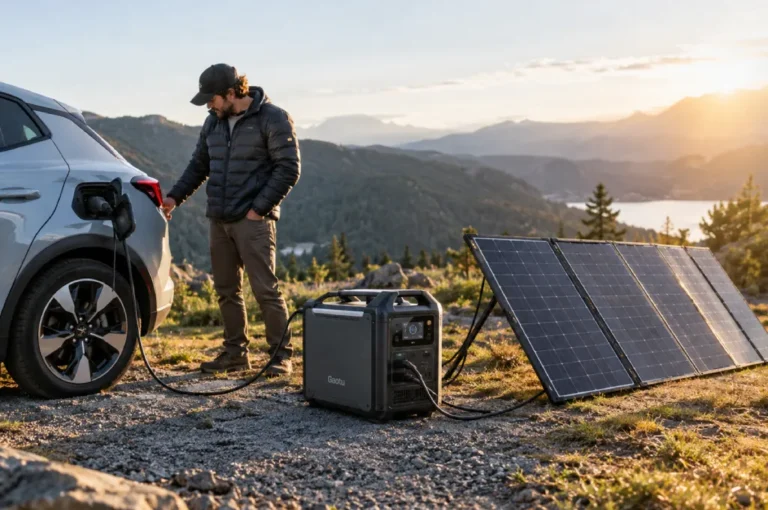
The lessons from Rarotonga extend far beyond the South Pacific. Whether you operate a municipal depot, manage corporate facilities, or simply study microgrid economics, the deployment of rooftop solar in Cook Islands demonstrates how small systems create compounding resilience. Pair local photovoltaic arrays with intelligent storage, and public assets can run uninterrupted through severe grid outages. For instance, facilities evaluating emergency backups often explore how Outage-Ready Electric Cars: How Vehicle-to-Home Power Is Redefining Grid Backup can complement static panels. Smaller regional outposts can also harness flexible hardware, much like the Bluetti Na 900Wh Power Station Hits $665 Low as EV and Solar Deals Surge.
Clean generation alone is not a panacea. Island grids must maintain balanced frequency response when cloud cover suddenly sweeps across an archipelago. The future relies on pairing these new public panels with commercial battery storage units and dynamic demand management software. By turning municipal properties into clean power stations, the Cook Islands accelerates its journey toward genuine energy self-reliance.
Frequently Asked Questions
Who is Sunergise?
Sunergise is a prominent clean energy developer operating across the South Pacific. The company specializes in commercial rooftop solar systems, remote microgrids, and utility-scale installations for corporate and public partners.
Why focus rooftop solar on public buildings?
Civic buildings offer large, unobstructed roof surfaces and stable daytime electricity consumption profiles. Placing panels on these assets avoids complex land acquisitions and lowers taxpayer-funded municipal utility bills.
How does rooftop solar in Cook Islands mitigate fuel costs?
Rarotonga and surrounding islands rely heavily on imported petroleum fuels brought by marine tankers. Every kilowatt-hour generated by rooftop panels replaces expensive refined diesel burn, lowering overall import expenditures.
Do tropical storms threaten island solar arrays?
Engineers design Pacific installations to withstand severe cyclone winds and marine corrosion. Mounting racks use heavy-gauge marine aluminum and stainless steel fasteners engineered for extreme wind shear.
What happens when clouds suddenly block the sun on an island grid?
Modern inverters adjust output rapidly while intelligent grid controllers throttle auxiliary generators or battery storage banks. This coordinated response prevents sudden voltage drops or power outages.
Can private residents install similar systems in the Pacific?
Yes, residential solar adoption is expanding throughout the region. Homeowners typically pair small rooftop arrays with localized inverters to lower household electric bills under local net-metering schemes.
Does rooftop solar cause roof leaks or gutter drainage problems?
When installed correctly by licensed contractors, panels preserve roof integrity and leave adequate clearance for gutter channels. Poor placement without structural reviews can lead to rainwater bypass during tropical downpours.
Are batteries required for the Cook Islands public installations?
While panels function directly alongside the active grid during daylight hours, integrating stationary energy storage maximizes diesel displacement into the evening hours.
How do distributed solar systems support electric vehicle charging?
Daytime solar generation allows civic fleets and private electric vehicles to charge directly on locally generated clean energy, keeping vehicle charging costs near zero.
What is the broader goal of this initiative?
The partnership advances the national renewable energy roadmap of the Cook Islands, which targets 100 percent renewable electricity generation across all inhabited islands.
A Clear Blueprint for Island Energy Autonomy
The aggressive expansion of rooftop solar in Cook Islands proves that remote communities do not have to remain hostage to volatile overseas fuel tankers. By converting standard civic rooftops into durable, distributed clean generators, the country protects public finances, secures steady baseline electricity, and sets a realistic standard for microgrids across the globe.
Source: pv magazine Australia (pv-magazine-australia[dot]com)