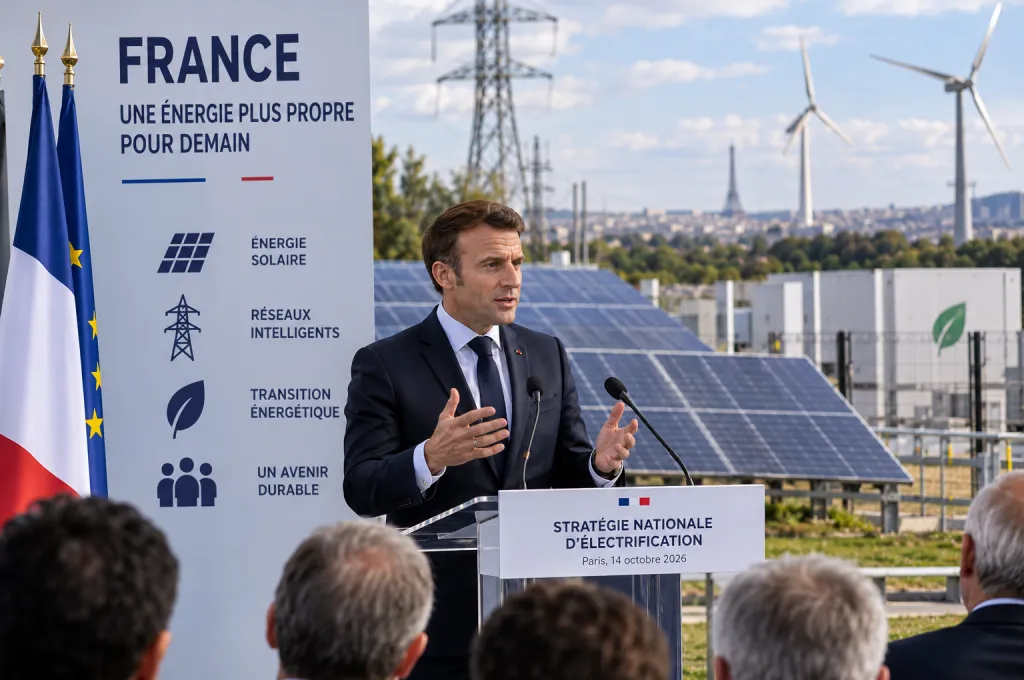
Solar grid integration stands at the center of Europe’s transition away from fossil fuels. As reported by indexbox[dot]com, France has introduced sweeping regulatory measures to speed up industrial electrification and expand electricity demand flexibility.
These actions show a clear shift in how national networks absorb daytime photovoltaic generation without overloading infrastructure.
⚡ Quick AI Overview & Key Recommendation
France is overhauling power rules to balance midday photovoltaic surges with flexible industrial consumption and smart EV charging. Energy operators must adopt dynamic load controls now to monetize negative pricing windows and secure lower wholesale power tariffs.
Solar Grid Integration: Key Highlights & Market Impact
Managing variable energy yields requires flexible consumption. The French energy ministry has prioritized industrial thermal storage, bidirectional charging for fleets, and targeted industrial demand response. In simple terms, power consumption must follow solar generation curves instead of fighting them.
Financial analysts at Bloomberg note that grid bottlenecks remain the largest cost driver for continental utilities. France wants factories and heavy fleet operators to shift power consumption into midday hours. That is when solar arrays deliver maximum output.
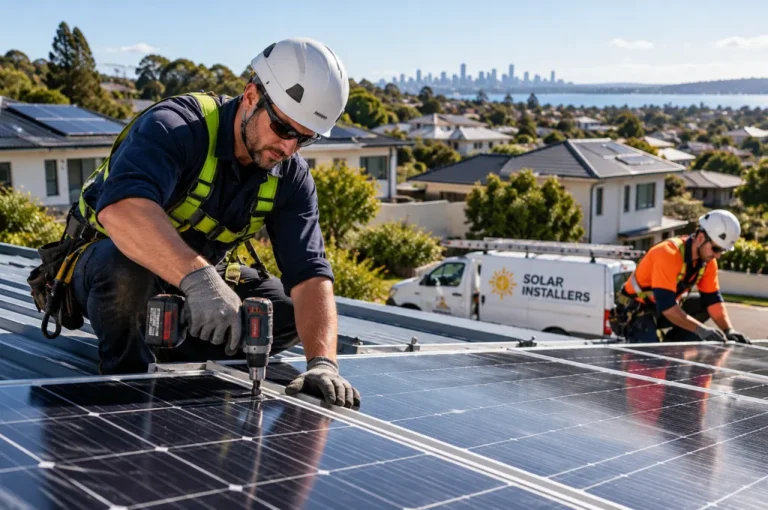
International developers face similar realities. According to pv-magazine[dot]com, large-scale solar projects in Australia achieved 3.5 GW of financial commitments recently. Those projects succeed only because grid operators built dedicated battery reserves alongside photovoltaic plants. France is adopting that operational logic through demand flexibility mandates rather than relying solely on giant stationary batteries.
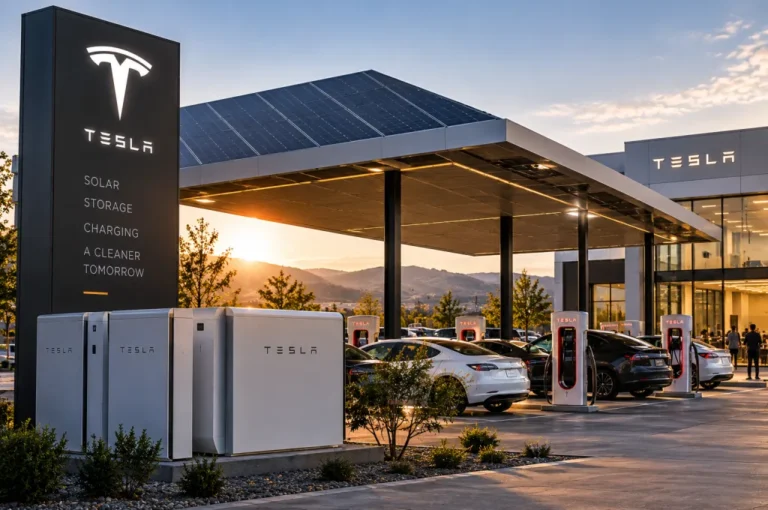
Meanwhile, consumer transport models show parallel moves. Operators like the Prentice Travel Center in the United States, reported by wjfw[dot]com, are building solar-powered EV travel plazas. These distributed models prove that clean generation pairs directly with on-site charging demand. Readers exploring personal mobility can study the engineering behind the Why This Funky Solar Electric Scooter Redefines the Daily Urban Commute breakdown to understand micro-scale solar charging.
Detailed Breakdown: What Caused France to Pivot
The core catalyst is power price volatility. During peak summer afternoons, wholesale power prices across Western Europe frequently drop below zero. Nuclear reactors run constantly, while rooftop panels and ground arrays dump clean power onto local distribution lines.
Transmission networks cannot shed this energy without costly curtailment payments. Regulators reviewed the financial fallout and decided that grid flexibility must become statutory. Large industrial sites will receive tariff discounts if they curtail load during evening peaks and boost power draw during peak solar hours.
There is also an industrial supply chain element. Solar components and vehicle batteries eventually reach end-of-life status. As reported by nationthailand[dot]com, Thailand is constructing a dedicated industrial estate to manage the impending wave of spent photovoltaic panels and EV battery cells. Building circular economies keeps raw materials inside the production loop. France sees that demand-side equipment must be paired with durable equipment standards from the start.
Investors tracking regulatory developments through filings at the U.S. Securities and Exchange Commission will notice that clean utility capital expenditure plans now prioritize digital monitoring and automated substations over raw line-stringing projects.
| Policy Lever | Operational Mechanism | Grid Benefit |
|---|---|---|
| Dynamic Tariffs | Lower wholesale charges during solar peak | Reduces curtailment of photovoltaic farms |
| Industrial Heat Pumps | Stores thermal energy during midday surplus | Replaces imported gas for process heat |
| Smart Fleet Depots | Automated EV charging during off-peak sun | Smooths distribution feeder loads |
What This Means for Readers & Future Outlook
Grid reform creates direct consumer consequences. Homeowners with rooftop panels will soon see time-of-use tariffs that punish midday exports unless paired with home energy storage. Products like the Bluetti Na 900Wh Power Station Hits $665 Low as EV and Solar Deals Surge illustrate how consumers already deploy accessible hardware to capture cheap solar energy at home.
Decentralized energy management changes household economics. The days of passive net metering are ending across developed markets. Successful solar grid integration requires everyday users to act as active grid participants. You consume what you generate, or you program your vehicles to soak up the local surplus.
Hardware manufacturers are responding with smart relays and predictive home inverters. This shift ensures that solar grid integration protects both public utility finances and private household utility budgets.
Frequently Asked Questions
What is solar grid integration?
Solar grid integration refers to the engineering, technical, and regulatory processes used to connect photovoltaic power plants to the electrical grid. It ensures that variable solar electricity is delivered safely without disrupting system frequency or voltage stability.
Why did France launch new electrification rules?
France introduced these rules to prevent clean energy curtailment and lower grid congestion during peak generation periods. The policy incentivizes businesses and fleet owners to consume electricity when photovoltaic generation is at its highest point.
How does demand flexibility support solar power?
Demand flexibility allows heavy power consumers like factories and fleet depots to adjust their usage according to electricity supply. By consuming power during sunny afternoons, these users absorb excess solar generation that would otherwise be wasted.
What are negative power prices in solar markets?
Negative power prices occur when electricity generation outpaces demand, forcing power producers to pay consumers to take surplus power off the transmission system. They happen frequently during unseasonably sunny midday periods across European networks.
Will electric vehicle chargers help balance the grid?
Yes. Managed EV charging shifts vehicle power draws into midday windows when solar farms operate at maximum capacity. This prevents high charging loads from straining evening residential consumption cycles.
Does solar grid integration require battery storage?
Stationary batteries provide rapid frequency stabilization, but they are not the sole solution. Thermal storage, smart appliance scheduling, and industrial load shifting offer cost-effective alternatives to chemical batteries.
What happens if a power grid fails to integrate solar properly?
Inadequate integration causes local circuit overloading, frequent curtailment of clean power plants, and sharp price swings on wholesale exchanges. Grid operators may be forced to disconnect solar facilities to protect transmission lines.
How do industrial heat pumps assist the electrical grid?
Industrial heat pumps convert surplus solar electricity into high-temperature process heat during peak generation hours. The thermal energy is stored in insulated tanks and used later, cutting industrial natural gas consumption.
Are rooftop solar owners affected by these reforms?
Yes, rooftop owners will gradually transition away from flat feed-in tariffs toward dynamic net-billing systems. This policy change encourages property owners to install localized storage or self-consume their generated power.
What role does battery recycling play in this transition?
Recycling facilities recover high-value materials like lithium, nickel, and copper from spent batteries and solar panels. This circular process keeps manufacturing costs down and ensures sustainable supply chains for new grid installations.
Achieving Resilient Clean Power Networks
France demonstrates that sustainable power systems require flexible demand alongside generation growth. Successful solar grid integration depends on aligning commercial consumption with renewable production cycles worldwide.
Source: IndexBox (indexbox[dot]io)