When the sun goes down, the power must come from somewhere. An EV owner recently pointed out a specific behavior in Tesla’s energy software where solar charging taps home battery when sunlight drops. The system prioritizes the battery to keep the car charged, even if it means drawing from stored power instead of grid electricity. This detail reveals a lot about how modern home energy systems balance supply and demand.
⚡ Quick AI Overview & Key Recommendation
When solar charging taps home battery when sunlight drops, the system uses stored solar energy to charge your EV at night. This maximizes self-consumption and lowers grid dependency. To optimize this, set your energy settings to “Always Charge” so the battery acts as a bridge between day generation and night demand.
Understanding this mechanism is vital for anyone with a solar setup and an electric vehicle. It affects your electricity bill, your battery lifespan, and your overall energy independence. Let’s break down what is actually happening behind the software settings.
solar charging taps home battery: How the System Manages Your Energy Flow
The core of the issue lies in the software logic. Solar panels generate DC power. This power is converted to AC to run your home appliances. If the solar production exceeds usage, the excess goes to the battery. But what happens when the sun sets? The panels stop producing. The home needs power for lights and appliances.
Here is the logic the software follows. It checks the battery level. If the battery is full, it draws power from the grid. If the battery has capacity, it draws from the battery first. This ensures you use your stored solar energy before buying expensive grid power. This behavior is not a bug; it is a feature designed to save money.
The Role of the Tesla Powerwall
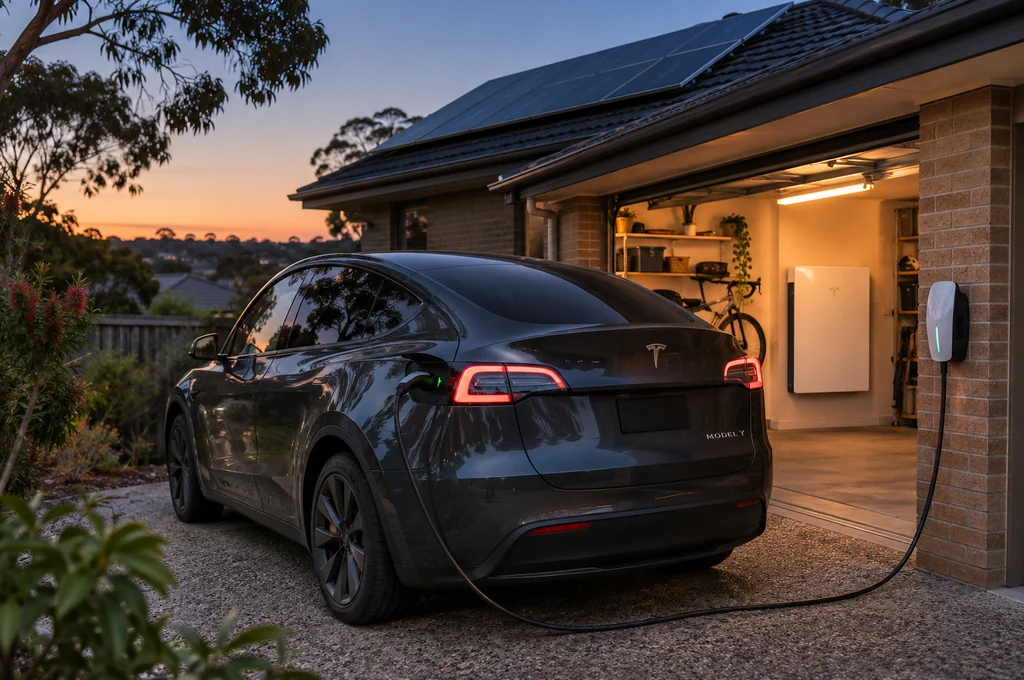
The Tesla Powerwall is the central hub for this operation. It acts as a buffer. During the day, it stores surplus energy. At night, it releases that energy. When solar charging taps home battery when sunlight drops, the Powerwall is simply doing its job. It is the bridge between your daytime generation and your nighttime consumption.
This seamless transition keeps your home powered without interruption. It also protects you from grid outages. If the grid goes down, the system switches to battery power automatically. This is a major selling point for solar owners in areas with unreliable electricity.
Impact on Your Electricity Bill
Using stored solar energy to charge your car is cheaper than using grid power. Electricity rates are usually highest in the evening when solar production stops. By solar charging taps home battery when sunlight drops, you are effectively using “free” energy to fill your EV. This reduces your overall carbon footprint and your monthly expenses.
However, it is important to monitor your battery levels. If you drain the battery completely to charge the car, you might have to buy power from the grid the next morning. This defeats the purpose of having a battery. The key is to balance your usage and charging schedule.
Configuring Your Settings for Maximum Efficiency
To get the most out of your system, you need to configure the settings correctly. The Tesla app allows you to control the charging behavior. You can set it to “Always Charge” or “Solar Only”.
The “Always Charge” option is usually the best choice. It ensures your car is ready to go in the morning, regardless of the solar output. The system will use the battery first, then the grid, to meet this demand. This strategy maximizes the use of your stored energy.
Real-World Scenarios and User Experience
Many users report a seamless experience with this setup. They wake up to a full battery and a full car. They do not have to think about when to charge. The system handles it all in the background.
One user described the experience as “magic”. They did not notice the transition from solar to battery to grid. They simply saw the results. This hands-off approach is what makes solar energy so attractive to homeowners.
Comparing with Other Energy Systems
Not all home energy systems work the same way. Some require manual intervention. Others have simpler logic. The Tesla ecosystem is known for its integration. The solar panels, the battery, and the car all talk to each other.
This integration is a significant advantage. It allows for complex calculations that maximize efficiency. For example, the system might delay charging the car until the battery is almost full, then use that stored power to charge the car. This requires sophisticated software, which Tesla has developed over many years.
Future Trends in Home Energy Management
As more people buy electric vehicles, the demand for home energy management will grow. Systems that can handle the complex interplay between solar, battery, and EV charging will become essential.
We can expect to see more advanced features. These might include predictive charging based on weather forecasts or electricity price fluctuations. The ability to solar charging taps home battery when sunlight drops will remain a standard feature, but the intelligence behind it will continue to evolve.
Frequently Asked Questions
Does solar charging work at night?
No, solar panels do not generate electricity at night. However, if your system includes a battery, the stored energy can be used to charge your EV during the night.
How does the Tesla Powerwall work with an EV?
The Powerwall stores excess solar energy during the day. At night, it releases this energy to power your home and charge your electric vehicle.
Is it cheaper to charge an EV with solar?
Yes, it is significantly cheaper. You use the free solar energy stored in your battery instead of buying expensive grid electricity.
What happens if my battery is empty?
If the battery is empty, the system will automatically draw power from the grid to charge your EV.
Can I set my Tesla to charge only with solar?
Yes, you can set the charging preference to "Solar Only" in the Tesla app. However, this might not always result in a full charge if solar production is low.
How long does it take to charge an EV with a home battery?
The charging time depends on the battery size and the EV's charging speed. It can range from a few hours to overnight.
Does using a home battery for EV charging reduce its lifespan?
Yes, all batteries degrade over time. Frequent deep cycling can accelerate this process. However, modern batteries are designed to handle this usage.
What is the best setting for charging my EV?
The "Always Charge" setting is generally recommended. It ensures your car is ready in the morning and maximizes the use of your stored solar energy.
Can I sell excess solar energy back to the grid?
This depends on your local utility laws. Some regions allow net metering, where you can sell excess energy back to the grid.
Do I need a special EV charger for solar charging?
You need a standard Level 2 charger, which works with any electric vehicle. The solar system manages the power flow to the charger.
The Future of Home Energy is Integrated
As we move towards a greener future, solar charging taps home battery when sunlight drops to keep us moving. This technology is not just about saving money; it is about taking control of our energy consumption. With the right setup, you can enjoy the freedom of electric driving without the guilt of high carbon emissions.
Source: The Cool Down (thecooldown[dot]com)