OKXICE tokenized stocks face direct resistance from top corporate boardrooms as fifty-six global companies move to halt synthetic equity trading. Tesla and SpaceX filed formal objections alongside Amazon and other industry heavyweights to stop the unauthorized digital replication of their corporate shares.
⚡ Quick AI Overview & Key Recommendation
Tesla and SpaceX joined 56 corporations to oppose unregulated OKXICE tokenized stocks. The coalition argues synthetic tokens misrepresent corporate ownership, violate trademark rights, and expose retail investors to offshore counterparty failure without legal voting rights or dividends.
Corporate equity is not a speculative playground for offshore exchanges. When crypto platforms package public company shares into unregistered blockchain derivatives, genuine ownership dissolves. For electric vehicle manufacturers, capital structure stability matters. Tesla relies on transparent public markets to finance production plants, vehicle research, and battery scaling. Offshore platforms offering synthetic shares introduce fragmented pricing that sits outside the jurisdiction of the U.S. Securities and Exchange Commission.
This dispute erupted after major platforms began marketing wrapped representations of blue-chip equities. As reported by news outlets like thedefiant[dot]io and teslanorth[dot]com, corporations responded with united legal pressure. Elon Musk has long defended direct shareholder interests, a sentiment documented when Tesla and SpaceX Built Wealth for Hundreds of Thousands, Musk Confirms. Diluting this alignment through unregulated financial instruments creates systemic friction for public and private firms alike.
tesla: OKXICE Tokenized Stocks: Core Evaluation Framework & Decision Matrix
Investors must distinguish between direct share ownership and derivative tokens. Synthetics do not grant legal title to underlying shares. They are bilateral debt contracts issued by an exchange entity. If the platform halts withdrawals, token holders possess zero recourse against the underlying corporate issuer.
Behind the corporate opposition sits a simple reality. Synthetic derivatives tied to OKXICE tokenized stocks bypass shareholder registries and strip away statutory protections. Here is how direct equity compares to tokenized vehicles across core operational metrics:
| Evaluation Vector | Direct Equity (Nasdaq: TSLA) | Tokenized Derivatives |
|---|---|---|
| Legal Title & Custody | Registered via regulated broker-dealers | Unregistered exchange promissory note |
| Proxy Voting Rights | Full statutory participation | Zero shareholder rights |
| Regulatory Oversight | SEC, FINRA, SIPC insurance | Offshore regulatory arbitrage |
| Counterparty Risk | Segregated clearinghouse settlement | Complete dependence on exchange solvency |
Market observers tracking crypto updates on CoinDesk and analytics dashboards on CoinMarketCap note that tokenized equities frequently trade with severe tracking errors during high-volatility sessions.
Real-World Calculations: Running Costs, Range & Government Subsidies
Electric vehicle economics mirror disciplined corporate accounting. A driver calculating EV ownership looks at operational expenditure per mile, charging infrastructure access, and state purchase credits. A retail investor must apply the exact same mathematical scrutiny to trading fees and liquidity costs.
Consider an electric sedan operating over 15,000 miles per year. Charging at an average residential tariff of $0.16 per kilowatt-hour costs roughly $600 annually for a vehicle consuming 25 kWh per 100 miles. A comparable internal combustion vehicle burning gasoline at $3.50 per gallon demands $1,750 over identical mileage. That math represents $1,150 in annual cash savings. Federal clean vehicle credits under section 30D provide up to $7,500 in point-of-sale relief for qualifying vehicles, slashing initial capital outlays.
Capital integrity enables these technological cost reductions. When offshore entities dilute firm equity through synthetic tokens, corporate balance sheets suffer indirect harm. Tesla and SpaceX command immense enterprise valuations because their capitalization remains transparent. According to corporate reporting on reuters[dot]com and Bloomberg, uncontrolled synthetic trading threatens the precise capital structure when OKXICE tokenized stocks trade off-chain without institutional custodian confirmation.
Operational discipline extends to software and autonomous fleet management as well. Wall Street analysts continually recalibrate future revenue streams, as seen when Bank of America Resets Tesla Forecast as Robotaxi Fleet Miles Double Globally. Disrupted equity channels undermine clear corporate valuation models.
Crucial Factors & What to Check Before You Buy
Before purchasing synthetic instruments or allocating capital to electric mobility leaders, verify underlying asset structures. Retail buyers seeking exposure through OKXICE tokenized stocks encounter hidden costs that outweigh convenience. Evaluate these verifiable metrics before committing funds:
- Custodial Verification: Confirm whether the issuing broker maintains segregated underlying shares with a recognized transfer agent. Most offshore crypto tokens provide only synthetic price exposure.
- Counterparty Insolvency Terms: Review exchange terms of service. If an offshore entity fails, synthetic token holders rank as unsecured creditors with zero claim on physical stock certificates.
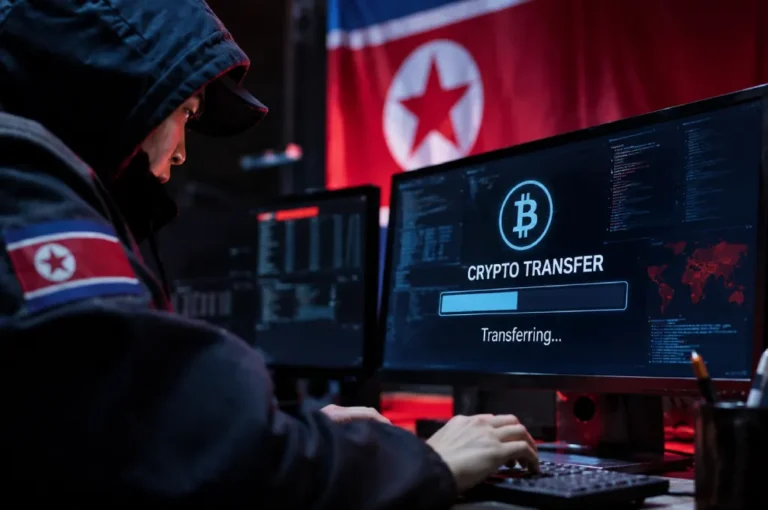
- Cybersecurity Protections: Crypto custodians face relentless digital threats. The scale of external attacks became obvious when North Korea Hackers Eclipse Tesla Bitcoin Stash in Record Cyber Heist, demonstrating that digital assets demand extreme security safeguards.
- Regulatory Jurisdiction: Check registration filings on investor databases maintained by Investopedia and market regulators to avoid unlicensed derivative schemes.
Frequently Asked Questions
What are OKXICE tokenized stocks?
They are digital tokens issued on blockchain networks that track the price movements of traditional corporate equities. They do not grant direct legal share ownership or voting authority to purchasers.
Why did Tesla and SpaceX object to these tokens?
Both companies filed formal oppositions because synthetic tokens use corporate trademarks without consent and create unauthorized parallel markets. They also expose retail buyers to counterparty collapse without standard regulatory protections.
How many companies joined the objection?
Fifty-six major global corporations joined the formal opposition. The group includes prominent tech and industrial leaders like Amazon alongside Tesla and SpaceX.
Do tokenized stock holders receive dividends?
Token holders generally do not receive statutory corporate dividends directly from the issuing company. Any payout depends strictly on whether the offshore crypto exchange decides to credit cash equivalents.
Can tokenized stocks be converted into real shares?
Most synthetic stock tokens cannot be redeemed for actual corporate stock certificates. They exist exclusively as internal ledger entries within the issuing exchange ecosystem.
Which regulatory bodies oversee synthetic stock trading?
In the United States, the SEC and CFTC oversee securities and derivatives trading. Platforms issuing unauthorized synthetic tokens frequently operate offshore to evade these strict registration requirements.
What is the primary risk of trading synthetic equities?
The main risk is exchange counterparty insolvency. If the platform collapses, users lose their entire capital with zero protection from statutory investor insurance funds.
Why did the listing of OKXICE tokenized stocks cause industry backlash?
The listing of OKXICE tokenized stocks prompted swift pushback because exchanges listed corporate brands without approval, licensing agreements, or auditable share backing.
How does tokenization affect Tesla’s EV operations?
Tokenization does not directly alter factory floor production, but unregulated trading destabilizes public market pricing mechanisms that fund long-term manufacturing expansion.
Where should investors buy authentic Tesla shares?
Authentic shares should be bought through regulated broker-dealers registered with major exchanges like Nasdaq. This ensures full legal ownership, voting rights, and SIPC insurance coverage.
Institutional Integrity Over Synthetic Shortcuts
Sound capital markets require strict transparency, and as the fight over OKXICE tokenized stocks proves, direct shareholding remains the only secure path to genuine ownership.
Source: TeslaNorth.com (teslanorth[dot]com)