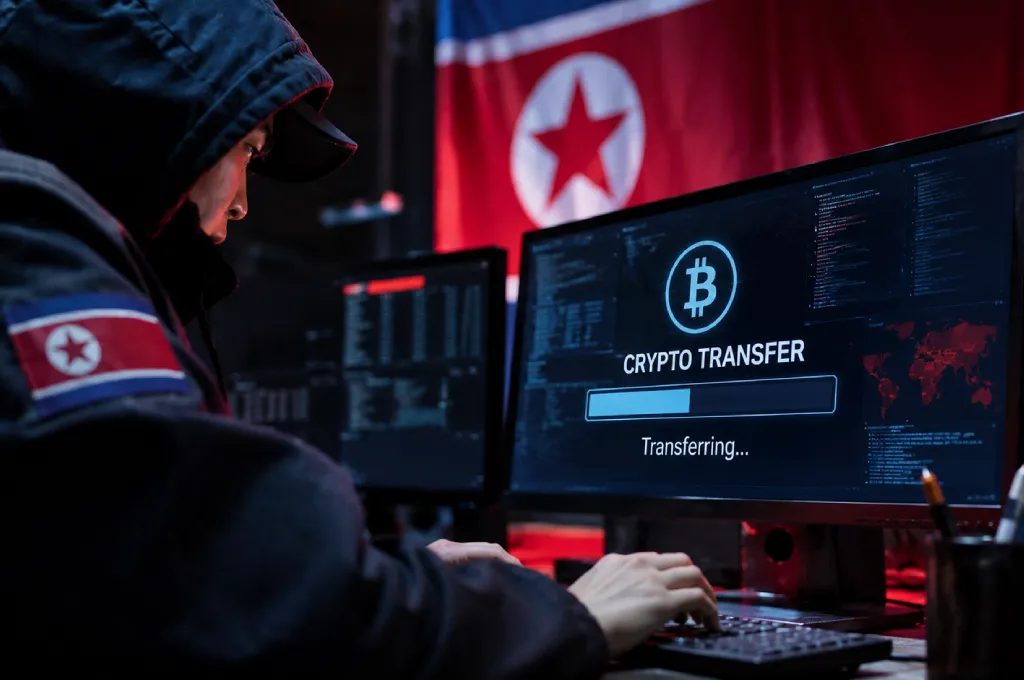
Reports reveal that North Korea hackers steal Bitcoin in sums that eclipse the corporate cryptocurrency reserves held by electric vehicle giant Tesla and the sovereign nation of El Salvador. According to reporting from koreajoongangdaily[dot]com, state-sponsored cyber operations have netted historic sums of digital assets. This unprecedented drain highlights severe exposure points for public corporations holding volatile tokens on their balance sheets.
⚡ Quick AI Overview & Key Recommendation
North Korea-linked threat actors have accumulated cryptocurrency balances larger than Tesla’s 9,720 Bitcoin treasury and El Salvador’s sovereign fund combined. For automotive manufacturers managing digital treasuries and connected vehicle systems, strict cold-storage protocols and decoupled software custody are now fundamental corporate risk requirements.
Automakers are no longer simple metal-bending operations. They manage sprawling digital networks, advanced software stacks, and unconventional balance sheets. When rogue state groups extract vast digital wealth from global liquidity pools, every board of directors running an EV enterprise must pay attention. Treasury assets directly back factory expansions, software research, and battery sourcing contracts.
tesla: North Korea Hackers Steal Bitcoin: Key Highlights & Market Impact
The scale of recent cyber operations alters how market analysts assess alternative reserve assets. Data documented across CoinMarketCap and industry intelligence shows state-aligned units siphoning billions through targeted protocol attacks. When North Korea hackers steal Bitcoin at this scale, they amass capital reserves capable of disrupting international markets and financial security standards.
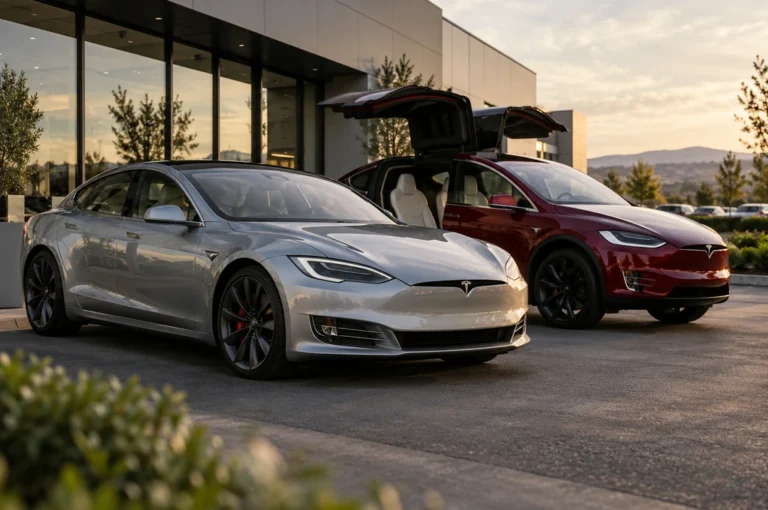
Tesla famously bought $1.5 billion in Bitcoin in early 2021 before trimming its position to secure cash during manufacturing shutdowns. Filings submitted to the U.S. Securities and Exchange Commission confirm Tesla currently holds roughly 9,720 Bitcoin. El Salvador holds around 5,800 tokens. The combined value of these high-profile reserves sits below the cumulative hauls intercepted by state-backed cyber units in recent illicit raids.
For the electric vehicle ecosystem, this contrast is stark. Capital discipline dictates how fast a manufacturer builds gigafactories or expands assembly lines. If bad actors can extract equivalent value with zero operational friction, digital asset security ceases to be an abstract software problem. It becomes a balance sheet liability that credit rating agencies scrutinize.
Detailed Breakdown: What Caused Cyber Heists to Outpace Corporate EV Reserves
Multiple structural factors allowed cyber intrusions to yield such massive volumes. Decentralized finance protocols often sacrifice defensive engineering for transaction velocity. State-backed hackers systematically target cross-chain bridges and enterprise hot wallets, exploiting weak access controls to drain deep liquidity reserves.
At the same time, traditional automakers face shifting corporate challenges. Reports from cryptobriefing[dot]com indicate that SpaceX and Tesla have formed special committees to evaluate a potential merger. Any strategic consolidation between aerospace operations and automaker operations requires rigorous digital risk audits. Both entities built considerable value through disruptive operations, a dynamic explored in how Tesla and SpaceX Built Wealth for Hundreds of Thousands, Musk Confirms over the last decade.
Simultaneously, automotive software architecture faces scrutiny in export markets. As reported by reuters[dot]com, Tesla recently renamed its driver-assistance package from Full Self-Driving to Assisted Driving across Europe to secure regulatory clearance. Software compliance and digital infrastructure integrity run parallel. When cyber threats mount globally, automated vehicular infrastructure and enterprise accounts become interconnected attack vectors.
| Entity or Threat Actor | Estimated Reserve / Stolen Sum | Primary Asset Function | Security Profile |
|---|---|---|---|
| North Korea-Linked Hackers | Exceeds 15,000+ BTC equivalent | State funding and sanctions evasion | Offensive decentralized exploits |
| Tesla Corporate Treasury | Approximately 9,720 BTC | Balance sheet cash diversification | Multi-signature institutional custody |
| El Salvador Sovereign Fund | Approximately 5,800 BTC | Sovereign strategic reserve | Government cold storage cold wallets |
What This Means for Readers & Future Outlook
Capital preservation directly influences enterprise execution in the EV sector. Financial analysts debating aerospace and automotive equity upside frequently weigh capital allocation decisions. Readers examining long-term EV roadmaps can track institutional positioning through analyses like Bank of America Resets Tesla Forecast as Robotaxi Fleet Miles Double Globally, which details how self-driving systems alter vehicle margins. Product strategies change as hardware matured, evident when Tesla Model S and X Signature Series Marks the End of an Era for Luxury EVs.
EV investors should monitor these concrete shifts:
- Automakers will limit treasury exposure to volatile crypto assets, favoring liquid short-term commercial paper and government debt.
- Cybersecurity budgets for connected vehicle fleets will expand to prevent unauthorized over-the-air system intrusions.
- Corporate treasury teams will eliminate custodial single points of failure by mandating cold storage mechanisms verified by CoinDesk indices.
- Institutional credit assessments will factor geopolitical cyber risk directly into debt ratings for tech-heavy carmakers.
The realization that North Korea hackers steal Bitcoin in quantities dwarfing high-profile corporate treasuries signals a fundamental shift. Automakers must protect their financial reserves with the same intensity they apply to physical manufacturing plants.
Frequently Asked Questions
How much Bitcoin did North Korea-linked hackers steal compared to Tesla?
State-linked cyber groups have siphoned well over 15,000 Bitcoin across multiple decentralized exploits. This total exceeds Tesla’s corporate treasury of approximately 9,720 Bitcoin.
Why do North Korea hackers steal Bitcoin instead of cash?
Cryptocurrency transactions bypass traditional banking sanctions, providing rapid cross-border liquidity. Threat actors convert these digital tokens through decentralized mixers to fund state initiatives.
How much Bitcoin does Tesla currently own on its balance sheet?
Tesla holds roughly 9,720 Bitcoin on its balance sheet according to regulatory filings. The company previously sold about 75 percent of its original purchase to shore up operational liquidity.
How does El Salvador’s Bitcoin reserve compare to recent cyber heists?
El Salvador holds approximately 5,800 Bitcoin in its national treasury. Combined with Tesla’s reserves, the total is lower than cumulative sums intercepted by state-sponsored cyber operations.
Why does cryptocurrency security matter to electric vehicle companies?
Automakers manage digital treasuries, customer billing networks, and software update servers. Breaches in digital infrastructure risk operational capital, supplier payroll, and vehicle software integrity.
Are electric vehicle software platforms at risk from state-sponsored hackers?
Modern vehicles rely on over-the-air firmware updates and cloud infrastructure. A compromised corporate network could expose sensitive driver telemetry or connected control systems to external tampering.
Did Tesla lose any of its own Bitcoin in these cyber attacks?
No, Tesla’s institutional reserves were not breached. The stolen tokens came from decentralized finance platforms, bridges, and centralized crypto exchanges targeted by threat actors.
Why did Tesla rename Full Self-Driving to Assisted Driving in Europe?
Tesla updated the marketing terminology to comply with stringent European regulatory standards. European authorities require clear labeling to ensure drivers understand driver supervision remains necessary.
Are SpaceX and Tesla planning to merge their operations?
Reports indicate both firms created exploratory committees to evaluate transactional synergies. No formal merger agreement has been finalized or submitted to regulatory bodies.
How will automotive manufacturers protect their capital reserves in the future?
Car manufacturers are shifting toward regulated custodial banking and insured cold storage. Highly speculative tokens are increasingly excluded from core operating reserves to minimize balance sheet risk.
Balancing Digital Treasuries with Industrial Reality
Corporate balance sheets face unprecedented cyber warfare as North Korea hackers steal Bitcoin at volumes outpacing major industrial treasuries. For automotive leaders, manufacturing clean transportation requires impenetrable digital defenses to safeguard both factory systems and corporate capital.
Source: Korea JoongAng Daily (koreajoongangdaily[dot]com)