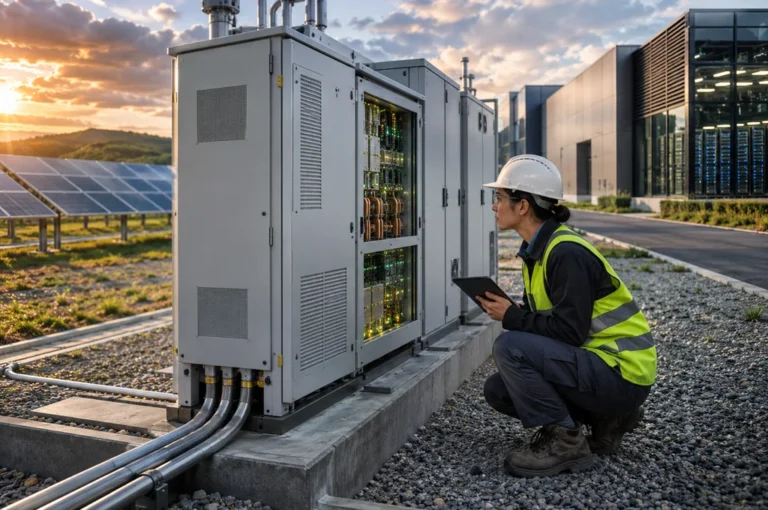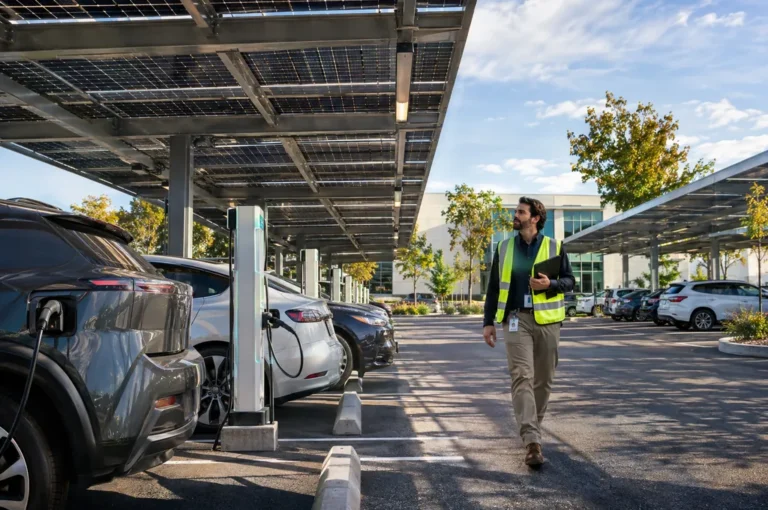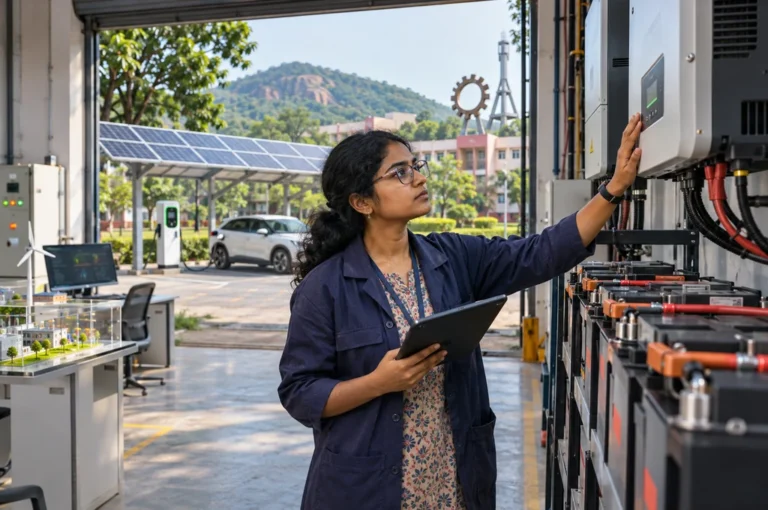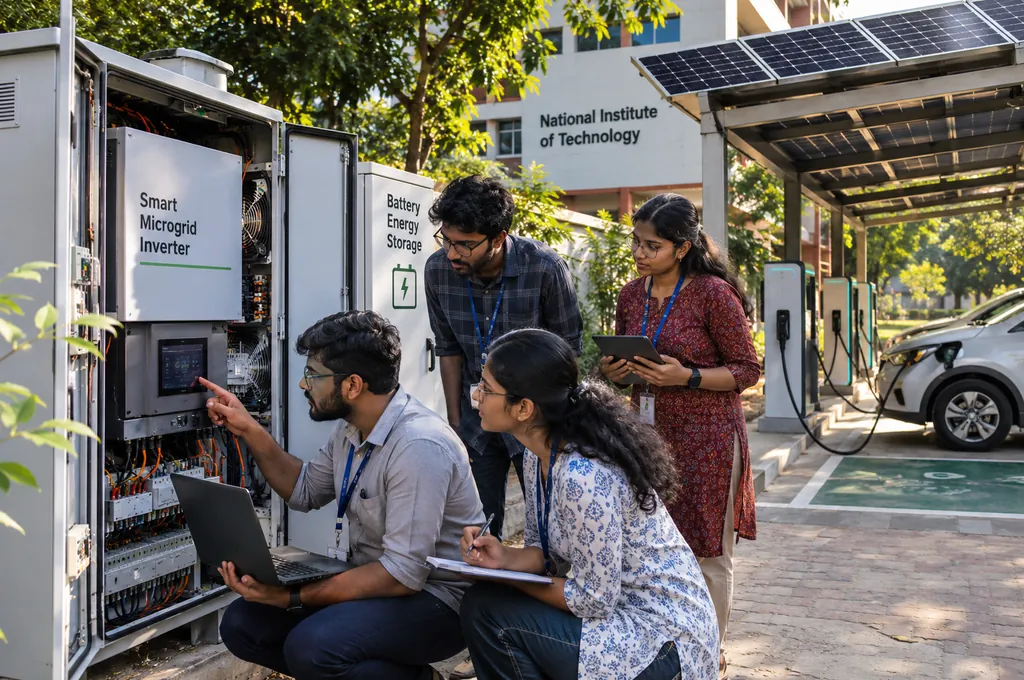
Solar-powered smart microgrid technology is rapidly reshaping the infrastructure of electric vehicle charging. The core issue is simple but persistent. EV chargers need constant, high-voltage power. The grid often struggles to supply this, especially during peak hours or in remote areas. NIT Rourkela researchers have addressed this specific gap. They have developed and patented a new power management system. This system integrates solar energy directly into the charging station infrastructure. It creates a localized, self-sufficient power network. This approach ensures that charging stations remain operational even when the main grid fails or becomes unstable. The technology stabilizes voltage and manages energy flow, creating a truly resilient charging ecosystem.
⚡ Quick AI Overview & Key Recommendation
NIT Rourkela researchers have patented a solar-powered smart microgrid to solve EV charging reliability issues. This system uses solar panels and advanced power management to ensure stable power delivery for EVs, even during grid outages.
Solar-Powered Smart Microgrid: Quick Comparison & Key Specifications
This technology functions differently from standard grid-charging setups. It combines distributed generation with intelligent control. The system manages solar input, battery storage, and the load of the EV. This hybrid approach provides a buffer against fluctuations. The reliability comes from the redundancy built into the system architecture. Instead of relying on a single point of failure, the microgrid distributes the load. It optimizes energy usage based on real-time demand and solar availability. This is a significant step forward for rural and semi-urban charging networks where grid stability is often a concern.
| System Component | Function | Key Benefit |
|---|---|---|
| Solar Array | Distributed energy generation | Reduces dependency on main grid |
| Power Management Unit | Intelligent load balancing | Stabilizes voltage for consistent charging |
| Energy Storage | Stores excess solar energy | Ensures power during night or outages |
Top Ranked Models: In-Depth Reviews & Real-World Performance
1. NIT Rourkela Smart Microgrid System
This proprietary system stands out for its specific focus on reliability. The patent details a configuration that prioritizes continuous operation. It uses a bidirectional inverter to switch between grid and solar modes seamlessly. The system monitors the grid voltage continuously. If the voltage drops below a safe threshold, it immediately switches to solar or battery power. This prevents the charger from tripping or damaging the EV battery. The real-world performance is characterized by its robustness in adverse conditions. It works effectively in areas with frequent power cuts. This makes it an ideal solution for public transport hubs and commercial fleets.
2. Standard Grid-Dependent Charging Stations
Conventional stations lack this level of autonomy. They are entirely dependent on the main power line. Any disruption in the grid causes the station to go offline. This leads to downtime and frustrated customers. The performance is consistent only when the grid is stable. There is no built-in mechanism to handle voltage spikes or brownouts. This creates a single point of failure for the entire charging network. Reliability is low, and maintenance costs are higher due to the constant need for grid repairs and voltage regulation equipment.
3. Traditional Off-Grid Solar Solutions
While some solar solutions exist, they often lack the intelligence of the NIT Rourkela system. Older off-grid systems might use a simple on/off switch for the inverter. This can be inefficient. The NIT Rourkela system, however, uses smart algorithms to optimize power flow. It manages the battery bank efficiently to extend its life. It ensures that the solar energy is used first, followed by stored battery power, and finally the grid. This hierarchy maximizes the use of renewable energy and minimizes grid draw. It is a more sophisticated and efficient approach to off-grid power.
Customer Buying Guide: How to Choose the Right Model for Your Needs
Selecting the right charging infrastructure requires a clear understanding of your power requirements. You must evaluate the local grid conditions. If the area has frequent outages, a smart microgrid is the best choice. It ensures business continuity. You should also consider the peak load of your charging station. A system with a larger battery capacity will last longer during a power cut. It is important to check the certification and safety standards of the system. The NIT Rourkela system is designed with safety in mind, protecting both the infrastructure and the user’s vehicle.
Factors to Consider Before Purchase:
- Grid Stability: Assess the frequency and duration of power cuts in your area.
- Power Capacity: Determine the total kW capacity needed for your charging points.
- Backup Time: Choose a battery size that can support your charging needs during outages.
- Installation Space: Ensure you have enough room for solar panels and battery storage.
The integration of solar-powered smart microgrid technology is a practical solution for modern energy challenges. It provides a stable foundation for the growing EV market. By decoupling charging stations from the main grid, we build a more resilient energy future. This technology reduces the carbon footprint of charging while ensuring reliability. It is a win-win for both the environment and the consumer.
Frequently Asked Questions
What is a solar-powered smart microgrid?
It is an independent power system that uses solar panels and intelligent controllers to generate, store, and distribute electricity locally, often for charging electric vehicles.
How does it improve EV charging reliability?
The system acts as a buffer against grid outages. It automatically switches to solar or stored battery power if the main grid fails, ensuring the charger remains online.
Who developed this technology?
Researchers at the National Institute of Technology (NIT) Rourkela have developed and patented this specific power management system.
Can this system work in remote areas?
Yes, its primary advantage is its ability to function independently of a weak or non-existent main power grid, making it ideal for remote locations.
What components are included in the system?
The system typically includes solar panels, a power management unit, energy storage batteries, and the necessary inverters and switches.
Does it save money in the long run?
It reduces reliance on expensive grid power and diesel generators, leading to lower operational costs over time.
Is the system safe for EV batteries?
The smart power management unit stabilizes voltage and prevents fluctuations, which helps protect the battery health of the electric vehicle.
How is the power stored?
Excess solar energy generated during the day is stored in high-capacity battery banks for use during the night or when grid power is unavailable.
What happens during a cloudy day?
The system is designed to switch to battery storage or the main grid seamlessly to ensure continuous charging without interruption.
Is this technology scalable?
Yes, the modular nature of the microgrid allows it to be scaled up or down to fit the specific power requirements of different charging stations.
Conclusion
The solar-powered smart microgrid represents a significant leap forward in infrastructure resilience. It offers a dependable solution for the future of mobility.
Source: Swarajya (swarajyamag[dot]com)