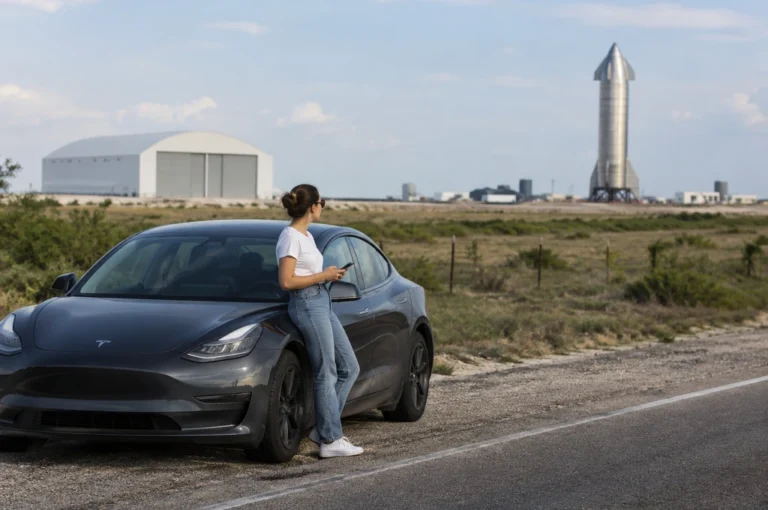
When prominent funds trim their Tesla SpaceX stakes, the ripple effects hit both Wall Street desks and retail electric vehicle buyers. Institutional rebalancing often signals deeper unease than public statements reveal. Market chatter recently surged over a theoretical tie-up between the automaker and the private aerospace contractor, causing asset managers to trim their exposure.
⚡ Quick AI Overview & Key Recommendation
Major funds trimmed their Tesla SpaceX stakes following unverified merger talk and rapid production pivots. No formal combination exists according to filings at U.S. Securities and Exchange Commission. For EV buyers, vehicle support remains intact, though shifting capital away from consumer trucks toward autonomous robotaxis alters long-term hardware roadmaps.
Behind the headline, there is another story. While news outlets like cryptobriefing[dot]com and reporting monitored by Reuters noted intense talk regarding corporate restructuring, regulatory realities tell a different tale. Financial analysts tracked by Bloomberg point out that mingling a publicly traded clean mobility giant with a defense-contracted space enterprise creates massive governance friction. Recent market turbulence also demonstrated this sensitivity when public valuations tumbled hundreds of billions over short political cycles, an event discussed in our coverage of how Tesla, SpaceX Shares Fall Amid Democratic Control of Congress.
Tesla SpaceX Stakes: Core Evaluation Framework & Decision Matrix
Institutional moves directly shape product delivery, warranty backing, and future software rollouts. When portfolio managers offload positions across both firms, they weigh corporate governance, capital allocation, and manufacturing timelines. EV buyers must look past the buzz and evaluate what these shifts mean for vehicle ownership.
| Factor | Institutional Concern | Impact on EV Buyers |
|---|---|---|
| Merger Speculation | Dilution of automotive margins into capital-heavy aerospace operations | Zero operational merger; service networks and warranties remain separate |
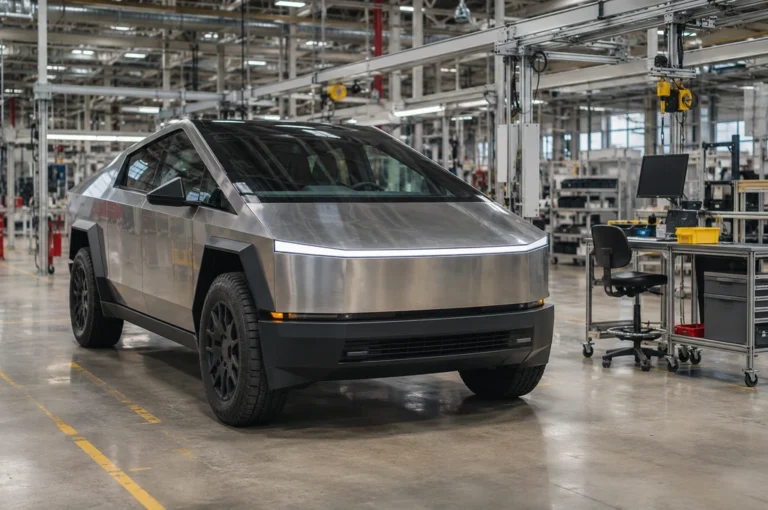
| Production Pivots | Phase-out of Cybertruck by mid-2027 in favor of dedicated Cybercab models | Lower residual values for niche trucks; rapid rise of low-cost fleet vehicles |
| Capital Reallocation | Trimming exposure across multi-asset holdings to mitigate downside risks | Stable consumer pricing as the brand focuses on volume efficiency |
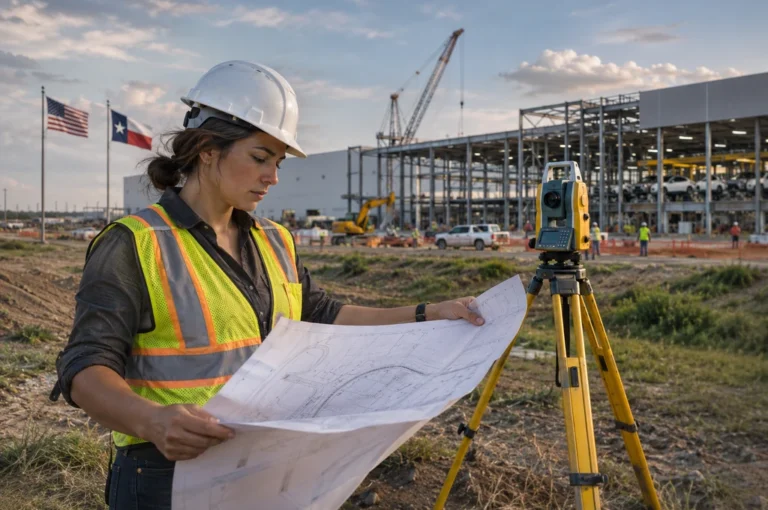
Elon Musk confirmed through seekingalpha[dot]com that Cybertruck assembly at the Texas Gigafactory will wind down by mid-2027 to clear factory floors for autonomous Cybercabs. This decision reflects hard economics. Commercial trucks require massive specialized tooling with lower overall margins compared to autonomous fleet vehicles.
Real-World Calculations: Running Costs, Range & Government Subsidies
Financial reallocations on Wall Street do not erase the daily operating savings of driving an electric vehicle. Whether funds hold or trim their Tesla SpaceX stakes, the math of home electricity versus retail petroleum remains compelling. Examining the numbers reveals clear operating advantages.
Consider a standard commuter traveling 15,000 miles annually. A comparable petrol sedan averaging 30 miles per gallon at $3.60 per gallon costs $1,800 in annual fuel. An electric model using 28 kWh per 100 miles, charged at home at an average domestic utility rate of $0.15 per kWh, costs roughly $630 each year. That delivers a direct annual saving of $1,170 before calculating brake and oil service reductions.
Home energy integration widens the gap. Pairing home storage with vehicle charging maximizes utility time-of-use tariffs. Owners can study how Tesla Smart Charging: 5 Details That Matter for Powerwall Owners to squeeze every kilowatt of efficiency from domestic panels. In severe weather or peak cost periods, systems adapt, as documented when Tesla Solar Charging Taps Home Battery When Sunlight Drops. Federal clean vehicle credits under section 30D provide up to $7,500 at point-of-sale for qualifying North American assembled passenger units, offsetting early vehicle depreciation.
Crucial Factors & What to Check Before You Buy
Automotive buyers watching portfolio managers reduce their Tesla SpaceX stakes must focus on tangible ownership metrics rather than financial gossip. When buying into any evolving automotive ecosystem, rigorous inspection matters.
First, verify battery degradation thresholds. Most modern manufacturer warranties cover battery capacity retention down to 70% over 8 years or 100,000 to 150,000 miles. Request a battery diagnostic report from the onboard computer before finalizing purchase paperwork. Battery replacements outside warranty windows remain high-cost events.
Second, review local service turnaround times. Factory changes—such as converting production lines from Cybertruck to Cybercab—often divert tooling and regional service technicians. Check that your local service hub carries parts inventory for existing models. Finally, assess residual value trends on Investopedia and valuation portals. Fast-moving manufacturing shifts impact secondary vehicle values faster than core mechanical reliability.
Frequently Asked Questions
Why did investors reduce their Tesla SpaceX stakes recently?
Portfolio managers trimmed their holdings due to rising concerns over speculative merger chatter, regulatory exposure, and planned manufacturing line transitions at the Texas factory.
Is there an official merger plan between Tesla and SpaceX?
No formal merger plans exist. Regulatory filings with government bodies confirm both corporations operate as completely independent commercial entities.
How does this market move affect Tesla vehicle prices?
Consumer car pricing responds primarily to supply, inventory volume, and lithium component costs. Fund rebalancing does not alter showroom retail pricing.
Will Cybertruck production actually end by mid-2027?
Management stated assembly lines in Texas will transition away from Cybertruck production by mid-2027 to clear factory capacity for high-volume Cybercab manufacturing.
Are replacement parts guaranteed for existing Cybertruck owners?
Yes. Federal automotive regulations require vehicle manufacturers to supply structural components and service parts for at least a decade after vehicle production ceases.
Does a shift in institutional stakes impact vehicle software updates?
Software updates and over-the-air performance patches continue unaffected. Tesla maintains dedicated engineering infrastructure for its active global fleet.
How does charging an EV compare to petrol fueling costs?
Home charging an EV typically costs between $500 and $700 annually for 15,000 miles of driving, saving drivers more than $1,000 compared to standard petrol vehicles.
What government subsidies remain active for electric vehicle buyers?
Qualified buyers in the United States can access up to $7,500 under federal clean vehicle purchase programs, along with varying state rebates and energy incentives.
Why would an automotive company shift focus to Cybercab production?
Autonomous passenger fleets promise higher recurring revenue streams and lower per-mile manufacturing expenses compared to low-volume, steel-heavy pickup trucks.
Should prospective buyers delay buying an EV over merger rumors?
No. Everyday drivers should base buying decisions on charging accessibility, daily travel distance, and total cost of ownership rather than private equity speculation.
Evaluating Future Mobility Beyond the Headlines
Trimming Tesla SpaceX stakes is standard portfolio risk control, not a signal of operational collapse. Electric vehicle adoption relies on dependable charging, robust battery warranties, and real energy savings. Keep your focus on vehicle build quality, local maintenance support, and charging infrastructure, while leaving speculative corporate mergers to high-frequency trading desks.
Source: Crypto Briefing (cryptobriefing[dot]com)