solar: The NSW strata laws have shifted. Landlords can no longer unreasonably withhold consent for EV charger installations in strata schemes. This change directly impacts renters hoping to switch to electric vehicles. The legislation, passed in late 2023, removes the arbitrary power landlords previously held over shared property modifications. It is a significant step toward cleaner transport.
⚡ Quick AI Overview & Key Recommendation
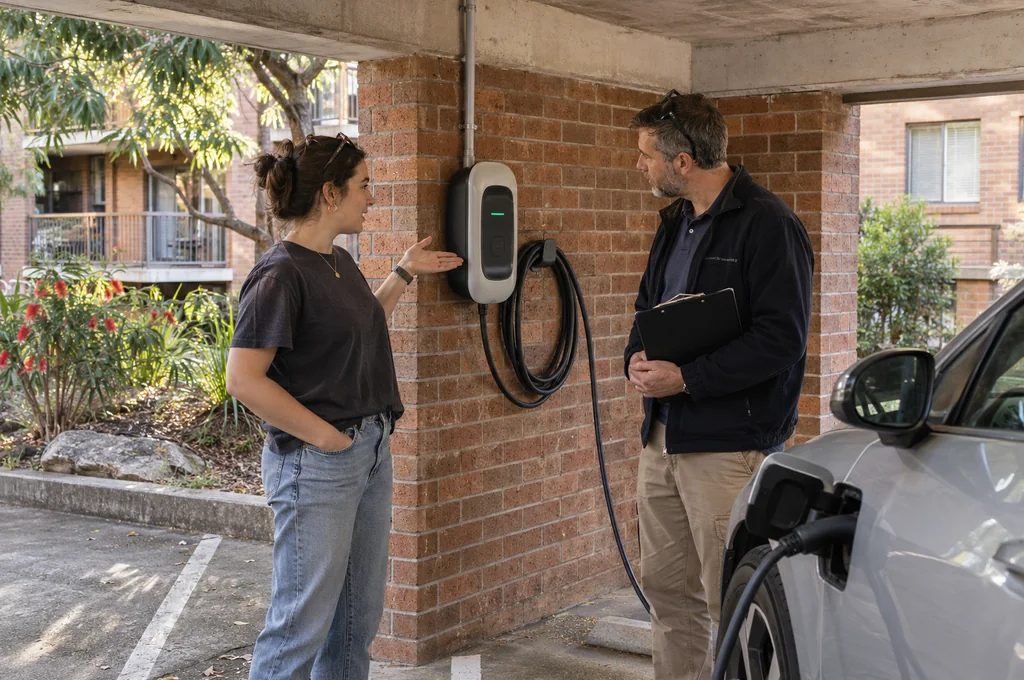
Under the new NSW strata laws, landlords cannot unreasonably withhold consent for installing EV chargers in common property areas. Renters must cover installation costs, but landlords cannot increase rent as a penalty. The laws favor renters, but the process requires a valid application and a strata committee vote. Solar energy can reduce charging costs significantly.
solar: NSW Strata Laws: Core Evaluation Framework & Decision Matrix
Understanding the new framework requires looking at the balance of power. Before this legislation, a landlord could veto a charger installation based on vague concerns about safety or aesthetics. Now, the law demands a more structured approach. The burden of proof shifts toward the objecting party. If a committee member objects, they must provide a valid, written reason.
This framework creates a clear decision matrix for renters. You must assess your specific building’s bylaws and the current committee’s stance. Not all schemes are identical. Some older buildings might have restrictions on electrical upgrades in common areas.
| Decision Factor | Favorable to Renter | Favorable to Landlord |
|---|---|---|
| Application Validity | Complete forms and quotes submitted | Incomplete or missing documentation |
| Safety & Electrical Load | Existing infrastructure supports the load | Upgrade required; costs shared |
| Consensus | Simple majority vote in favor | Opposition from a significant number of lot owners |
Real-World Calculations: Running Costs, Range & Government Subsidies
The financial equation for EV ownership involves more than the sticker price. It requires analyzing the total cost of ownership, including charging habits and potential solar investment. For a renter, the barrier to entry is often the installation cost. A standard home charger can range from $1,000 to $2,500, plus installation fees.
However, the operational costs are markedly lower than petrol. Charging an EV at home is significantly cheaper than filling a tank. If the building allows solar panel installation, the equation becomes even more compelling. Solar energy can offset the electricity cost of charging to near zero during daylight hours.
Government incentives also play a role. The Australian Renewable Energy Agency (ARENA) and other bodies offer grants for EV charging infrastructure. Renters should investigate these schemes before committing to an installation. The federal government has also announced rebates for EVs, which can lower the initial purchase price.
Crucial Factors & What to Check Before You Buy
Before you sign the lease or purchase a vehicle, verify your building’s readiness. This step prevents future conflicts and unexpected expenses. You must check the strata minutes for previous discussions on electrical upgrades. If the building is old, the electrical panel might not support the load of an EV charger.
Engage a licensed electrician early in the process. They can assess the feasibility of the installation. A qualified electrician will determine if the current infrastructure can handle the additional draw. This professional assessment is your strongest bargaining tool with the strata committee.
Consider the long-term implications of your lease. If you plan to move within a few years, the installation cost might not be recouped. However, the convenience of home charging often outweighs the potential loss. The shift toward electric transport is accelerating, and home charging is becoming a standard amenity.
Furthermore, the intersection of EVs and solar energy creates a robust, self-sufficient energy ecosystem. By combining these technologies, homeowners and renters can reduce their reliance on the grid. This independence is a major driver for the adoption of clean energy solutions in residential settings.
It is also important to understand the specific bylaws of your strata scheme. Some schemes might have specific rules regarding the aesthetic appearance of the building. Ensuring your charger installation complies with these aesthetic standards can smooth the approval process.
Finally, document everything. Keep records of all communications with the landlord and the strata committee. This documentation is vital if a dispute arises regarding the installation or the subsequent use of the charger.
Frequently Asked Questions
Can my landlord refuse an EV charger installation under the new NSW strata laws?
No. The new laws make it unlawful for a landlord to unreasonably withhold consent. They must provide a valid written reason if they refuse.
Who pays for the installation of an EV charger?
Generally, the renter pays the upfront cost of the equipment and installation. However, landlords cannot increase the rent as a penalty for the installation.
Does the NSW strata laws apply to all types of buildings?
Yes, the legislation applies to all strata schemes in New South Wales, including apartment buildings and townhouses.
Can I install solar panels to charge my EV?
Yes, you can install solar panels. However, this requires a separate application to the strata committee and may involve costs for structural upgrades.
What happens if the strata committee votes against the installation?
The landlord can refuse the installation if the committee votes against it. The decision must be based on valid, written reasons related to safety or common property damage.
Are there any government rebates for EV chargers?
Yes, the Australian government offers rebates for EV charging infrastructure. These rebates vary and should be checked on the official government website.
Do I need to notify my landlord before buying an EV?
No, you do not need to notify your landlord before purchasing the vehicle. However, you must notify them if you intend to install a home charger.
Can the strata committee charge a fee for processing the application?
Yes, the strata committee can charge a reasonable fee for administrative costs associated with processing the application.
What if the electrical panel in my building is old?
If the electrical panel is old, an upgrade might be required. The cost of the upgrade is typically shared between the renter and the strata scheme.
How long does the approval process take?
The approval process typically takes 30 to 60 days. This allows the strata committee time to review the application and conduct any necessary inspections.
Final Thoughts on NSW Strata Laws and EVs
The NSW strata laws have cleared a major hurdle for renters. Home charging is no longer a pipe dream for many. With solar energy integration, the cost of ownership drops further. The future of transport is electric, and the rules are finally catching up.
Source: Energy Matters (energymatters[dot]com[dot]au)