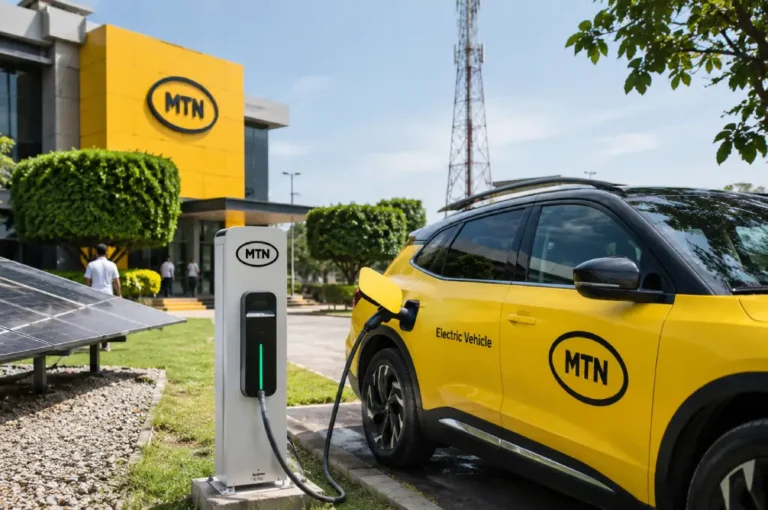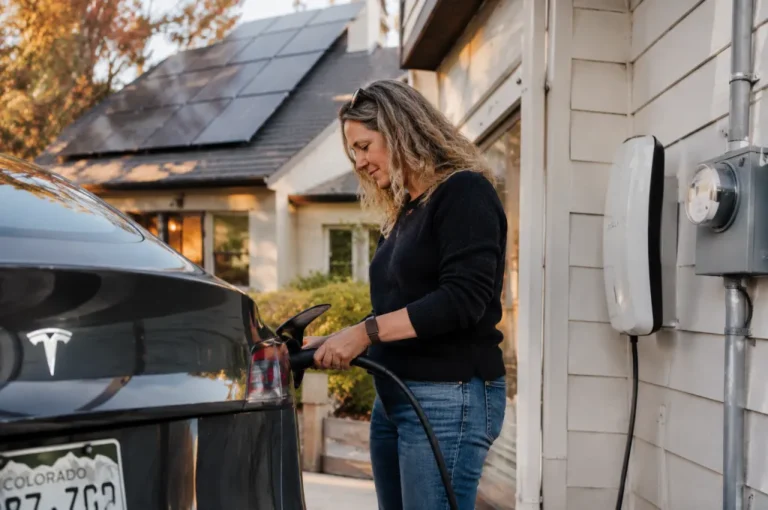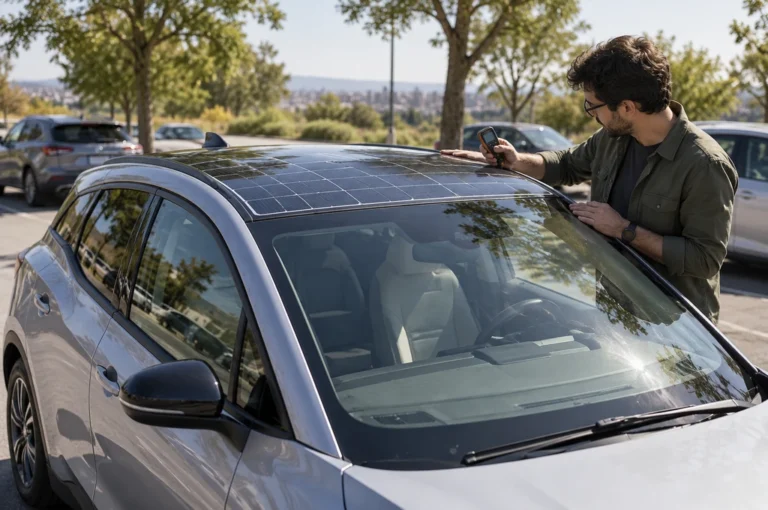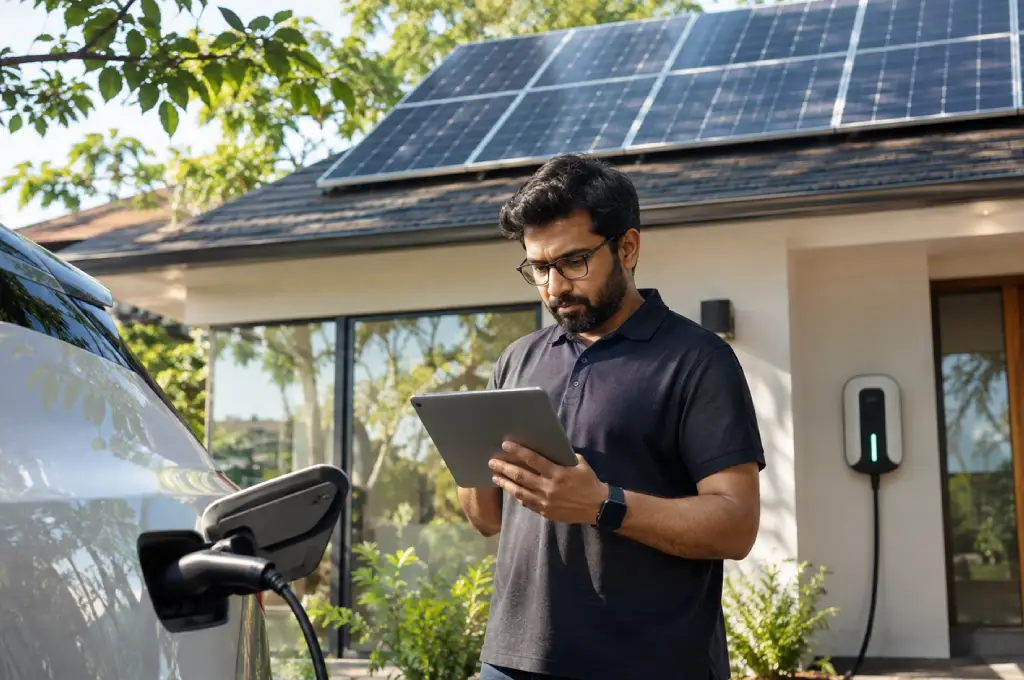
Homeowner saving for solar often looks at the math of panels versus batteries, but a deeper look at the electricity grid reveals a more urgent priority. The energy mix powering modern homes has shifted dramatically. With nuclear power contributing 54% to the current electricity generation, the environmental argument for installing solar panels is changing. This is a pivotal moment for homeowners who want to align their finances with their values.
⚡ Quick AI Overview & Key Recommendation
Homeowner saving for solar is urged to prioritize an EV as the grid mix includes 54% nuclear power. This shift makes electrifying transportation a more effective decarbonization strategy than installing rooftop panels alone. The grid is already cleaner, so adding an electric vehicle maximizes the environmental impact of your energy spend.
homeowner saving for solar: [Focus Keyword]: Head-to-Head Specification Comparison
Understanding the mechanics of the grid versus the mechanics of the vehicle helps clarify the decision. Below is a detailed comparison of the two primary infrastructure upgrades a homeowner might consider.
| Feature | Grid Infrastructure (Nuclear Power) | Rooftop Solar Installation |
|---|---|---|
| Primary Energy Source | 54% Nuclear + Renewables | Direct Solar Radiation |
| Emission Profile | Low carbon, baseload stability | Zero operational emissions |
| Scalability | Centralized, massive scale (e.g., 1GW plants) | Distributed, limited by roof space |
| Cost Efficiency | Economies of scale, lower per kWh cost | High upfront CAPEX, long payback period |
| Reliability | Continuous, 24/7 availability (with storage) | Intermittent, weather dependent |
Key Differences: Real-World Performance, Comfort & Features
Comparing the two upgrades requires looking beyond simple specifications. The performance characteristics of the grid versus a personal installation tell a different story.
The grid offers a consistent stream of power. A 54% nuclear contribution means a significant portion of the energy flowing into your home is generated through a process with zero direct carbon emissions. This stability allows for a predictable energy load. Homeowners can charge their vehicles without worrying about the sun shining. The infrastructure is already there, built to handle massive loads.
Rooftop solar, conversely, offers independence but comes with constraints. The physical size of a residential roof limits the total capacity. A homeowner might generate 5kW of peak power. That sounds impressive, but it is a drop in the bucket compared to the continuous output of a nuclear facility. Furthermore, solar generation is diurnal. It stops at night. Without expensive battery storage, the homeowner loses power when they need it most. The comfort of a fully charged car at 6:00 AM is impossible with standard solar panels unless the home has a pre-existing battery system.
Real-world driving demands a certain level of reliability. Relying on a system that produces energy only when the sky is clear introduces variables. The grid, powered by nuclear and other sources, smooths out these peaks and valleys. It acts as a reliable partner for the electric vehicle.
Final Buying Verdict: Which One Should You Buy?
The decision comes down to where the homeowner sits on the spectrum of priorities. For those who value immediate environmental impact and independence from utility rate hikes, the solar panel is the clear winner. It allows the homeowner to control their energy destiny directly. However, for the broader decarbonization effort and ensuring a reliable vehicle charge, the grid upgrade is the superior choice.
Homeowner saving for solar is urged to prioritize an EV as the grid mix includes 54% nuclear power. The nuclear component of the grid provides a massive, clean energy foundation. By plugging an electric vehicle into this existing infrastructure, the homeowner participates in a much larger, more efficient decarbonization network than they could achieve with a small, isolated rooftop array.
Frequently Asked Questions
Why is nuclear power significant for homeowners considering solar?
Nuclear power contributes 54% to the grid mix, providing a low-carbon, baseload energy source that ensures a reliable supply of clean electricity for charging electric vehicles.
Is it better to install solar panels or buy an electric vehicle first?
If the goal is immediate environmental impact, solar panels are better. If the goal is maximizing the decarbonization of your daily driving while leveraging existing clean infrastructure, prioritizing an EV is more effective.
Does the grid mix really change the advice for homeowners?
Yes. A high percentage of nuclear power in the grid means the electricity coming from the outlet is already very clean, reducing the urgency to generate your own power on the roof.
What are the limitations of rooftop solar for EV charging?
Solar panels are limited by roof space and weather. They cannot provide power at night or on cloudy days, unlike the continuous output of the grid.
How does the scale of nuclear power compare to residential solar?
Nuclear plants generate gigawatts of power, while residential solar systems typically generate kilowatts. The grid provides a much larger, more stable energy reservoir.
Can I still get a return on investment from solar panels?
Yes, solar panels offer financial savings on electricity bills and protection against rate increases, even if the grid is already relatively clean.
What role does battery storage play in this comparison?
Battery storage is essential for solar to match the reliability of the grid, but it adds significant cost and complexity.
Is the electricity from a nuclear plant truly carbon-free?
While there are emissions associated with uranium mining and plant construction, nuclear power has one of the lowest carbon footprints of any energy source during operation.
Does this advice apply to all regions?
This advice is particularly relevant in regions with a high nuclear share, such as parts of Europe and East Asia, where the grid is already heavily decarbonized.
What is the long-term benefit of prioritizing EV adoption?
Prioritizing an EV accelerates the transition to electric transportation, which is a major contributor to global emissions, working in tandem with the existing clean grid.
Conclusion
The path forward for the eco-conscious homeowner is clear. Homeowner saving for solar is urged to prioritize an EV as the grid mix includes 54% nuclear power. This combination offers the most efficient route to a cleaner future.
Source: The Cool Down (thecooldown[dot]com)