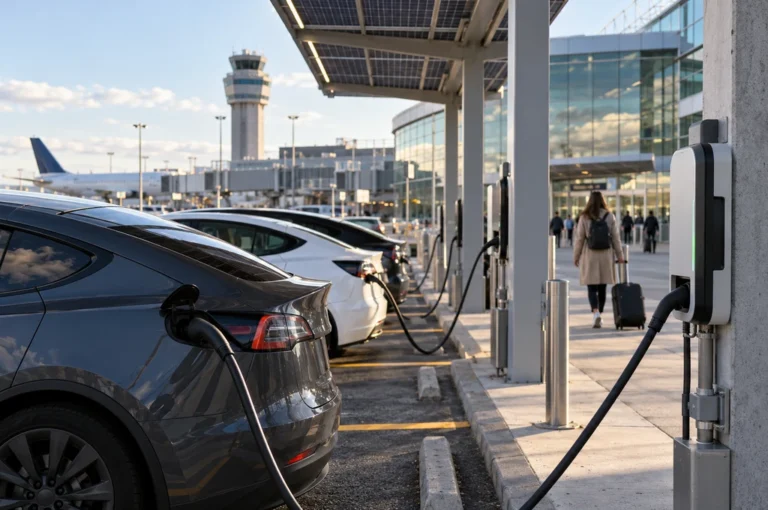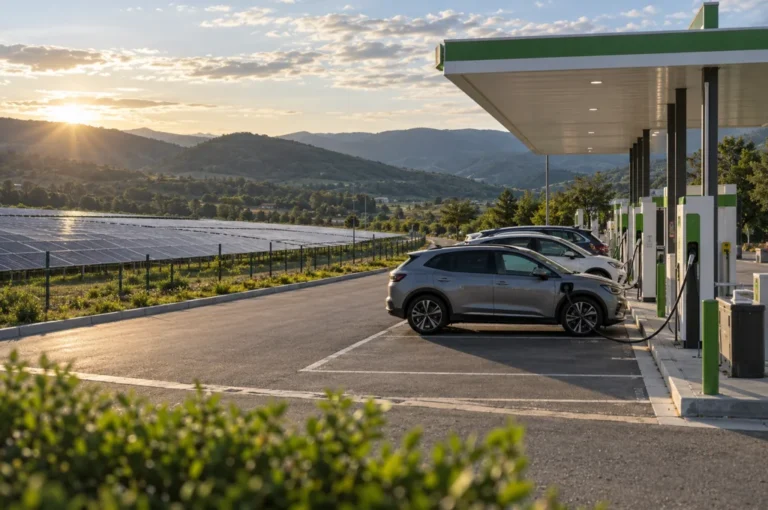
Electric mobility is reshaping the energy landscape. It is not just about moving cars. It is about stabilizing power grids and storing clean energy. The intersection of electric vehicles, solar panels, and battery storage creates a powerful feedback loop. This synergy helps manage the volatility of renewable energy sources like the sun.
⚡ Quick AI Overview & Key Recommendation
Electric mobility supports solar and storage by using vehicle batteries as mobile power banks. This stabilizes the grid and lowers costs. To maximize value, homeowners should pair solar panels with smart EV chargers and storage systems. This approach ensures clean energy usage and reduces peak demand charges.
solar: Electric Mobility: Key Highlights & Market Impact
The market is shifting. The chaos in global energy markets has forced a re-evaluation of how we store and use power. Electric mobility acts as a stabilizer. It offers a flexible resource that can absorb excess solar energy when the sun shines and release it when the grid is strained.
Recent developments highlight this trend. Companies are launching products specifically designed to bridge the gap between solar generation and EV consumption. The goal is simple: use the car battery to store the sun’s power. This reduces reliance on the main power grid and lowers electricity bills. It also ensures that renewable energy is used efficiently, even when the sun is not shining.
Detailed Breakdown: What Caused This Shift
The push for integration stems from two main factors. First, the cost of solar and storage has dropped. Second, the number of electric vehicles on the road has surged. These factors have created a perfect storm for innovation.
Utilities are facing challenges with peak demand. Traditional power plants struggle to meet the sudden spikes in energy use. Electric vehicles offer a solution. They can be charged during off-peak hours using stored solar energy. This flattens the load curve on the grid.
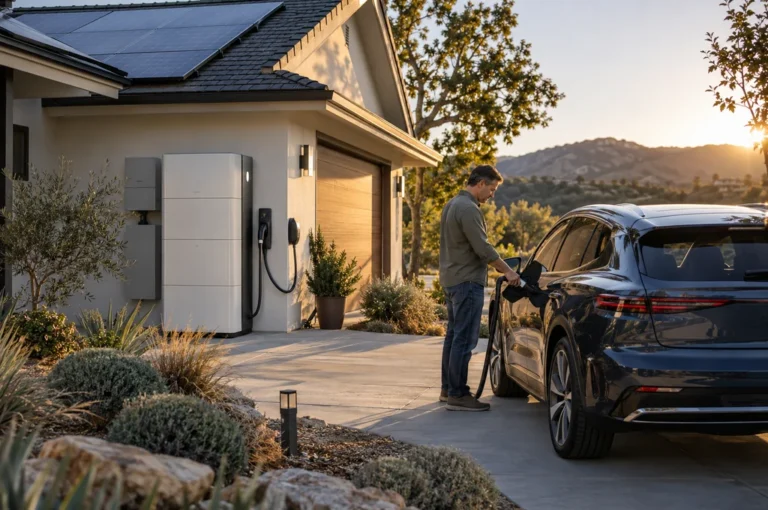
Residential Integration: Homeowners are now looking for ways to optimize their energy usage. This has led to the rise of integrated systems. These systems manage the flow of energy between solar panels, home batteries, and electric vehicles.
Smart Management: Advanced software is essential. It schedules charging times to maximize the use of solar power. It also ensures that the home has enough battery backup during outages. This creates a resilient energy ecosystem.
What This Means for Readers & Future Outlook
For the average consumer, the benefits are clear. You can charge your car using the sun. You can save money on electricity. You can contribute to a cleaner environment.
However, there are challenges. The technology must be user-friendly. The costs must remain competitive. The infrastructure must support the increasing number of vehicles.
Looking ahead, the trend is toward greater integration. We will see more smart chargers. We will see more bi-directional charging capabilities. This will allow cars to power homes and vice versa. The future is decentralized. The future is powered by the sun and the electric mobility revolution.
| Component | Primary Function | Impact on Value |
|---|---|---|
| Solar Panels | Generates clean electricity from sunlight | Reduces reliance on fossil fuels and lowers energy costs |
| Electric Vehicles | Stores energy and provides transportation | Acts as a mobile battery to stabilize the grid |
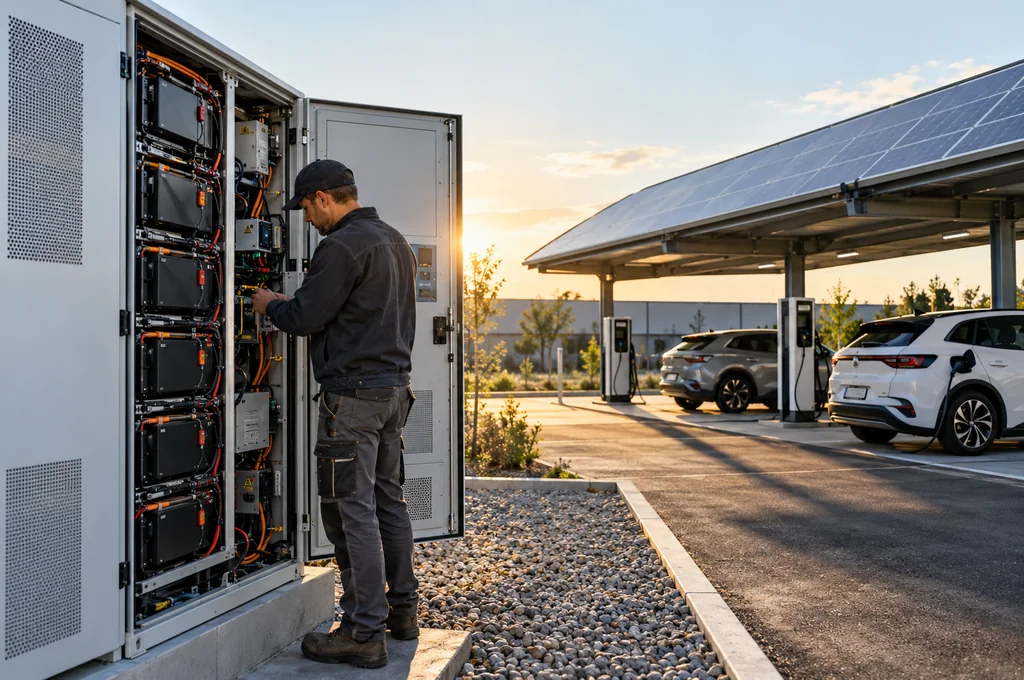
| Home Storage | Stores excess solar energy for later use | Ensures energy availability during peak times or outages |
Frequently Asked Questions
How does electric mobility support solar energy systems?
Electric vehicles store large amounts of energy in their batteries. This allows them to absorb excess solar power generated during the day, which would otherwise go to waste.
Can I use my electric vehicle to power my home?
Yes, with bi-directional charging technology, your EV can discharge power back to your home to run appliances during a blackout or peak demand hours.
What is the benefit of smart EV charging management?
Smart management systems schedule charging to use only the cleanest energy available, often from solar panels, and avoid charging when grid demand is highest.
Is solar-powered EV charging feasible for everyone?
It is increasingly feasible as solar panel costs drop and home battery storage becomes more affordable and integrated with EV charging stations.
How does this integration affect grid stability?
By smoothing out energy demand, electric mobility helps utilities avoid brownouts and reduces the need for expensive peaker power plants.
What is bi-directional charging?
Bi-directional charging allows electricity to flow in both directions between the vehicle and the grid, turning the car into a flexible energy resource.
Will this reduce my electricity bills?
Yes, using stored solar energy to charge your vehicle instead of grid power significantly reduces your overall energy costs.
What role do battery storage systems play?
Home battery storage systems capture solar energy when it is produced and release it when needed, ensuring a continuous power supply.
Are there government incentives for this technology?
Many governments offer tax credits and rebates for installing solar panels, battery storage, and electric vehicle charging equipment.
What is the future outlook for this technology?
The future looks promising with advancements in AI and smart grid technology, leading to even more efficient and integrated energy systems.
Conclusion
The synergy between electric mobility and solar energy is undeniable. It creates a robust system that supports the transition to a sustainable future. By leveraging this technology, we can achieve energy independence and a cleaner planet.
Source: pv magazine Global (pv-magazine[dot]com)