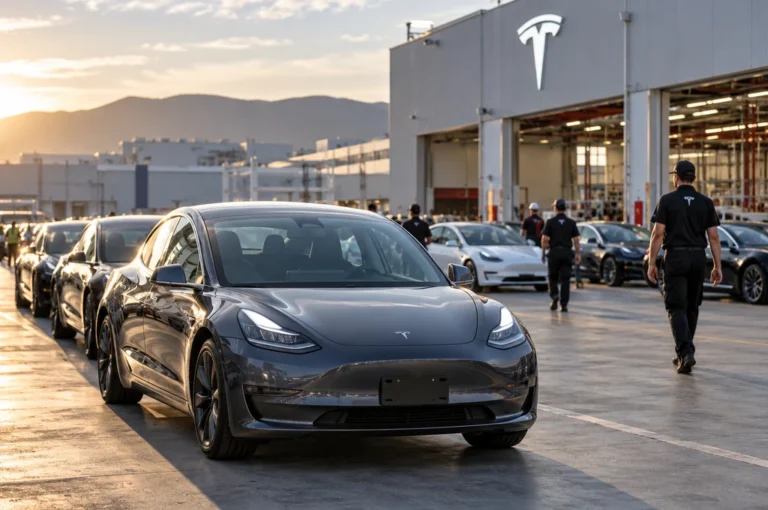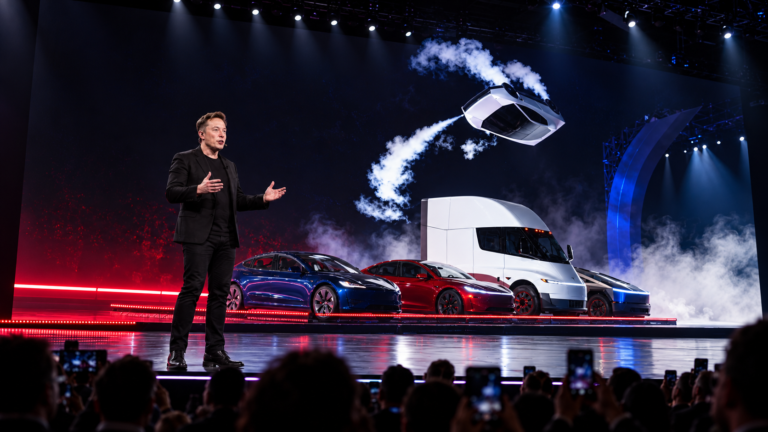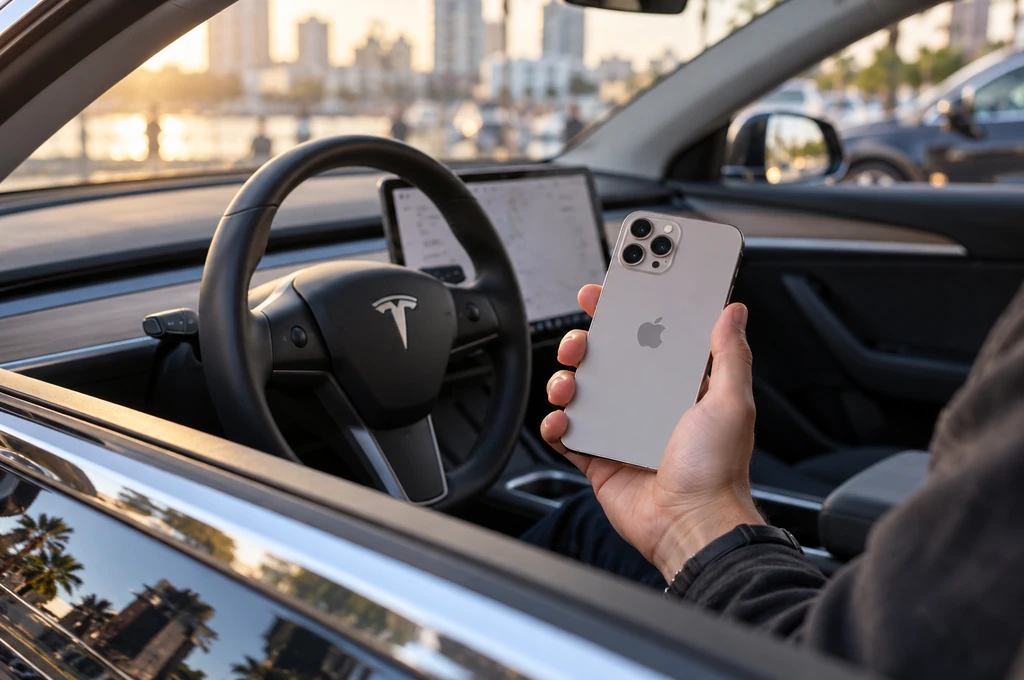
Analyzing Tesla vs Apple AI monetization reveals an uncomfortable truth across both consumer electronics and automotive sectors. Wall Street expected instant windfalls from generative algorithms, yet both giants struggle to convert raw algorithmic compute into steady cash flow. The financial debate highlighted by 247wallst[dot]com and aol[dot]com exposes how lofty enterprise promises collide with real consumer resistance.
⚡ Quick AI Overview & Key Recommendation
Apple holds the monetization edge over Tesla due to 2.2 billion active device users ready for subtle service upsells. Tesla ties AI returns to high-stakes autonomous vehicle software facing safety scrutiny, expensive compute infrastructure, and declining automotive gross margins.
Elon Musk positions his vehicle manufacturing firm as an AI robotics leader rather than a traditional carmaker. His bet relies on autonomous software packages sold upfront or via monthly subscriptions. Meanwhile, Apple relies on Apple Intelligence features to force device refresh cycles. For investors tracking market data on Bloomberg, both strategies carry massive capital expenditure risks without guaranteed payoffs.
Tesla vs Apple AI Monetization: Head-to-Head Specification Comparison
Understanding where capital leaks requires examining how each company delivers machine learning features to retail consumers. Tesla links its returns to road vehicles, while Apple embeds machine intelligence directly into portable handheld silicon. Recent market filings with the U.S. Securities and Exchange Commission document billions poured into bespoke data centers.
| Metric / Specification | Tesla AI Ecosystem | Apple AI Ecosystem |
|---|---|---|
| Primary Monetization Asset | Full Self-Driving (FSD) Software | Apple Intelligence & Siri Suite |
| Customer Entry Cost | $8,000 purchase or $99/month | Included with $799+ hardware |
| Core Compute Hardware | Dojo clusters & NVIDIA H100 arrays | Private Cloud Compute & M-Series chips |
| Regulatory Scrutiny Level | NHTSA vehicle safety investigations | EU antitrust and data privacy reviews |
| Recurring Revenue Model | Monthly autonomous driving access | iCloud+ integration and App Store cuts |
| Direct Revenue Contribution | Under 5% of total automotive revenues | Blended inside $85B+ annual services |
Tesla struggles because Full Self-Driving remains a non-essential add-on for cost-conscious car buyers. When vehicle sales slow down, software take-rates drop in tandem. Read our detailed Tesla Earnings Preview: Grounded Automotive Margins Confront Flying Car Ambitions to understand how automotive price wars erode operating margins.
Key Differences: Real-World Performance, Comfort & Features
Tesla approaches autonomy with brute computational force. The company processes massive video fleets to train neural nets for unsupervised driving. When it works, the driving experience feels remarkable. But system disengagements mean consumers still hesitate to pay recurring fees. A recent brand promo showed Grok creating commercial content, yet marketing gimmicks do not fix software adoption curves.
Apple integrates generative assistance directly into everyday communications. Writing tools, photo cleanup, and automated notifications require zero user setup. Device owners do not pay an explicit fee to use basic tools. Instead, Apple monetizes by cutting access to older iPhones. A consumer who wants on-device processing must purchase the latest flagship phone. Financial reporters at Reuters note this hardware cycle remains Apple’s primary revenue driver.
Tesla faces brutal capital demands. Running gigawatt-scale data clusters costs billions annually. While Tesla Solar Stunt Proves Renewable Power Can Anchor Fleet Hubs demonstrated clean energy viability, powering server farms eats free cash flow. Apple shifts significant compute load directly onto client devices, keeping server overhead lower. This architectural difference defines their operational profitability.
Final Buying Verdict: Which One Should You Buy?
From an investor standpoint, assessing the Tesla vs Apple AI monetization balance comes down to regulatory risk and execution velocity. Neither firm has built a seamless cash machine yet, but their vulnerabilities differ sharply.
- Buy Apple if you value steady cash generation through device upgrade cycles, lower regulatory exposure, and a captive user ecosystem that tolerates slow rollout schedules.
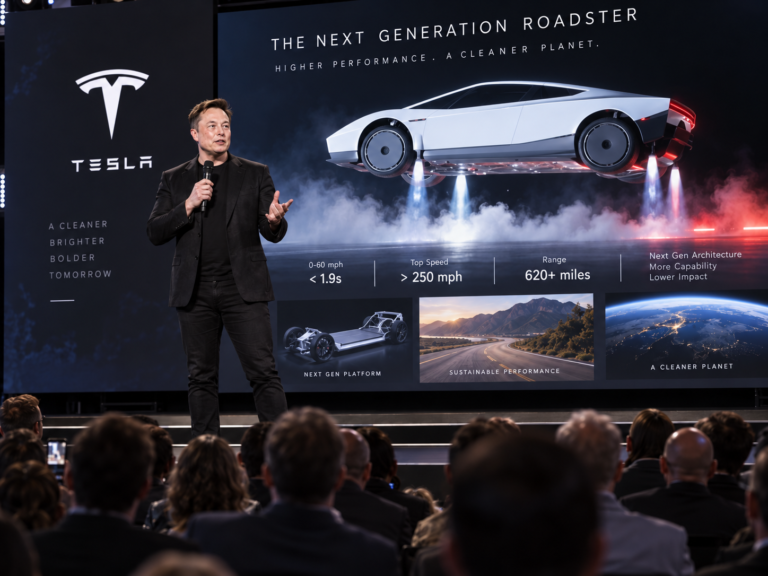
- Buy Tesla if you believe full unsupervised vehicle autonomy will receive regulatory approval, unlocking high-margin software fleets and robotaxi revenues. Musk also pursues extreme performance platforms, as seen when Elon Musk Targets 380 MPH for the New Tesla Roadster to maintain consumer hype.
Apple builds predictable service revenue. Tesla pursues high-risk binary outcomes. Today, Wall Street penalizes Tesla far more heavily for slow software execution.
Frequently Asked Questions
What is the primary difference in Tesla vs Apple AI monetization?
Tesla monetizes AI through direct software sales like Full Self-Driving subscriptions for its vehicles. Apple monetizes AI indirectly by driving hardware replacement cycles and bundling cloud storage tiers.
How much does Tesla charge for Full Self-Driving?
Tesla currently charges $8,000 for upfront Full Self-Driving capability in the United States, or an ongoing monthly subscription fee of $99 depending on previous hardware configurations.
Does Apple charge users for Apple Intelligence features?
Apple does not charge a separate monthly fee for basic Apple Intelligence features. The company monetizes by requiring consumers to buy newer hardware running A17 Pro or M-series silicon.
Why is Tesla struggling with software monetization?
Tesla faces low consumer take-rates for autonomous features due to regulatory scrutiny, safety investigations, and customer reluctance to pay recurring software fees on passenger cars.
How does server compute cost impact both companies?
Tesla absorbs massive server expenses running large neural training clusters in central facilities. Apple offloads a significant portion of generative processing directly onto consumer device processors.
Can Tesla launch an autonomous robotaxi fleet soon?
Tesla continues testing its unsupervised software architecture, but full commercial robotaxi deployments face extensive regulatory approvals, safety verification hurdles, and liability questions.
Will Apple introduce paid AI subscription tiers in the future?
Industry analysts suggest Apple may bundle advanced generative capabilities into its iCloud+ or Apple One subscription tiers once third-party server compute requirements increase.
How do slowing EV sales affect Tesla software revenue?
Lower vehicle delivery numbers directly compress the addressable customer base for optional Full Self-Driving packages, lowering high-margin software income across quarterly balance sheets.
Which company holds higher gross margins on AI products?
Apple maintains superior gross margins across its services division, exceeding 70 percent, whereas Tesla automotive gross margins face compression from factory investments and vehicle price discounting.
Is Tesla or Apple worse at AI monetization today?
Tesla performs worse at immediate monetization because its software revenue is tied to regulatory approvals and optional purchases, while Apple effortlessly leverages its existing device ecosystem.
Verdict on Tech Monetization
Evaluating the Tesla vs Apple AI monetization race reveals that while Apple can quietly subsidize intelligence tools through high-margin hardware upgrades, Tesla must convince cautious motorists to fund an unfinished autonomous vehicle future.
Source: 24/7 Wall St. (247wallst[dot]com)