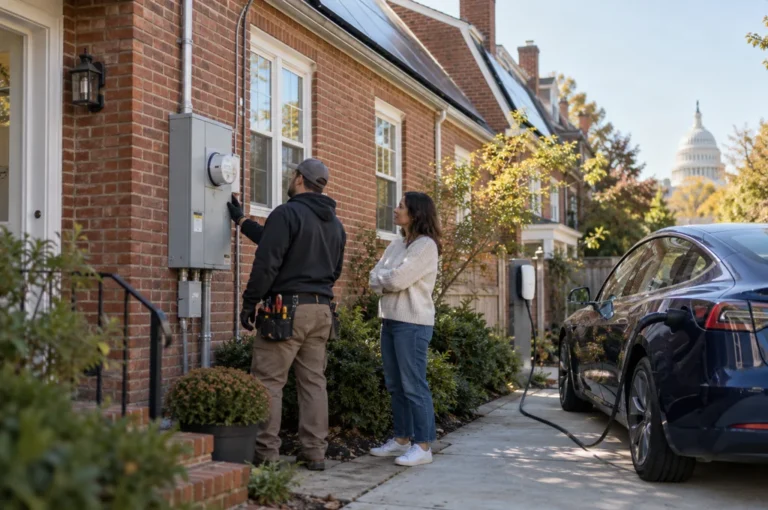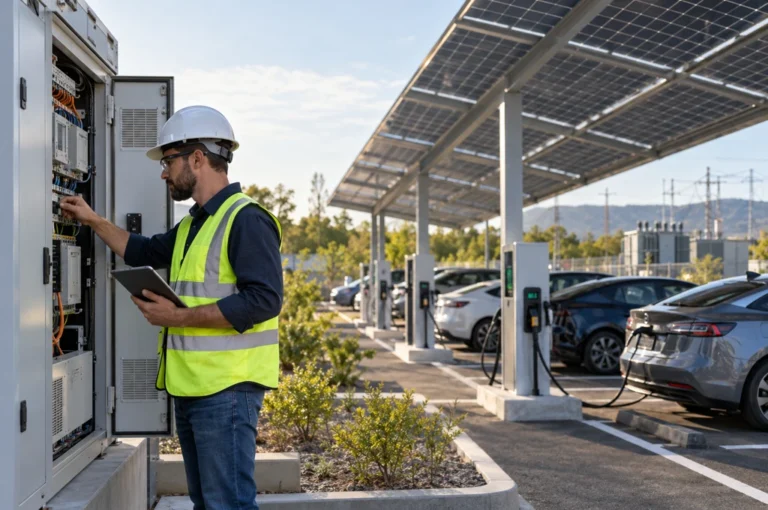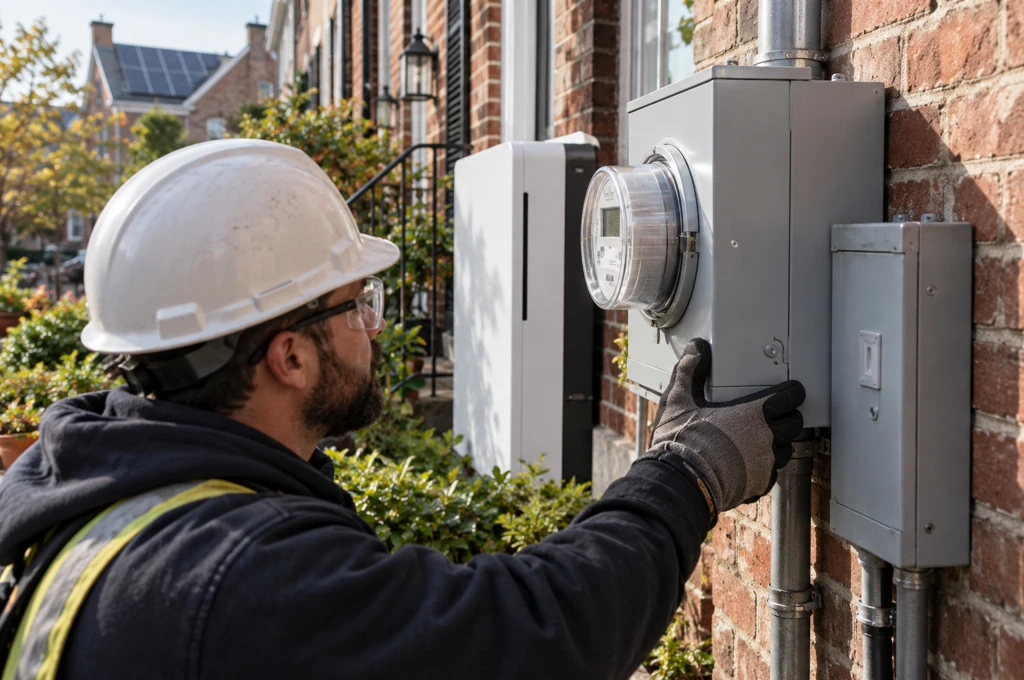
Pepco DC approves ConnectDER meter collars across the District of Columbia, removing one of the biggest structural bottlenecks for rooftop solar energy systems. Homeowners frequently run into electrical capacity hurdles when adding solar panels, home batteries, and vehicle chargers to older residences. This regulatory clearance allows contractors to tap clean generation directly at the utility meter socket.
⚡ Quick AI Overview & Key Recommendation
Pepco DC approves ConnectDER meter collars to streamline clean power interconnection. The decision bypasses main electrical service panel replacements, saving property owners thousands of dollars while trimming solar and battery installation timelines from months to days across Washington, D.C.
solar: Pepco DC Approves ConnectDER Meter Collars: Key Highlights & Market Impact
Urban solar deployment in older cities often hits an invisible wall. According to industry tracking by indexbox[dot]com and utility filings reported by prnewswire[dot]com, electric utility Pepco has formally cleared meter socket adapters developed by ConnectDER for residential distributed energy resources. By mounting directly between the electric meter and the utility socket, these devices route alternating current straight to the grid line.
The impact on installation economics is immediate. A traditional service panel replacement typically costs between $2,500 and $5,000. It requires invasive drywall cuts, heavy wire pulling, and lengthy permit sign-offs by municipal inspectors. Because Pepco DC approves ConnectDER meter collars, installers can bypass the legacy breaker box entirely. The installation process drops from an all-day renovation to an electrical task finished in less than an hour.
This efficiency matters for dense housing stock. Row homes in neighborhoods across the District often carry 100-amp or even 60-amp electrical panels. Upgrading those panels often triggers utility transformer evaluations. That slows projects down. This collar configuration isolates generation hardware from home load circuits, keeping installation costs predictable and consumer adoption steady.
Detailed Breakdown: What Caused Utility Adoption of Meter Collars
Grid operators face immense pressure to modernize without destabilizing existing circuit infrastructure. Capital markets tracked on Bloomberg and regulatory filings submitted to the U.S. Securities and Exchange Commission reflect heavy capital inflows toward distributed solar and residential storage. When homeowners try to add clean technologies at the same time, service lines strain under the added amperage.
ConnectDER engineered its meter socket adapters to act as plug-and-play interconnection hubs. The hardware splits the service connection before power touches indoor branch circuits. Solar photovoltaic arrays feed electricity through dedicated internal fusing. If a home adds stationary storage or high-power charging, the unit manages current delivery without overloading the main breaker. Consumer appetite for versatile hardware has risen elsewhere too, mirrored by how Bluetti Na 900Wh Power Station Hits $665 Low as EV and Solar Deals Surge across consumer retail channels.
| Interconnection Approach | Hardware Cost Impact | Installation Time | Service Panel Requirement |
|---|---|---|---|
| Traditional Interconnection | High ($2,500 – $5,000+ panel work) | 2 to 6 weeks for permits | Requires 200A upgraded service |
| ConnectDER Collar Setup | Low (Standardized adapter unit) | Under 90 minutes | Operates with existing panel |
Market analysts cited by Reuters note that utility approvals serve as de facto benchmarks for neighboring jurisdictions. Maryland and Virginia regulators watch District policy closely. By establishing safety standards for utility-side interconnection, Pepco creates a blueprint that other regional operating companies can mirror.
What This Means for Readers & Future Outlook
For District homeowners planning rooftop solar arrays, the logistical friction of clean energy adoption just dropped significantly. Projects that stalled due to cramped basement electrical closets or outdated wiring can move forward. Homeowners can install panels today, add stationary batteries next year, and plug in a vehicle charger without rewiring their property.
Micro-mobility and decentralized power generation are expanding in parallel. The public interest surrounding lightweight transport, as explored in discussions like the Wheel-E Podcast: 7-seater e-bike, solar scooter & EV safety alerts, points to an interconnected urban energy web. Property owners want simpler ways to charge daily commuter vehicles, whether electric sedans or urban alternatives highlighted in coverage on Why This Funky Solar Electric Scooter Redefines the Daily Urban Commute.
Financial benefits extend beyond equipment costs. Avoiding main service upgrades means avoiding lengthy utility disconnect schedules. Installers quote lower total project prices, leading to faster payback periods for residential solar energy systems. As more jurisdictions clear similar hardware, decentralized energy systems become accessible to working-class neighborhoods where electrical upgrade expenses once blocked solar adoption completely.
Frequently Asked Questions
What is a ConnectDER meter collar?
It is an electrical adapter installed directly between the utility meter and its base socket. It creates a standardized, safe interconnection point for solar panels, stationary home batteries, and vehicle chargers without modifying interior breaker panels.
Why did Pepco DC approve this hardware?
Pepco DC approved the hardware to eliminate interconnection delays and help District residents adopt solar energy quickly. The adapter satisfies rigorous utility safety standards while preventing overloads on aging residential electrical panels.
Does this meter collar save money on solar installation?
Yes. It eliminates the need for expensive main service panel upgrades, which typically cost between $2,500 and $5,000. It also saves labor hours by streamlining the physical wiring process.
Can I use the collar for EV chargers and solar at the same time?
Yes. The collar is designed to handle multiple distributed energy assets simultaneously. It can route solar power into the grid while safely supplying power to an electric vehicle charger.
Does my home need a 200-amp panel to add solar with this collar?
No. The meter collar connects on the utility side before power reaches the indoor service panel. This enables homes with 100-amp or 60-amp services to install solar arrays without a full electrical overhaul.
Who installs the ConnectDER meter collar?
Licensed electrical contractors certified by the utility install the device. Because the unit sits directly at the utility meter socket, utility coordination is required to pull the meter safely.
How long does a collar installation take?
The physical installation of the collar takes less than one hour once the utility disconnects the meter. This is substantially faster than panel upgrades, which can take days or weeks.
Does this approval apply outside of Washington, D.C.?
This specific authorization covers Pepco service territory in the District of Columbia. Other regional utilities in Maryland, Virginia, and across the Northeast maintain separate testing and approval schedules.
Is the meter collar compatible with battery storage?
Yes. The hardware works alongside residential battery storage systems. It allows energy storage systems to feed or absorb electrical current cleanly at the point of common coupling.
Where can homeowners check if their home qualifies?
Homeowners can contact their local solar installer or visit Pepco DC’s interconnection web portal. Certified solar contractors evaluate physical clearance around the existing meter to verify compatibility.
The Path Forward for Urban Solar Expansion
Now that Pepco DC approves ConnectDER meter collars, homeowners throughout the nation’s capital have a clean, inexpensive route to renewable generation. Eliminating obsolete electrical box upgrades accelerates rooftop solar adoption, cuts soft project costs, and proves that modern grid management relies on smarter hardware rather than heavier construction.
Source: IndexBox (indexbox[dot]io)