
electric vehicles: Recent spikes in EV demand in Russia stem directly from precision drone strikes on domestic oil refineries, which paralyzed regional fuel distribution and triggered sudden supply shortages at local pumps. As standard petrol vanished from forecourts or climbed sharply in price, urban commuters swiftly turned to battery-electric platforms to ensure personal mobility without queuing for scarce gasoline.
Key Highlights: Fuel Disruptions Accelerate Electric Adoption
War-induced refinery damage has rapidly disrupted conventional fuel supplies. Motorists accustomed to cheap, readily available petrol suddenly encountered empty tanks and rationing across multiple regions.
- Demand Nearly Doubled: Independent market monitoring reported by ua.news and international outlets indicates buyer interest in passenger electric cars spiked by roughly 80% to 100% within weeks of targeted refinery outages.
- Chinese Imports Dominate: With Western automakers completely absent due to sanctions, Chinese battery-electric vehicle imports captured virtually the entire sudden surge in volume.
- Urban Driving Shifts: Commuters in metropolitan hubs like Moscow and St. Petersburg chose pre-owned and new EVs to avoid persistent fuel line unpredictability.
- Energy Arbitrage: Domestic household electricity remains heavily subsidized across Russian municipalities, widening the operating cost gap between electric power and expensive, scarce petrol.
Gasoline queues shocked everyday drivers. Electricity, by contrast, stayed reliable and cheap.
Detailed Analysis: The Infrastructure Squeeze Driving Drivers to Plugs
Fuel insecurity reshapes consumer psychology overnight. Drone strikes successfully disrupted several major Russian petroleum processing units, removing substantial refining capacity from domestic circulation. According to market trackers cited by Reuters, fuel export restrictions failed to fully shield domestic gas stations from regional inventory freezes.
Drivers faced empty pumps. Prices jumped. Panic buying intensified.
In response, Russian buyers reassessed vehicle electrification through a purely pragmatic lens. Before the strikes, EV adoption was low, held back by harsh winter temperatures, vast driving distances, and legacy oil culture. Yet urban driving patterns tell a different story. In dense corridors, a compact electric car with 250 kilometers of range easily handles daily traffic without needing a drop of gasoline.
The automotive landscape also reflects severe geopolitical realignments. Western brands halted parts supply and new car sales years ago. Chinese manufacturers swiftly stepped into that void. Importers began bringing in models boasting cell architectures similar to BYD’s Next-Gen EV Batteries Arriving Next Year, delivering higher thermal stability and extended battery life even in frosty northern climates.
Financial realities accelerated this transition. As financial institutions noted on Bloomberg, capital flight restrictions and currency swings pushed consumers toward tangible consumer assets. Buying a modern electric car served two clear goals: escaping local refinery fallout and preserving savings against currency depreciation.
What This Means for Readers & Market Outlook
This localized shock offers a fascinating case study in energy resilience. When fossil fuel infrastructure faces structural distress, clean transport technology acts as a dependable hedge rather than merely an ecological lifestyle choice.
Global Implications for Fuel Vulnerability
Supply shocks are not unique to Eastern Europe. Whether driven by conflict, logistics bottlenecks, or extreme weather, centralized refining infrastructure remains remarkably fragile. Electric propulsion decentralizes energy distribution. Homeowners with simple AC wall sockets charge overnight regardless of petrol station closures.
The Commercial Fleet Pivot
Commercial operators face the heaviest economic penalties from refinery shutdowns. When diesel supplies tighten, delivery fleets grind to a halt. We see parallel defensive measures globally. For example, municipal authorities in major commercial hubs are restructuring transit policies; in Africa, the latest regulatory update confirmed that the government of Lagos barred new diesel buses in favor of electric and gas alternatives to cut dependence on volatile imported petroleum.
Understanding vehicle distribution models helps explain how quickly private importers adapted to this spike. Regional automotive retail networks that adopt agile retailing frameworks—much like a Multi-Brand EV Showroom vs Single-Brand Dealership India structure—pivoted quickly, importing diverse inventory from alternative production hubs across East Asia.
Prospective car buyers studying these dynamics can review our comprehensive How to Choose an EV Dealer in India: Buyer’s Checklist to understand warranty terms, battery provenance, and service backup when shopping during supply disruptions. Macro analysts on Investopedia consistently stress that operational substitution happens fastest when legacy energy supplies experience abrupt physical bottlenecks.
Frequently Asked Questions
Why did electric vehicle sales surge in Russia recently?
Demand spiked because recurring drone strikes on domestic oil refineries disabled processing units, leading to fuel rationing and widespread petrol shortages. Drivers purchased EVs as a reliable alternative to unpredictable gasoline stations.
How much did EV demand in Russia increase after the refinery attacks?
Market indicators and media coverage cited by Ukrainian and American outlets show consumer inquiries and sales of electric cars nearly doubled shortly after fuel shortages took hold.
Which electric car brands are Russian drivers buying?
Because Western automakers exited the country under international sanctions, Chinese manufacturers like Zeekr, Voyah, and BYD dominate both new registrations and gray-market vehicle imports.
Is home charging affected by refinery strikes?
No. The refinery attacks exclusively targeted liquid hydrocarbon production, leaving the electrical grid operational and municipal residential electricity rates cheap and stable.
Can electric cars handle cold Russian winters?
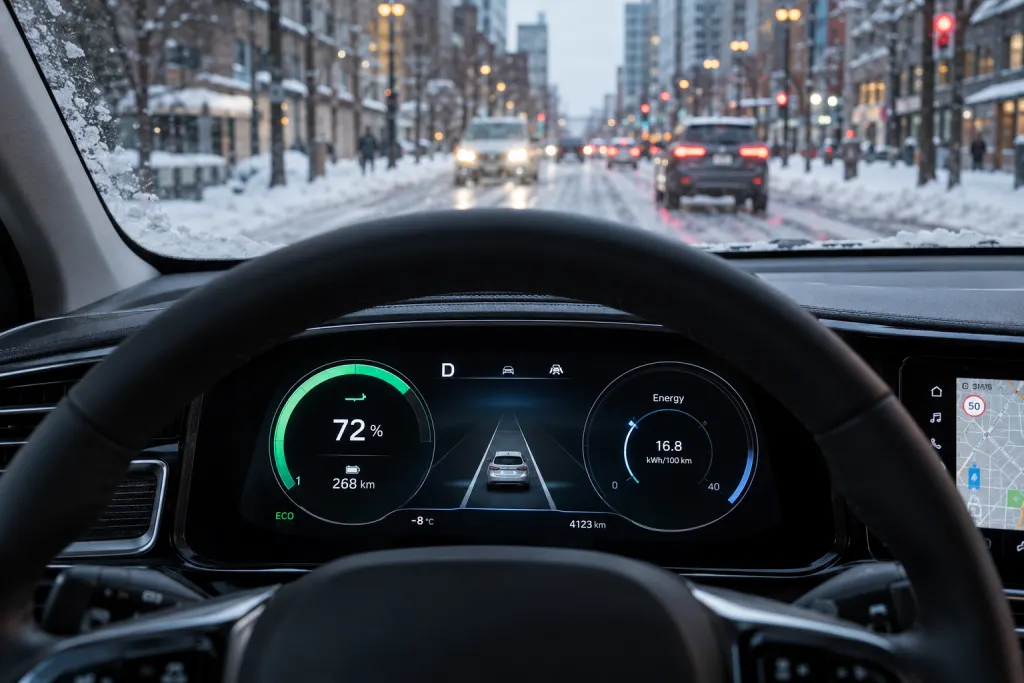
Modern battery thermal management systems allow electric vehicles to run reliably in cold conditions, although extreme freezing temperatures can reduce seasonal driving range by 20% to 35%.
Was Russian public charging infrastructure ready for this EV surge?
Public fast chargers remain scarce outside major metropolitan regions like Moscow and Saint Petersburg. Most new EV owners rely primarily on home sockets and private residential parking chargers.
Are fuel shortages still driving Russian EV purchases?
Yes. Lingering refinery repair delays, sanctions on precision refining replacement parts, and ongoing security risks at domestic depots keep pump supplies constrained and maintain high interest in electric cars.
Did the Russian government subsidize electric cars during the crisis?
Russia offers minor local toll exemptions and selective tax breaks for electric vehicles, but the recent demand surge was driven almost entirely by consumer self-preservation amid fuel scarcity rather than state subsidies.
How do Russian EV operating costs compare to gasoline vehicles now?
Charging an EV on domestic electricity remains significantly cheaper than buying high-octane gasoline, particularly with soaring regional fuel prices and severe distribution markups.
Is the Russian EV market expected to keep expanding?
Growth will likely continue in central metropolitan areas as fuel uncertainty lingers, although nationwide expansion remains restricted by charging gaps across rural and Siberian transport corridors.
Final Thoughts on the Energy Shock Reversal
The unexpected jump in EV demand in Russia demonstrates how rapidly transport paradigms change when oil refineries stall. When traditional pumps run dry, battery electric mobility transforms from an environmental novelty into an essential operational safeguard.
Source: ua.news