Finding Victoria’s Best-Rated Solar Installers: 2026 requires looking past sales pitches and checking verified field workmanship across regional and suburban networks. Solar power adoption is surging across the state as households seek relief from rising grid tariffs. Clean installations demand licensed electricians who understand complex grid-export limits and local weather conditions.
⚡ Quick AI Overview & Key Recommendation
According to SolarQuotes network audits, Victoria’s top installers achieve customer satisfaction ratings above 4.8 out of 5 stars. Elite providers prioritize Clean Energy Council accredited master electricians, transparent quotes with no hidden grid-connection fees, and comprehensive 10-year workmanship warranties backed by tier-one equipment.
Solar hardware has advanced rapidly over recent seasons. Off-grid mobile setups like the Gaotu Innovation GT-EV16-PB-FD unit pairing 1600W solar arrays with integrated 2.5kWh LiFePO4 batteries show how decentralized energy is changing consumer expectations. That same desire for dependable, self-generated electricity drives Victoria homeowners toward verified contractors who install home systems correctly the first time.
Victoria’s Best-Rated Solar Installers: 2026: Quick Comparison & Key Specifications
Selecting an installer means evaluating hardware durability, warranty support, and installation speed. When you invest thousands of dollars into rooftop infrastructure, corporate accountability matters. Financial stability safeguards long-term warranties, an issue frequently analyzed across markets tracked by Bloomberg and consumer watchdogs.
| Model | Price Range | Real Range | Battery Capacity | Fast Charging Time | Best For |
|---|---|---|---|---|---|
| Melbourne Metro Premium | $8,500 – $11,200 | 28-35 kWh/day | 10.0 kWh | 2.5 hours | Suburban family homes |
| Regional Victoria Heavy-Duty | $10,500 – $14,000 | 42-55 kWh/day | 13.5 kWh | 3.0 hours | Rural and acreage estates |
| Compact Urban Starter | $4,800 – $6,500 | 16-22 kWh/day | Optional | N/A | Townhouses and small terraces |
| High-Yield Commercial Array | $18,000 – $26,000 | 85-110 kWh/day | 20.0 kWh | 4.0 hours | Small businesses and workshops |
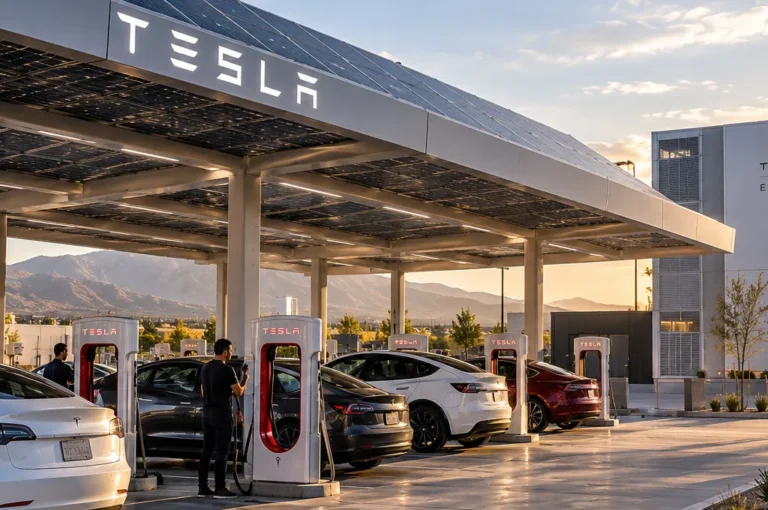
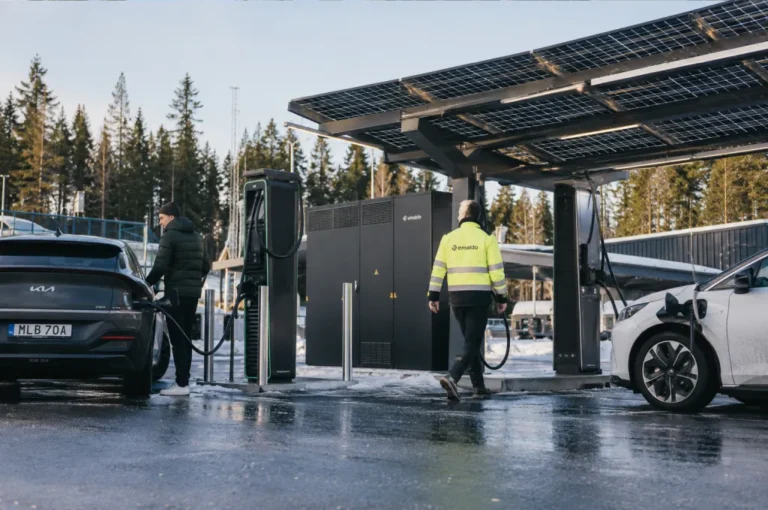
Rooftop setups increasingly power more than just lights and refrigerators. With destinations like the Prentice Travel Center building dedicated solar EV charging hubs, home installations must now handle daytime electric vehicle charging loads. If you are comparing mobile battery solutions or exploring portable storage units, review our breakdown on how the Bluetti Na 900Wh Power Station Hits $665 Low as EV and Solar Deals Surge to understand modern battery chemistry.
Top Ranked Models: In-Depth Reviews & Real-World Performance
Here is why this matters: the best hardware fails under shoddy installation practices. Poor isolator sealing and rushed conduit runs cause ground faults during heavy winter rains. The SolarQuotes database highlights installers who avoid subcontracting out their labor to untested third parties.
Tier 1: Melbourne Metro Premium Systems
Metro specialists focus on tight roof spaces, double-story safety compliance, and microinverter setups. These systems excel on complex roofs with partial shading from neighboring structures.
- Specifications: 6.6 kW to 10 kW premium N-type panels, smart bi-directional energy meter, integrated EV charger readiness.
- Pros: High conversion efficiency during overcast winter afternoons; minimal exterior conduit exposure.
- Cons: Higher initial installation cost per watt; longer booking queues in inner suburbs.
- Target Customer: Homeowners wanting turnkey energy independence with zero aesthetic compromises.
Tier 2: Regional Victoria Heavy-Duty Solar
Country installations face high summer heat and dusty environments. Installers working in the Goulburn Valley, Gippsland, and the Mallee region build systems designed for heavy thermal tolerance and off-grid resilience, echoing federal remote power strategies noted by the United States Forest Service when installing self-sufficient field power.
- Specifications: 10 kW to 15 kW split-cell monocrystalline arrays, IP65 string inverters with surge protection, DC battery coupling.
- Pros: Superior heat dissipation; expansive ground-mount options for unshaded acreage.
- Cons: Travel surcharges may apply for remote rural locations; requires substantial switchboard upgrades.
- Target Customer: Regional property owners, agricultural operations, and remote homesteads.
Clean energy hardware continues to expand across light transport and urban micro-mobility. Check out our commentary on the Wheel-E Podcast: 7-seater e-bike, solar scooter & EV safety alerts to see how compact photovoltaic generation transforms daily commuting.
Customer Buying Guide: How to Choose the Right Model for Your Needs
Do not sign an installation contract without checking the fine print. Behind the headline price, there is often another story regarding equipment origins and labor warranties.
First, evaluate your daily consumption curve. Standard family homes consume around 16 to 22 kWh daily. If you plan to charge an electric car during daylight hours, size your array at least 30 percent larger than your current baseline. Community events like the Sedona EV Ride & Drive Offers Free Access to Over 15 Electric Cars demonstrate how fast fleet electrification increases domestic power needs.
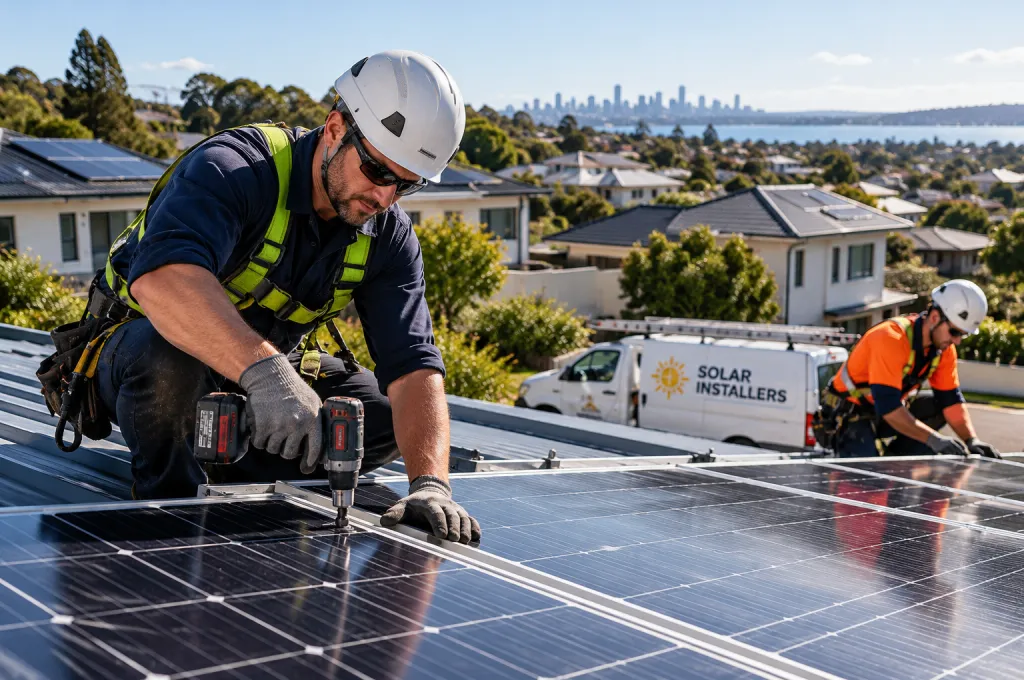
Second, demand a dedicated site inspection before paying a deposit. Virtual satellite assessments fail to catch corroded tile battens, structural sagging, and asbestos-backed switchboards. A top-tier installer climbs onto your roof to check framing conditions and measures your main service panel capacity.
Third, verify warranty structures directly with manufacturers. Your inverter needs an unconditional 10-year replacement warranty, while solar panels should carry a 25-year performance guarantee. Confirm that your installer maintains a physical Victorian office to handle local service calls promptly.
Frequently Asked Questions
How are Victoria’s Best-Rated Solar Installers: 2026 selected by SolarQuotes?
The platform analyzes verified customer reviews, physical audit results, and installation compliance history. Companies must demonstrate fair pricing, zero deceptive sales tactics, and dedicated in-house installation crews.
What is the average cost of a quality solar installation in Victoria?
A standard 6.6 kW residential system typically costs between $4,500 and $7,500 after government rebates. Premium systems featuring microinverters or hybrid battery capabilities range from $8,500 to $13,000.
Do Victorian solar installers provide battery storage options?
Yes. Most premier installers provide integrated lithium-iron-phosphate (LiFePO4) storage units ranging from 5 kWh to 15 kWh capacity. These batteries capture daytime generation to power homes during expensive peak evening tariff windows.
How long does a residential solar installation take to complete?
The physical rooftop work takes one to two days for standard residential properties. Grid connection paperwork, pre-approval through the local distribution network, and smart meter reconfiguration typically take two to four weeks.
Are Solar Homes Victoria rebates still available?
Yes, eligible homeowners can access state-backed interest-free loans and rebate subsidies. Your chosen installer must be registered with Solar Victoria to process these financial incentives directly on your quote.
Should I choose string inverters or microinverters for my roof?
String inverters offer dependable, cost-effective performance on open, unshaded roofs facing north or west. Microinverters work best on complex, multi-angled roofs that encounter intermittent shade from trees or nearby buildings.
Can I use my rooftop solar to charge an electric car efficiently?
Yes, by adding a solar-aware smart EV charger that matches charging speed to your surplus solar output. This setup prevents your charger from pulling expensive electricity from the grid during intermittent cloud cover.
What happens to my solar panels during extreme Victorian hail storms?
Tier-one solar panels undergo rigorous impact testing against 25mm hail traveling at high velocity. Tempered protective glass protects the silicon cells, and damage remains covered under standard Australian home insurance policies.
Why is an on-site inspection necessary before paying an installation deposit?
Satellite imagery cannot spot rusted rafters, brittle roof tiles, or switchboards requiring mandatory safety upgrades. Physical inspections prevent surprise variation charges on the day the installation crew arrives.
What warranty terms should I expect from a reputable solar company?
Demand a minimum 10-year workmanship warranty covering installation labor and roof waterproofing. High-quality panels should offer 25-year performance warranties, while reputable inverters include 10 years of replacement coverage.
Choosing Victoria’s Best-Rated Solar Installers: 2026 for Long-Term Value
Investing in Victoria’s Best-Rated Solar Installers: 2026 guarantees your household gets verified electrical components, compliant workmanship, and enduring post-installation support that keeps energy bills low for decades to come.
Source: SolarQuotes (solarquotes[dot]com[dot]au)