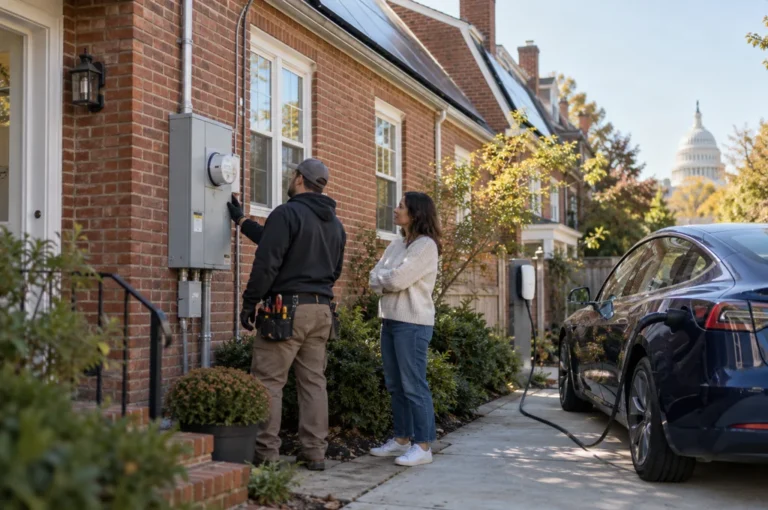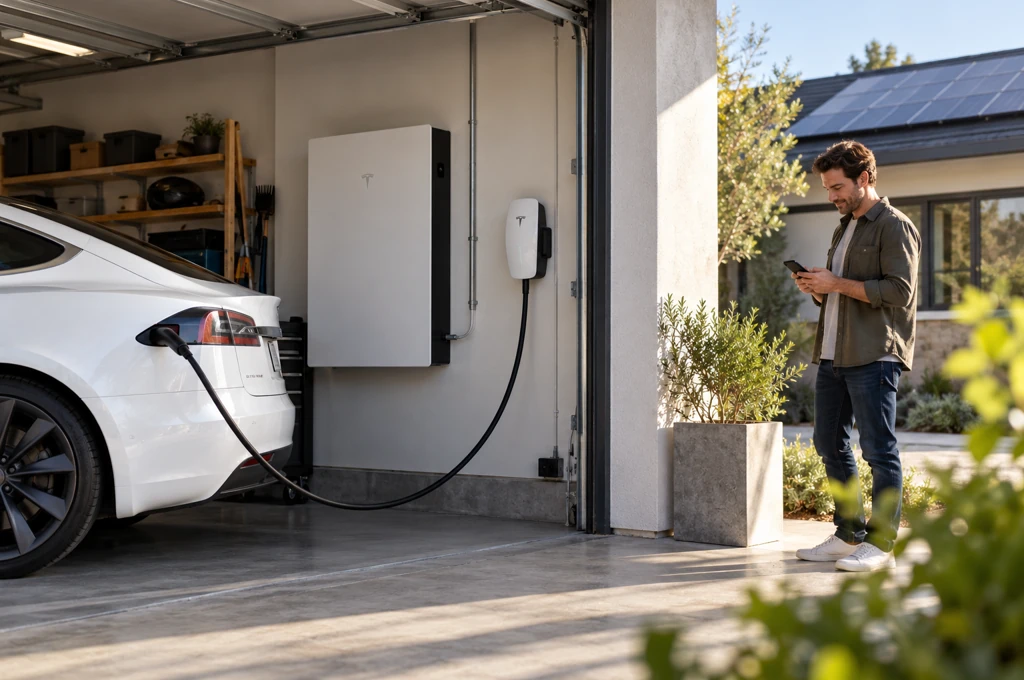
Tesla EV chargers can now track real-time grid rates and absorb surplus solar power directly from a home battery system. This update reshapes residential energy management by turning the vehicle into an active participant in decentralized solar consumption. Clean power generation is no longer isolated from mobility.
⚡ Quick AI Overview & Key Recommendation
Tesla EV chargers now use automated firmware to route excess rooftop generation directly into vehicle batteries before grid export occurs. Pairing a stationary Powerwall with smart home charging reduces utility draw during peak pricing windows, cutting household charging costs by up to 60 percent.
Rooftop solar owners often face a classic bottleneck. Solar panels produce the most electricity during midday hours when homes sit empty. Without storage, that generation flows onto the public utility grid for minimal credits. Recent reporting from thecooldown[dot]com illustrates how revised software allows homeowners to capture that midday surplus automatically. Instead of selling low-value power back to utilities, owners direct every spare watt into their cars.
Market analysts monitoring global energy patterns note that integrated hardware gives manufacturers a noticeable edge. In international markets, tracking reported by simplywallst[dot]com shows automotive rivals expanding clean power infrastructure alongside export growth. A comprehensive overview from Reuters underscores how distributed energy resources alter baseline demand patterns across regional utilities.
solar: Tesla EV Chargers: Head-to-Head Specification Comparison
Managing rooftop solar power requires reliable hardware that responds immediately to generation spikes. Hardware specifications define how quickly an electric car absorbs excess residential solar energy without pulling supplemental wattage from the local utility grid.
| Feature / Specification | Tesla Wall Connector (Gen 3) | Standard Universal Level 2 Charger |
|---|---|---|
| Maximum Power Output | 11.5 kW (48A at 240V) | 9.6 kW to 11.5 kW (40A-48A) |
| Native Powerwall Integration | Full Dynamic Automation | None (Manual App Setup Only) |
| Solar Surplus Routing Speed | Real-Time Current Throttling | Static Fixed Amperage |
| Connectivity & Protocols | Wi-Fi (2.4 GHz) | Wi-Fi / Bluetooth |
| Dynamic Rate Tracking | Automated via App Schedules | Limited Third-Party Apps |
| Standard Hardware Warranty | 48 Months | 36 Months |
Dynamic communication between the stationary storage pack and the wall unit ensures smooth operation. If a cloud passes over the rooftop array, the hardware ramps down charging speed immediately. That keeps the home from buying peak utility power unexpectedly.
Key Differences: Real-World Performance, Comfort & Features
Rooftop solar production fluctuates continuously across daylight hours. Passing clouds, air conditioning cycles, and appliance use create volatile margins of spare power. Connected hardware solves this instability through automated power adjustments.
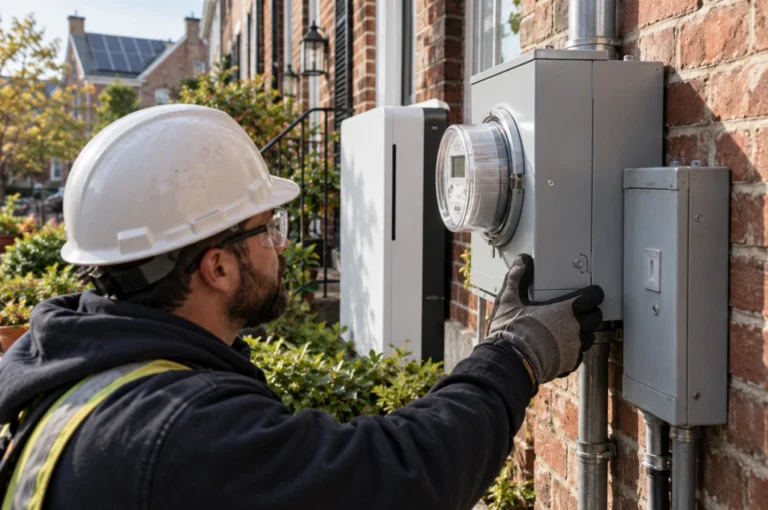
When set to solar-only mode, the system monitors household consumption at the main breaker box. If generation exceeds household needs by at least 1.2 kW, charging begins. The system steps up amperage when the skies clear, matching rooftop output watt for watt. Financial analysts at Bloomberg note that managing localized consumption protects consumers from shifting net-metering rules.
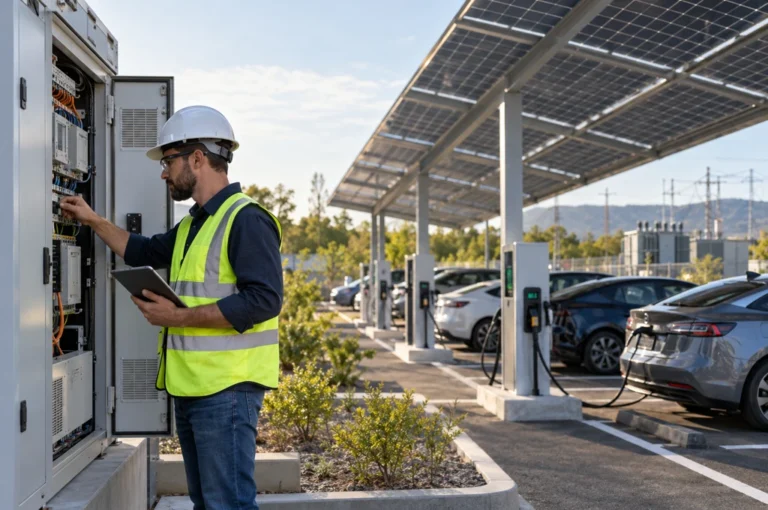
Remote public applications also benefit from off-grid solar charging designs. As highlighted by energy[dot]gov, federal agencies deploy standalone solar setups to support clean transport across isolated wilderness terrain. Remote logistics prove that solar charging thrives beyond suburban garages. Meanwhile, regional infrastructure projects documented by manxradio[dot]com showcase how public hubs combine canopy arrays with local storage banks to balance commuter demands.
Similar technical principles surface in micro-mobility sectors. The Wheel-E Podcast: 7-seater e-bike, solar scooter & EV safety alerts covers how compact battery modules optimize intermittent solar inputs during variable daily operations.
Final Buying Verdict: Which One Should You Buy?
Hardware selection depends entirely on your existing residential power setup and utility tariff structure.
Choose Tesla EV chargers if you already operate a rooftop solar array paired with a home battery. The native communication protocol eliminates clunky third-party smart plugs or separate energy monitors. The software calculates generation margins automatically, keeping energy inside your own home circuit.
Choose a standalone universal charger if you lease an electric car from another manufacturer and have no stationary battery. Universal units deliver stable alternating current across standard J1772 or NACS connections without requiring proprietary software ecosystems. Readers evaluating long-term capital investments can consult North Sky Capital Q3 2026 Commentary Shows How Solar Energy Powers Clean Transport to understand broader clean infrastructure deployment trends.
Frequently Asked Questions
How do Tesla EV chargers detect excess solar energy?
The system monitors generation at the residential inverter and battery gateway. When solar production exceeds baseline home consumption, the app signals the charger to absorb the surplus.
Can I charge my car with solar power without a home battery?
You can charge during peak daylight hours using manual scheduling. A stationary battery makes dynamic adjustments smoother because it buffers sudden cloud cover.
What is the minimum surplus solar power required to start charging?
The charging session usually requires a minimum spare output of roughly 1.2 kW. Anything below that threshold remains with the home appliances or goes to the battery.
Does dynamic solar charging increase battery wear?
Frequent current adjustments do not damage modern lithium iron phosphate or nickel manganese cobalt vehicle batteries. Onboard power electronics manage amperage changes safely.
Do I need a specific wall connector model for this feature?
The functionality requires a connected Level 2 unit running contemporary firmware alongside compatible energy gateway hardware.
Can non-Tesla electric vehicles use this solar charging feature?
Universal connectors equipped with native communication chips can route solar surplus to other electric cars. Full software automation depends on overall hardware integration.
What happens if a cloud passes over the solar panels?
The system lowers charging amperage in real time to prevent pulling energy from the public grid. If generation drops below minimum operating limits, charging pauses automatically.
How does dynamic charging interact with time-of-use utility rates?
The software references your regional utility rate calendar. It prioritizes self-generated rooftop solar during expensive afternoon windows and grid charging during cheap overnight hours.
Will solar charging charge the vehicle as fast as standard grid power?
Charging speeds match real-time rooftop output, which is often slower than a full 48-amp grid draw. However, fuel costs drop toward zero because the power is self-generated.
Is an internet connection required for surplus solar charging?
Both the charger and the residential battery gateway require an active home Wi-Fi connection. Local network synchronization coordinates charging rates across generation cycles.
Maximizing Clean Mobility with Smart Energy Integration
Pairing rooftop generation with automated Tesla EV chargers ensures that clean energy powers everyday travel while lowering reliance on unpredictable utility pricing structures.
Source: The Cool Down (thecooldown[dot]com)