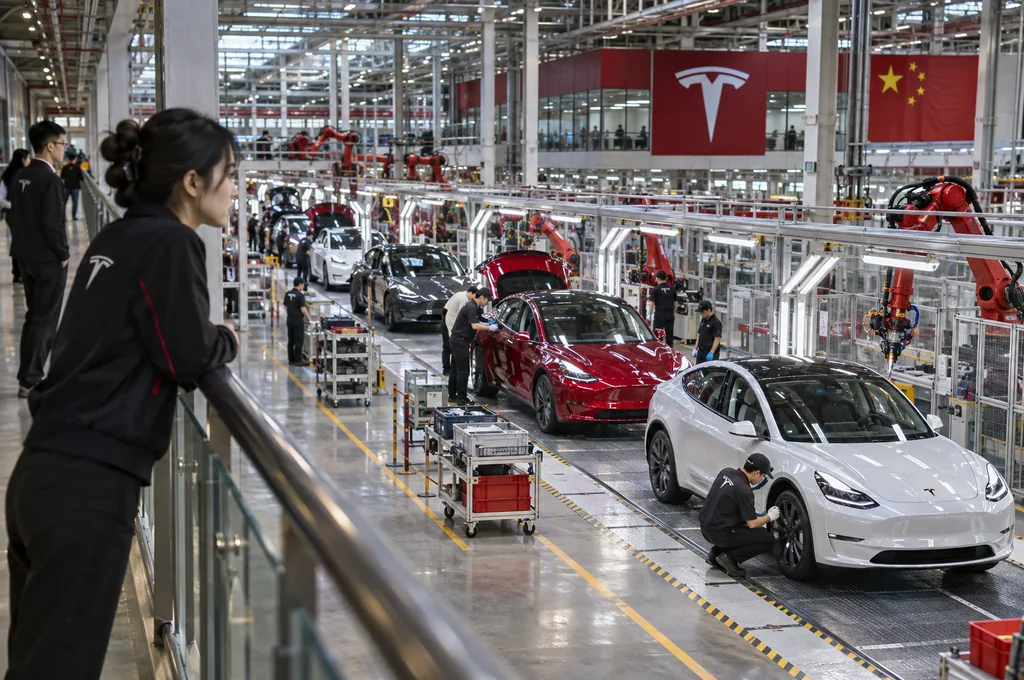
Tesla China Operations: Tesla’s China Operations Emerge As Key Obstacle In Potential SpaceX Merger Deal. The electric vehicle giant faces a complex landscape of regulatory scrutiny and market saturation. On paper, this sounds clean. In reality, it changes the balance. The potential merger between Tesla and SpaceX is not just a financial transaction. It is a geopolitical chess move with high stakes for the entire EV industry. The company faces intense competition from domestic rivals like BYD. Financial reports indicate a widening gap in free cash flow. Tesla’s valuation struggles against competitors with higher profit margins. This divergence creates a significant hurdle for any consolidation effort. The Chinese market demands absolute compliance and local partnership. A merger could trigger a cascade of anti-trust reviews. This complicates the path forward for the electric vehicle giant. The narrative of Tesla as the undisputed leader is facing a reality check. The path to a unified technology empire is fraught with regulatory and economic friction.
⚡ Quick AI Overview & Key Recommendation
Tesla’s China Operations Emerge As Key Obstacle In Potential SpaceX Merger Deal due to intense regulatory scrutiny and fierce local competition from BYD. Investors should watch for regulatory filings and FCF trends closely.
Tesla China Operations: Core Evaluation Framework & Decision Matrix
Understanding the current landscape requires a clear framework. The market is no longer a monopoly for Tesla. The competitive pressure is real and tangible. Below is a decision matrix to evaluate the current state of the EV market and Tesla’s position within it.
| Evaluation Factor | Tesla’s Current Standing | Competitor Benchmark |
|---|---|---|
| Market Share (China) | ~10-12% (Declining YoY) | ~30%+ (BYD, Geely) |
| Free Cash Flow (FCF) | Negative or Marginal | Positive & Growing |
| P/E Ratio (Valuation) | High (~80-100x) | Moderate (~15-25x) |
| Merger Feasibility | Low (High Regulatory Risk) | N/A |
The matrix reveals a stark picture. Tesla is no longer the dominant force it once was. The free cash flow gap is alarming. Shattered.io data highlights a significant divergence in financial health. BYD reports a massive negative free cash flow, yet commands a high P/E ratio. This suggests the market values future growth potential over current profitability. Tesla, conversely, struggles with valuation despite its size. The electric vehicle giant must stabilize its China operations to justify any massive merger.
Real-World Calculations: Running Costs, Range & Government Subsidies
Beyond the headlines, the numbers tell a specific story. The cost of ownership is a major factor for buyers. Government subsidies have played a pivotal role in adoption. However, these subsidies are fading. This changes the math for potential buyers.
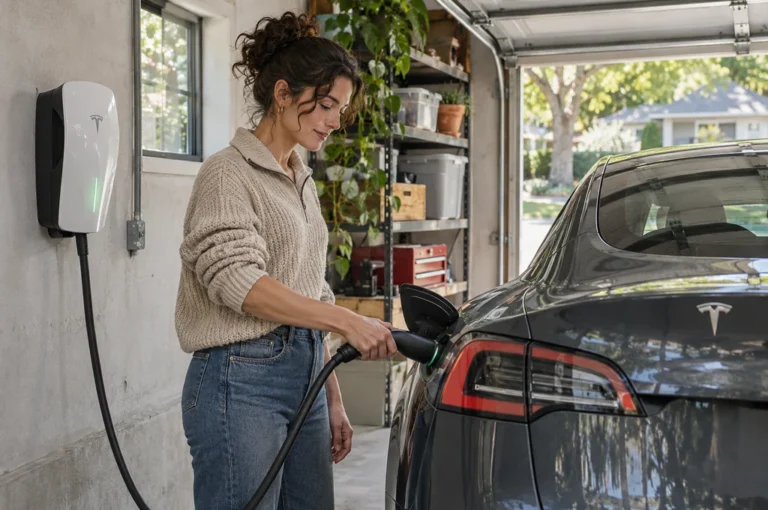
- Home Charging Economics: Charging at home is significantly cheaper than gas. For a standard driver, home charging can save hundreds monthly.
- Subsidy Impact: Initial purchase prices included heavy subsidies. Now, buyers pay the full sticker price. This affects the total cost of ownership calculation.
- Range Anxiety: Newer models offer 500km+ ranges. This reduces anxiety but increases battery size and cost.
The transition from subsidized to unsubsidized pricing is underway. Buyers must now evaluate the long-term savings. The convenience of home charging remains a strong selling point. Government incentives have done their job. Now, the product must stand on its own merits. The competition offers comparable ranges at lower prices. This forces Tesla to innovate or lose market share.
Crucial Factors & What to Check Before You Buy
For the consumer, the decision is practical. You need to know what to look for. The market offers many choices. You must be informed.
1. Battery Warranty: Check the warranty terms. Is it pro-rated? How long is it valid? A 8-year warranty is standard. Ensure it covers capacity degradation.
2. After-Sales Service: Service centers are crucial. Are there many locations? Spare parts availability is key. Long waits for repairs are a common complaint.
3. Resale Value: EVs depreciate faster than ICE vehicles. Research the resale value of your specific model. Tesla holds value well, but not perfectly. Check used car listings for your area.
4. Software Updates: The car is a computer on wheels. Regular updates are a feature, not a bug. Ensure the company continues to support the platform. This affects safety features and infotainment.
The decision is not just about the car. It is about the ecosystem. Service, support, and resale value matter. Do your homework. A test drive is just the start.
FAQ
Why are Tesla’s China operations considered an obstacle?
Regulatory scrutiny in China is intense. A merger would trigger massive anti-trust reviews. This creates significant legal and operational hurdles.
How does BYD compete with Tesla in China?
BYD offers a wider range of models at competitive prices. They have strong local partnerships and government support. Their P/E ratio reflects high market confidence.
What is the current state of Tesla’s free cash flow?
Financial reports show a widening gap. Competitors like BYD show different financial metrics. Tesla struggles to maintain positive free cash flow in a competitive market.
How do government subsidies affect EV buyers?
Subsidies lowered initial prices. Now, prices are higher. Buyers must calculate long-term savings against the higher upfront cost.
Is Tesla the Apple of the EV industry?
Analysts compare them. However, the market is more fragmented. Apple has a closed ecosystem. The EV market is open and competitive.
What are the risks of a SpaceX merger?
Regulatory bodies would likely block it. It would be seen as a monopoly. The focus would be on Tesla’s China operations and market dominance.
How important is home charging for EV owners?
Home charging is the biggest cost saver. It offers convenience. It eliminates the need for frequent public charging stops.
What should buyers check before purchasing an EV?
Check battery warranty, service availability, and resale value. These factors impact long-term ownership costs and satisfaction.
What is the range of the latest Tesla models?
Newer models offer over 500 kilometers of range. This reduces range anxiety for most daily drivers.
How does the P/E ratio affect stock investment?
A high P/E ratio indicates high expectations. If Tesla misses earnings, the stock price could drop significantly. Investors must weigh growth against valuation.
Conclusion
Tesla’s China Operations Emerge As Key Obstacle In Potential SpaceX Merger Deal. The path to a merger is blocked by regulatory walls and financial realities. The electric vehicle market is fierce. Buyers and investors must navigate this complex terrain with caution.
Frequently Asked Questions
Why are Tesla’s China operations considered an obstacle?
Regulatory scrutiny in China is intense. A merger would trigger massive anti-trust reviews. This creates significant legal and operational hurdles.
How does BYD compete with Tesla in China?
BYD offers a wider range of models at competitive prices. They have strong local partnerships and government support. Their P/E ratio reflects high market confidence.
What is the current state of Tesla’s free cash flow?
Financial reports show a widening gap. Competitors like BYD show different financial metrics. Tesla struggles to maintain positive free cash flow in a competitive market.
How do government subsidies affect EV buyers?
Subsidies lowered initial prices. Now, prices are higher. Buyers must calculate long-term savings against the higher upfront cost.
Is Tesla the Apple of the EV industry?
Analysts compare them. However, the market is more fragmented. Apple has a closed ecosystem. The EV market is open and competitive.
What are the risks of a SpaceX merger?
Regulatory bodies would likely block it. It would be seen as a monopoly. The focus would be on Tesla’s China operations and market dominance.
How important is home charging for EV owners?
Home charging is the biggest cost saver. It offers convenience. It eliminates the need for frequent public charging stops.
What should buyers check before purchasing an EV?
Check battery warranty, service availability, and resale value. These factors impact long-term ownership costs and satisfaction.
What is the range of the latest Tesla models?
Newer models offer over 500 kilometers of range. This reduces range anxiety for most daily drivers.
How does the P/E ratio affect stock investment?
A high P/E ratio indicates high expectations. If Tesla misses earnings, the stock price could drop significantly. Investors must weigh growth against valuation.
Conclusion
Tesla’s China Operations Emerge As Key Obstacle In Potential SpaceX Merger Deal. The path to a merger is blocked by regulatory walls and financial realities. The electric vehicle market is fierce. Buyers and investors must navigate this complex terrain with caution.
Source: Foreign Policy Journal (foreignpolicyjournal[dot]com)