Changes in the energy sector ripple through the market quickly. SolarEdge Leaving Australia signals a shift in the local photovoltaic landscape. The company announced it will cease operations in the country. This move affects thousands of Australian homeowners and businesses. The decision impacts hardware support, software updates, and service availability. SolarEdge Leaving Australia is a significant event for the clean energy transition. It forces a reassessment of existing systems and future investments. The fallout is not just about a company exiting. It is about the long-term reliability of the power systems installed today.
⚡ Quick AI Overview & Key Recommendation
SolarEdge Leaving Australia: The company will cease local operations, affecting warranty claims and service. Homeowners should check their warranties immediately and contact local partners for alternative support options.
SolarEdge Leaving Australia: Key Highlights & Market Impact
SolarEdge Leaving Australia is more than a corporate restructuring. It is a real-world disruption for system owners. The company provides advanced power optimizers and inverters. These devices maximize energy harvest from solar panels. They also protect panels from mismatch issues. Now, the local support network is shrinking. The impact is immediate and tangible. Customers face potential service gaps.
Here is why this matters. A solar system is a long-term investment. It is expected to last 20 to 25 years. Hardware failure is rare but possible. When it happens, you need a reliable support line. SolarEdge Leaving Australia removes that line. This creates uncertainty for system operators. The company’s exit will likely trigger a review of local policies. It also prompts a search for alternative manufacturers. The market must adapt to this sudden vacuum.
The news comes amid broader discussions on energy independence. Globally, nations are pushing for renewable adoption. Leaders urge homes to use rooftop solar for cooking and EV charging. This reduces reliance on imported energy. However, the exit of major players complicates this narrative. It highlights the risks of relying on single-vendor ecosystems. The transition to a decentralized grid requires robust, long-term infrastructure. SolarEdge Leaving Australia challenges the stability of that infrastructure for some.
Detailed Breakdown: What Caused SolarEdge Leaving Australia
On paper, the reasons seem financial. The global economic climate is volatile. Manufacturers face rising costs and supply chain disruptions. Companies must make tough choices to survive. Exiting a specific market can be a strategic move. It allows them to reallocate resources to stronger regions. However, the local context in Australia is unique. The country has one of the highest rates of solar adoption in the world. Losing a market leader feels like a blow to local capacity.
The news broke through various channels. Major outlets reported on the impending exit. For instance, reuters[dot]com covered similar industrial shifts. The move mirrors trends seen in other sectors. Technology companies often pivot their focus based on profitability. For Australian solar owners, the lack of transparency is frustrating. They need clear answers about their hardware. They need to know who will fix their systems if something breaks.
It is important to look at the broader context. The solar industry is evolving rapidly. New technologies emerge constantly. Established players must innovate or risk obsolescence. Sometimes, a company exits a market because it cannot compete locally. Perhaps local competitors offer better pricing or support. Or perhaps the regulatory environment is too complex. Whatever the root cause, the result is the same. The customer base is left to navigate a complex situation.
Investors and analysts are watching closely. They want to understand the implications for the rest of the industry. Will other manufacturers follow suit? Will this create a consolidation in the market? These questions remain unanswered. The focus must remain on the immediate needs of the consumer. They have invested in a system. They need assurance that it will continue to work.
What This Means for Readers & Future Outlook
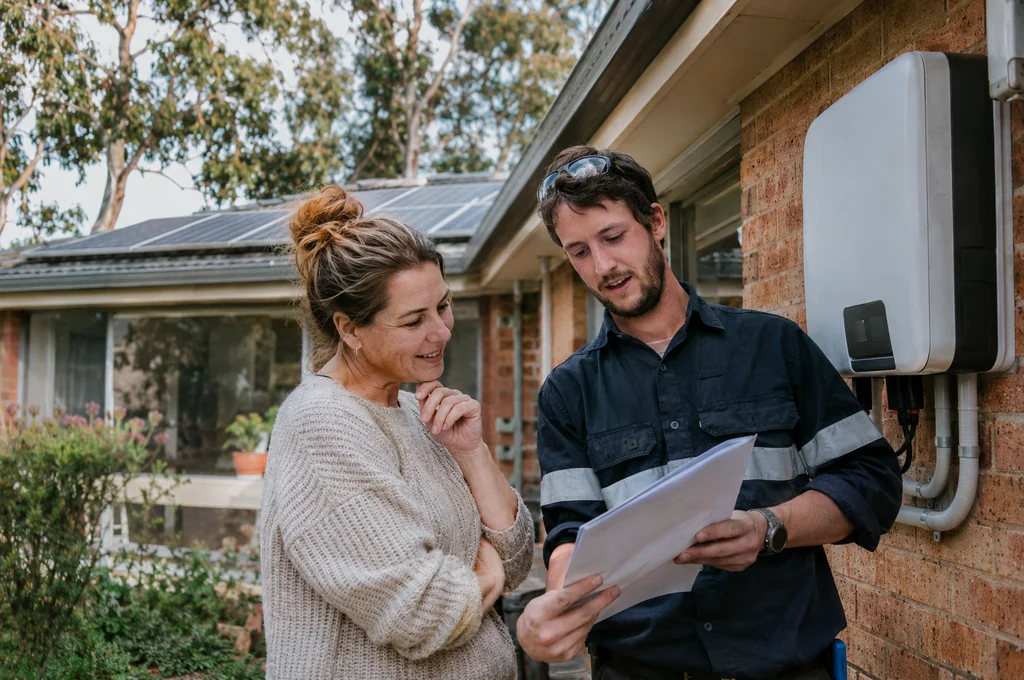
SolarEdge Leaving Australia requires immediate attention. Homeowners should check their hardware. Look at the serial numbers on your inverter and optimizers. Determine if they fall under the affected product lines. Next, check your warranty documentation. Understand the specific terms and conditions. Most warranties are transferable, but the support provider changes.
You will likely need to engage a local service provider. This could mean paying for maintenance out of pocket. It might also mean finding a third-party repair service. The warranty may still be valid, but the claim process changes. You cannot simply walk into a SolarEdge showroom. You must find a certified partner who can handle the hardware.
The future of the market looks uncertain. New players may enter to fill the gap. Local distributors might step up to provide support. However, it takes time to build trust. Consumers will be cautious. They will look for stability and long-term commitment. The exit of a giant sends a warning signal. It shows that no technology is truly future-proof.
For those looking to buy new systems, the advice is clear. Diversify your supply chain. Do not rely on a single manufacturer. Consider systems with different architectures. This provides a safety net. If one company falters, the other can pick up the slack. The goal is a resilient energy system. A system that can withstand market shocks and last for decades.
| Current Status | Action Required | Impact Level |
|---|---|---|
| SolarEdge Leaving Australia | Check warranty details | High |
| Hardware Support | Contact local partners | Medium |
| System Performance | Monitor energy output | Low |
FAQ
Will my SolarEdge warranty be voided?
No, the warranty remains valid. The terms change as the manufacturer leaves the market. You must use authorized local service providers to make claims.
Who will fix my SolarEdge inverter now?
You will need to find a local service provider certified by SolarEdge. They will be the only ones authorized to handle repairs and maintenance.
Does this affect my electricity bills?
No. The hardware failure risk is low. Your system will continue to generate power. However, if it fails, repair costs may increase.
Can I sell my SolarEdge system?
Yes, the system can be sold. The warranty transferability depends on the specific terms. You must disclose the change in manufacturer support.
Is there a grace period for claims?
Check your specific warranty contract. Some warranties offer a grace period. Others require immediate action upon the manufacturer’s exit.
What if my system is under warranty but the inverter is old?
Warranties often cover parts for a limited time. If the inverter is outside its warranty, you will likely pay for repairs.
Will the power output decrease?
Only if a component fails. Otherwise, the system operates as designed. The optimizers continue to work regardless of the manufacturer’s status.
Are there alternative inverters to consider?
Yes, many alternatives exist. Fronius, SMA, and Growatt are common options. Research their local support networks before buying.
Does this affect commercial systems?
Yes, the impact is the same. Commercial and residential systems are affected by the same service changes.
How do I find a local service provider?
Contact SolarEdge directly. They will provide a list of authorized partners in your region. Do not use unverified technicians.
Frequently Asked Questions
Will my SolarEdge warranty be voided?
No, the warranty remains valid. The terms change as the manufacturer leaves the market. You must use authorized local service providers to make claims.
Who will fix my SolarEdge inverter now?
You will need to find a local service provider certified by SolarEdge. They will be the only ones authorized to handle repairs and maintenance.
Does this affect my electricity bills?
No. The hardware failure risk is low. Your system will continue to generate power. However, if it fails, repair costs may increase.
Can I sell my SolarEdge system?
Yes, the system can be sold. The warranty transferability depends on the specific terms. You must disclose the change in manufacturer support.
Is there a grace period for claims?
Check your specific warranty contract. Some warranties offer a grace period. Others require immediate action upon the manufacturer’s exit.
What if my system is under warranty but the inverter is old?
Warranties often cover parts for a limited time. If the inverter is outside its warranty, you will likely pay for repairs.
Will the power output decrease?
Only if a component fails. Otherwise, the system operates as designed. The optimizers continue to work regardless of the manufacturer’s status.
Are there alternative inverters to consider?
Yes, many alternatives exist. Fronius, SMA, and Growatt are common options. Research their local support networks before buying.
Does this affect commercial systems?
Yes, the impact is the same. Commercial and residential systems are affected by the same service changes.
How do I find a local service provider?
Contact SolarEdge directly. They will provide a list of authorized partners in your region. Do not use unverified technicians.
Final Thoughts on SolarEdge Leaving Australia
The exit of SolarEdge Leaving Australia is a wake-up call. It reminds us that technology is not permanent. The clean energy future requires vigilance. Homeowners must stay informed and proactive. The transition to renewable energy is ongoing. It faces hurdles and disruptions. But the goal remains the same. We need sustainable power for everyone.
Source: Energy Matters (energymatters[dot]com[dot]au)