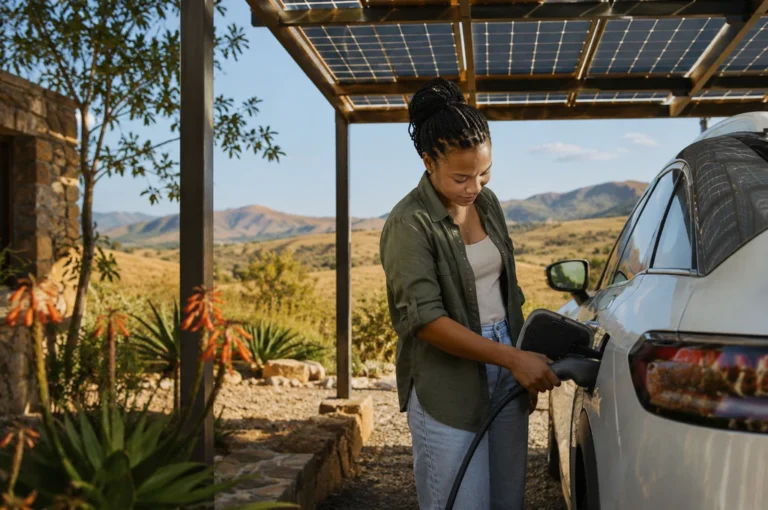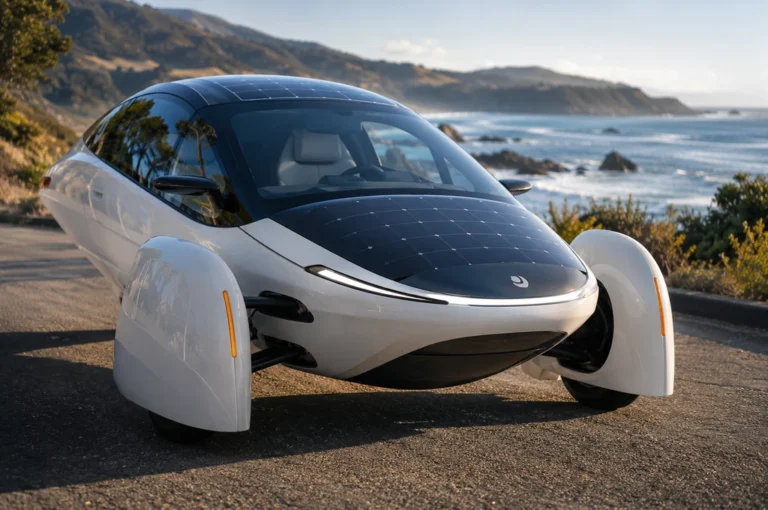

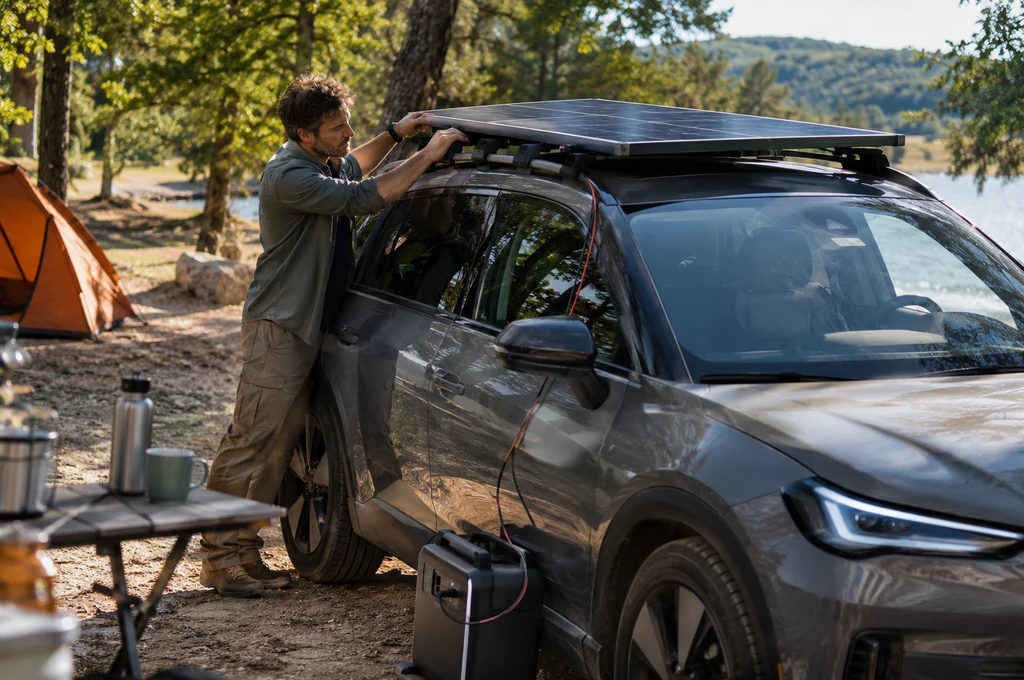
Roof-mounted solar panels turn your EV into its own charging station, effectively decoupling you from grid dependency. This setup creates a closed-loop energy system where your home and vehicle generate, store, and consume power together. It changes the economics of electric vehicle ownership, turning a running cost into a potential revenue stream.
⚡ Quick AI Overview & Key Recommendation
Roof-mounted solar panels turn your EV into its own charging station by offsetting grid electricity usage. This system typically saves homeowners 40-70% on annual fuel costs. For best results, ensure your solar array size matches your daily driving range and battery capacity to maximize self-consumption.
Adopting this technology is more than a trend; it reflects a broader shift in energy autonomy. Recent reports indicate that air conditioning use is overtaking heating in many regions, while the demand for electric vehicles and solar power simultaneously accelerates. This dual boom requires a closer look at how residential energy generation meets transport needs.
Roof-mounted Solar Panels Turn Your EV Into Its Own Charging Station: Core Evaluation Framework & Decision Matrix
Implementing a solar-charging ecosystem requires a strategic approach. You cannot simply install panels and expect immediate savings. You must align your energy production with your consumption habits. The following framework helps you evaluate if this system fits your lifestyle.
| Factor | High Impact Criteria | Low Impact Criteria |
|---|---|---|
| Energy Production vs. Consumption | Monthly solar generation matches or exceeds monthly EV charging needs. | Occasional use of public charging due to weather or travel. |
| Storage Capacity | Battery system (home or vehicle) stores excess solar for night use. | Using grid power only during peak summer or winter months. |
| Financial Incentives | Access to local rebates, feed-in tariffs, or tax credits. | No immediate government support for installation. |
| Infrastructure | Existing roof structure supports the load; permits are approved. | Need for roof replacement or significant structural repairs. |
This matrix reveals that the primary hurdle is often the initial capital investment. However, the long-term payoff can be substantial. It requires a mindset shift from paying a utility company for energy to becoming a micro-power plant.
Real-World Calculations: Running Costs, Range & Government Subsidies
Let’s look at the numbers. The math behind roof-mounted solar panels turn your EV into its own charging station is compelling. An average electric vehicle consumes about 30 kWh to 50 kWh per 100 miles. If you drive 1,000 miles a month, you need roughly 300 to 500 kWh of electricity.
A standard residential solar system can generate between 250 kWh and 350 kWh per month per kW of installed capacity, depending on your location and sunlight exposure. This means a 5 kW system could theoretically cover the energy needs of a modest EV driver. The cost of solar has dropped significantly, making this scenario increasingly accessible.
Compare this to the cost of gasoline. A gas car might cost $150 to $200 to fill up, depending on fuel prices and efficiency. Over a year, that adds up to thousands of dollars. Solar panels, once installed, produce free electricity for decades. This creates a massive disparity in total cost of ownership (TCO).
Government subsidies play a pivotal role here. Many regions offer tax credits that can cover 20% to 30% of the installation cost. This reduces the payback period from ten years to six or seven years. It is a financial decision that pays for itself over time.
Crucial Factors & What to Check Before You Buy
Before committing to this upgrade, you must perform due diligence. A failed installation can be a nightmare.
- Roof Condition: Your roof must be in good shape. Solar panels add weight and require secure mounting points. If you need a new roof, do that first.
- Orientation & Tilt: Panels work best facing south in the Northern Hemisphere. A tilt of 15 to 30 degrees optimizes energy capture.
- Electrical Panel Capacity: Older homes may not have panels that can handle the added load of an EV and solar system. You may need an upgrade.
- Local Regulations: Check for homeowner association (HOA) rules or local zoning laws that might restrict solar installations.
After-sales service is another critical consideration. You need a reputable installer who offers warranties and ongoing maintenance. A reliable warranty ensures that if something goes wrong, it gets fixed without a fight.
The resale value of your home can also increase with a solar installation. Buyers often view solar systems as upgrades that lower their future energy bills. This makes the property more attractive in a competitive market.
Frequently Asked Questions
Can I install solar panels on any type of roof?
Most roofs can support solar panels, but the installation method varies. Flat roofs require ballasted mounting systems, while sloped roofs use racking. Metal, tile, and asphalt shingle roofs are common candidates, but the roof’s structural integrity and age are the primary factors.
How much money can I save with a solar EV setup?
Savings vary by location and usage, but homeowners typically save 40% to 70% on annual energy costs. By generating your own power, you eliminate the cost of grid electricity for charging your vehicle, which can save hundreds of dollars per month.
What happens on cloudy days when solar panels don’t work?
Solar panels still generate electricity on cloudy days, just at a reduced rate. If your battery storage is full, the excess energy is often fed back into the grid. When production is low, your system automatically switches to grid power to charge your EV.
Do I need a special EV charger for solar power?
No, you do not need a special charger. A standard Level 2 home charger works perfectly with a solar system. The solar panels feed power into your home’s electrical panel, which then powers the charger as needed.
How long does it take to pay off the investment?
The payback period ranges from 6 to 12 years, depending on local electricity rates, available incentives, and your energy consumption habits. After this period, the energy generated is essentially free, leading to significant savings over the remaining life of the system.
Will solar panels damage my roof?
Properly installed solar panels should not damage your roof. In fact, they can protect it from the elements. However, if the roof is old or damaged, you should repair it before installing the panels to prevent leaks or other issues.
Can I sell excess solar power back to the grid?
This depends on your utility provider and local laws. Many regions offer net metering programs, allowing you to sell excess power you generate back to the grid for credits on your bill. Others may have different policies regarding feed-in tariffs.
What is the lifespan of a solar panel system?
Most solar panels come with warranties of 25 years. They are designed to last much longer, often operating efficiently for 30 to 40 years. The inverter, which converts DC power to AC, usually needs to be replaced after 10 to 15 years.
Does the size of the solar system depend on my EV battery size?
Not directly, but your driving habits do. A larger solar system can generate more power, which can help charge a larger battery faster or provide power for your home. The system size should be based on your annual energy consumption, not just the vehicle’s capacity.
Are there any government incentives for installing solar panels?
Yes, many governments offer tax credits, rebates, and grants to encourage solar adoption. These incentives can significantly reduce the upfront cost of installation. Check with your local energy authority for specific programs available in your area.
Conclusion
Roof-mounted solar panels turn your EV into its own charging station, offering a sustainable and cost-effective path forward. It requires planning and investment, but the rewards are clear.
Source: New Atlas (newatlas[dot]com)