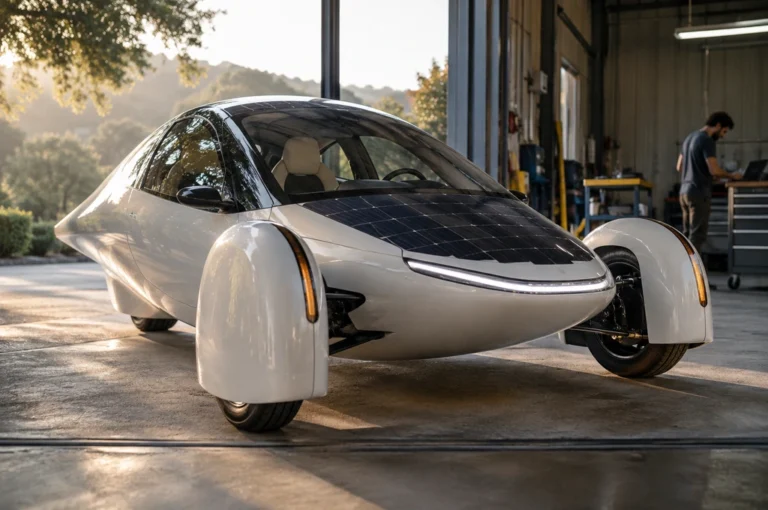

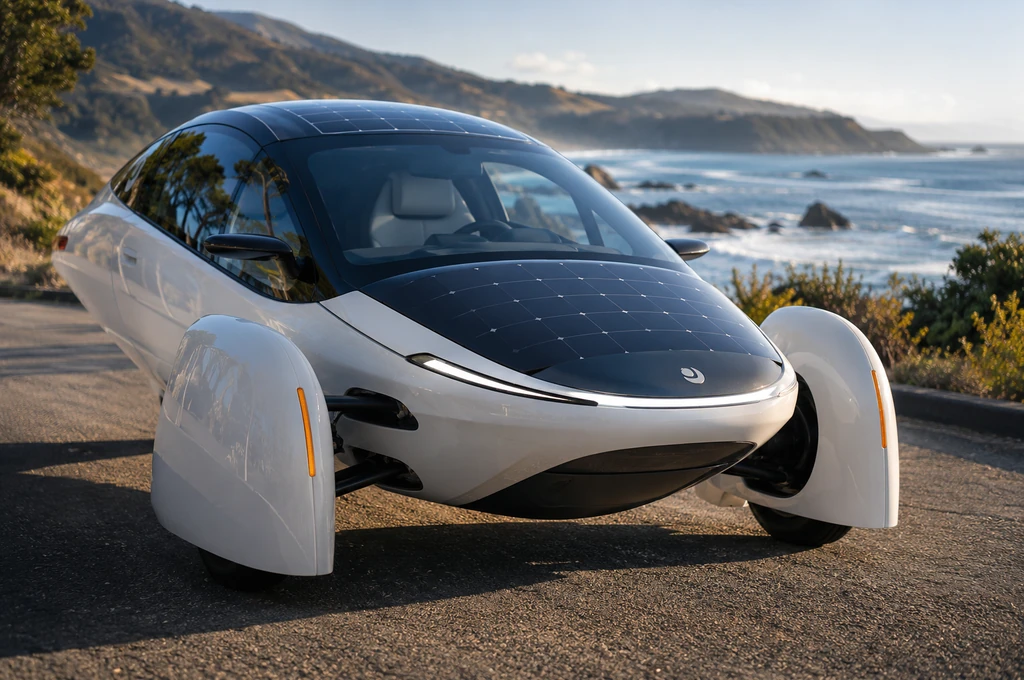
The solar-powered EV market is shifting from theoretical concepts to tangible reality. A new wave of vehicles promises to extend range through photovoltaic integration, aiming to solve the charging anxiety that still plagues many electric car owners. This isn’t just about minor trickle charging; it is about fundamentally altering how energy is consumed and stored in the transport sector.
⚡ Quick AI Overview & Key Recommendation
The solar-powered EV offers a compelling solution to range anxiety by generating up to 40 miles of free energy daily. This technology significantly lowers operating costs and reduces reliance on public charging infrastructure, making it a viable option for daily commuters seeking to maximize renewable energy adoption.
Solar-Powered EV: Key Highlights & Market Impact
The arrival of the solar-powered EV marks a significant milestone in the electric vehicle industry. These vehicles utilize solar panels integrated into the roof or bodywork to harvest sunlight and convert it into electricity. This capability allows drivers to supplement their battery range without plugging into a wall outlet.
Manufacturers are pushing these boundaries to enhance the efficiency of electric drivetrains. The market impact extends beyond simple range extension. It signals a broader acceptance of solar energy as a primary power source for transportation. This shift is vital for reducing the carbon footprint of the automotive sector.
Autoblog reported on a specific vehicle achieving this milestone, highlighting its potential to change daily commuting habits. The technology focuses on maximizing energy capture during daylight hours, turning a parked car into a mobile power station.
Detailed Breakdown: What Caused This Shift?
The rapid advancement of this solar-powered EV technology is driven by three main factors. First, the efficiency of solar cells has improved significantly over the last decade. Modern panels capture more energy from a smaller surface area, making integration on vehicles more feasible.
Second, the demand for zero-emission vehicles is rising globally. Governments are implementing stricter emissions regulations, pushing automakers to innovate. This regulatory pressure creates a fertile ground for solar technology to flourish.
Third, the cost of battery storage has dropped, allowing vehicles to store the extra energy generated by the sun. This synergy between solar capture and battery storage is the engine behind this shift. It ensures that the energy harvested is not lost but used effectively.
Investors and analysts are watching closely. The success of these vehicles could validate the business model of integrating renewable energy directly into consumer transport. It moves the industry away from purely grid-dependent power sources toward a more decentralized energy model.
What This Means for Readers & Future Outlook
For the average driver, the solar-powered EV represents a practical step toward energy independence. It offers a buffer against rising fuel prices and the inconvenience of finding charging stations. The ability to gain 40 miles of range daily can be the difference between a stressful commute and a smooth journey.
However, there are considerations. The initial cost of these vehicles can be higher due to the specialized technology involved. Drivers must weigh the long-term savings from free energy against the upfront investment.
The future outlook is promising. As technology matures, we can expect to see more models with higher efficiency panels and better battery integration. This trend aligns with global efforts to transition to sustainable energy systems. The solar-powered EV is not just a novelty; it is becoming a staple of the modern automotive landscape.
| Feature | Traditional EV | Solar-Powered EV |
|---|---|---|
| Energy Source | Grid Electricity | Grid + Solar |
| Charging Frequency | High (Daily) | Lower (Daily + Solar) |
| Operating Cost | Variable | Reduced (Free miles) |
Frequently Asked Questions
How does a solar-powered EV actually work?
A solar-powered EV uses photovoltaic panels integrated into the vehicle’s body or roof to capture sunlight. This energy is converted into electricity and stored in the car’s battery, supplementing the energy drawn from the grid or charging ports.
Can a solar-powered EV really give you 40 free miles a day?
Yes, under optimal conditions with peak sunlight exposure, these vehicles can generate approximately 40 miles of additional range per day. This varies based on panel efficiency, weather, and vehicle design.
What are the main benefits of a solar-powered EV?
The primary benefits include extended driving range without charging, reduced operating costs due to free energy generation, and a lower carbon footprint by utilizing renewable solar energy.
Is the initial cost of a solar-powered EV higher?
Generally, yes. The specialized solar integration technology can make the upfront purchase price higher than traditional electric vehicles. However, the long-term savings on fuel and maintenance can offset this difference.
Do solar panels on EVs work in cloudy weather?
Solar panels do work on cloudy days, but their efficiency drops significantly compared to direct sunlight. They still generate some power, but the daily range increase will be less than on sunny days.
How long do the solar panels last on an EV?
Solar panels used in automotive applications are designed to be durable and weather-resistant. They typically last the lifespan of the vehicle, often 10 to 15 years, with minimal degradation in performance.
Is the range increase from solar charging significant enough for long trips?
For daily commuting, the extra range is very significant. For long-distance travel, solar charging provides a small buffer but should not be relied upon as the primary method for long-haul journeys.
Can I add solar panels to my existing electric vehicle?
While aftermarket kits exist, they are often less efficient and aesthetically less integrated than factory-installed systems. Professional installation is recommended to ensure safety and optimal performance.
Does the solar charging system add weight to the car?
Yes, solar panels and the necessary mounting hardware add some weight to the vehicle. This can slightly impact the vehicle’s payload capacity and energy efficiency, though the trade-off is often worth the added range.
How does solar energy impact the resale value of an EV?
A solar-powered EV can potentially have higher resale value due to its unique features and lower long-term operating costs. Buyers often value vehicles that offer extended range and energy independence.
Conclusion
The solar-powered EV is no longer a distant dream but a practical reality for modern drivers. By integrating solar technology, these vehicles offer a sustainable path forward for the automotive industry.
Source: Autoblog (autoblog[dot]com)