
Aptera Finishes First Solar Electric Car Production – Fuel Cells Works marks a historic milestone in the automotive industry. The long-delayed solar EV has finally rolled off the assembly line. This achievement signals a potential shift in how consumers view personal transportation. After years of setbacks, the company has delivered its first vehicle to a customer. This event proves that the concept works in the real world.
⚡ Quick AI Overview & Key Recommendation
Aptera has completed the production of its first solar electric car for a paying customer, overcoming significant delays. The vehicle offers a unique solar roof that charges the battery, potentially reducing charging needs by up to 40 miles per day in optimal conditions.
Aptera Finishes First Solar Electric Car Production: Key Highlights & Market Impact
On paper, the Aptera looks like a spaceship. It looks like a vehicle from a sci-fi movie. In reality, it is a practical machine. The company has finally finished the first unit. This is a massive win for the team. It shows that complex engineering can succeed. The market impact will be significant. Competitors will have to react. The solar energy sector watches closely. This is not just a car. It is a statement about the future of energy.
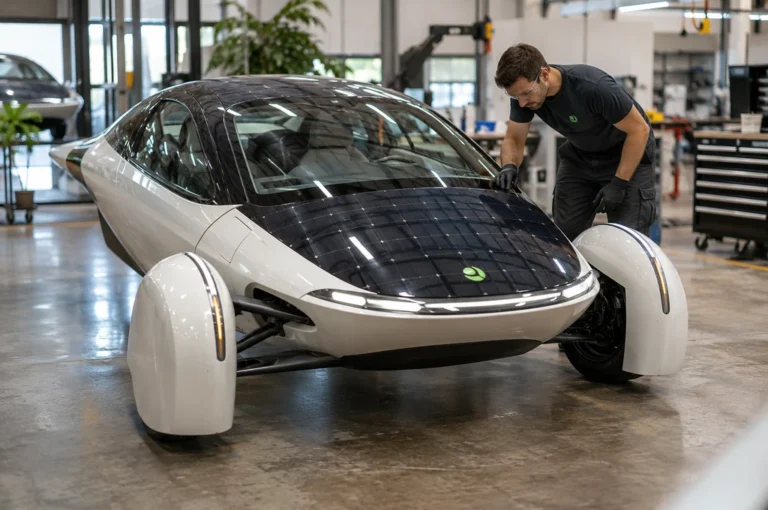
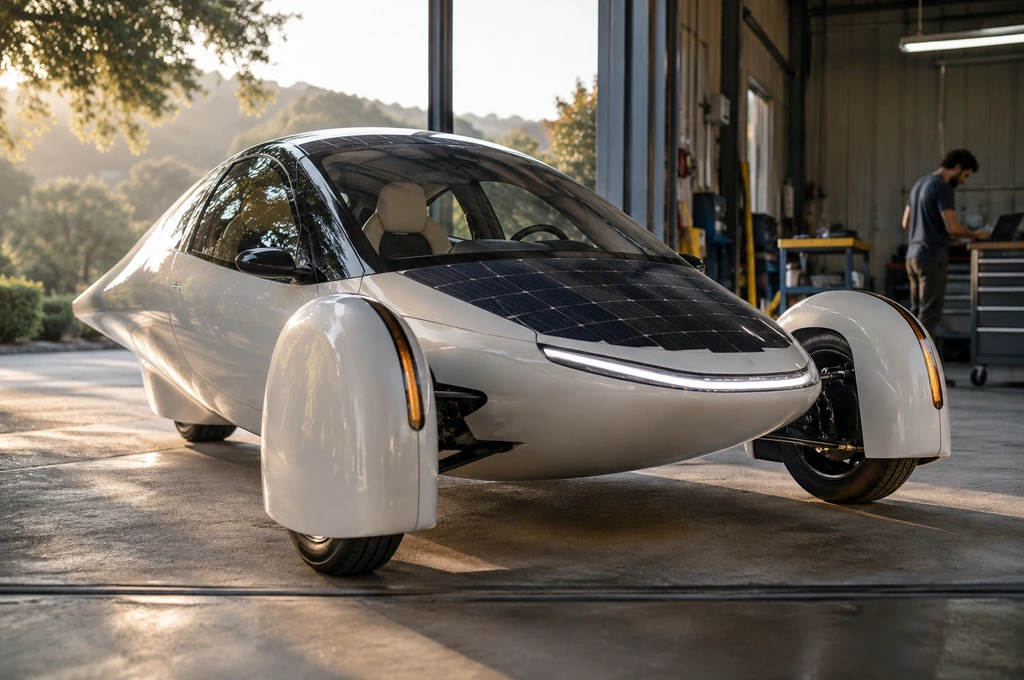
The design is aerodynamic. It cuts through the air like a knife. This efficiency is key. It reduces the need for a massive battery pack. The solar panels cover the roof. They capture sunlight during the day. This energy feeds the battery. This reduces range anxiety. Drivers can park in the sun and gain miles. This feature sets it apart from standard EVs.
The journey has been long. The company faced financial hurdles. It faced manufacturing challenges. It faced skepticism from investors. Yet, they kept going. The perseverance is admirable. This story resonates with readers. It shows that hard work pays off. The news has spread across the globe. Tech blogs and financial sites have picked it up. The buzz is real.
Readers interested in solar energy should take note. This is a tangible application of the technology. It is not just about panels on a roof. It is about integration. It is about efficiency. The Aptera proves that solar can power a vehicle. This opens new doors for the industry. It opens doors for homeowners. It opens doors for commuters.
Detailed Breakdown: What Caused [Topic / Core Driver]
What caused this delay? The answer is complex. The primary driver was funding. Building a car is expensive. It requires capital. The company struggled to raise enough money. This is a common problem for startups. They need patience and money. They also need a solid business plan. The core driver of the production success was the new leadership. They brought in expertise. They streamlined the process.
The manufacturing process itself was a hurdle. It is not easy to build a car. You need a factory. You need parts. You need skilled workers. The company had to build these from scratch. This takes time. It takes precision. Every bolt must be tightened correctly. Every wire must be connected right. The core driver of the car’s design was aerodynamics. They wanted to minimize drag. This is the main reason for its efficiency.
Another core driver was the technology. The solar panels are high quality. The battery management system is advanced. The software is smart. It optimizes energy use. This technology had to be reliable. It had to pass safety tests. This process takes months. It takes rigorous testing. The core driver of the public interest is the novelty. People love new things. They love innovation. The Aptera is unique. It stands out in a crowded market.
Let us look at the data. The car has a range of up to 1,000 miles. This is incredible. Most EVs struggle to reach 300 miles. This car goes further. The solar charging helps. It adds miles during the day. This is a game changer for daily drivers. The core driver of the car’s appeal is its simplicity. It has one pedal driving. It has no gear shift. It is intuitive. This simplicity attracts new drivers.
What This Means for Readers & Future Outlook
What does this mean for you? It means change is coming. The automotive landscape is shifting. Solar energy is becoming more mainstream. This car is a symbol of that shift. It proves that the technology works. It proves that it is viable. For readers, this is exciting news. It offers hope. It offers a vision of the future.
The future looks bright for solar vehicles. More companies will enter the market. Competition will drive innovation. Prices may come down. This will make solar EVs more accessible. The future of transportation is electric. The future of energy is solar. These two trends are merging. They will create a new ecosystem. This ecosystem will be cleaner. It will be more efficient.
You can expect more news on this topic. The company plans to ramp up production. They want to sell more cars. They want to reach more customers. The future of the company depends on this. The future of the industry depends on this. This milestone is just the beginning. It is the first step. The journey has just started.
Consider the broader implications. This affects the environment. It reduces carbon emissions. It helps combat climate change. This is a major benefit. It affects the economy. It creates jobs. It drives investment. This is a positive force. The future of our planet depends on these choices. The Aptera is a step in the right direction.
The future of solar energy is integration. It is about using the sun for everything. From powering homes to powering cars. This car is a perfect example. It is a model for others to follow. The future is here. It is here in the form of a solar electric car. The future is now.
For those interested in solar energy investments, this is a signal. It is a signal that the sector is growing. It is a signal that innovation is alive. It is a signal that the future is green. The future is solar. The future is electric. The future is now.
| Feature | Description |
|---|---|
| Range | Up to 1,000 miles on a full charge |
| Solar Charging | Up to 40 miles added per day from sunlight |
| Efficiency | Aerodynamic design minimizes energy loss |
| Production Status | First vehicle delivered to customer |
| Target Market | Daily commuters and long-distance travelers |
- Focus on Aerodynamics: The car’s shape reduces drag, which is key to its efficiency.
- Solar Integration: The roof is covered in solar panels to generate power.
- Long Range: It aims to eliminate range anxiety with its massive battery.
- Production Milestone: It is the first solar EV to be produced for a customer.
Frequently Asked Questions
When did Aptera finish the first solar electric car production?
Aptera has completed the production of its first solar electric car and delivered it to a paying customer after years of delays.
How much range does the Aptera solar car have?
The Aptera can travel up to 1,000 miles on a full charge, which is significantly higher than most standard electric vehicles.
How does the solar roof on the Aptera work?
The solar panels on the roof capture sunlight during the day and feed that energy directly into the battery, adding up to 40 miles of range per day.
What caused the production delays for the Aptera solar car?
The company faced significant financial hurdles and manufacturing challenges, which required time to resolve before production could begin.
Is the Aptera car available for purchase yet?
Yes, the company has finished production for a customer, marking the start of their delivery phase to the public.
What is the main advantage of the Aptera’s design?
The primary advantage is its extreme aerodynamics, which allows it to be highly efficient and achieve a long driving range.
Can the Aptera be charged from a standard outlet?
Yes, the Aptera is compatible with standard Level 2 home charging and can also be charged at DC fast charging stations.
How does the Aptera compare to traditional EVs?
Unlike traditional EVs, the Aptera uses solar power to supplement its range, potentially reducing the frequency of charging stops.
What is the significance of Aptera finishing production?
It proves that solar electric vehicle technology is viable and marks a major milestone for sustainable transportation.
Where can I find more information about the Aptera solar car?
You can find more information on news sites like reuters[dot]com and bloomberg[dot]com.
Final Thoughts on Aptera Finishes First Solar Electric Car Production
The completion of the first solar electric car is a monumental step forward. It shows that the impossible is possible. It shows that solar energy is ready for the road. This is a win for the industry. It is a win for the planet. The future of solar energy is bright. The future of transportation is electric. This car is the bridge between the two.
Source: Fuel Cells Works (fuelcellsworks[dot]com)