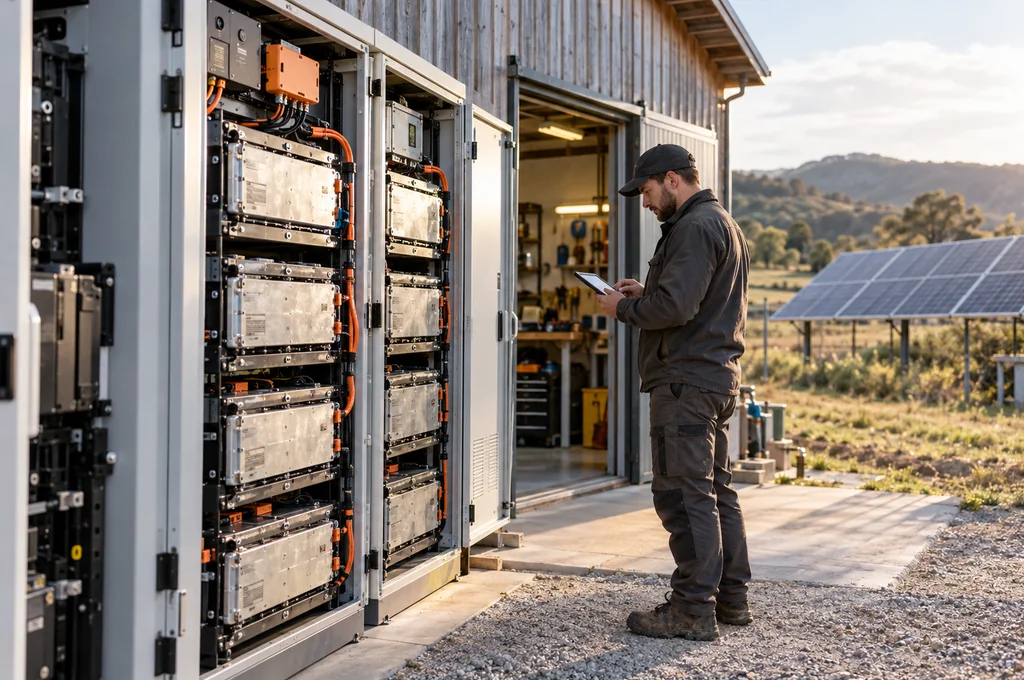
Old EV batteries store solar power: The push for renewable energy is changing how we view electric vehicles. People often think of EVs only for personal transport. The reality is more complex. The automotive industry is creating a massive stockpile of batteries. These batteries are reaching the end of their vehicle life. They still hold significant energy capacity. This creates a unique opportunity. We can repurpose these units for stationary storage. This is especially true for solar energy systems. In North America and Australia, this strategy is gaining traction. It offers a way to manage intermittent renewable power. However, a major competitor exists. New, cheaper lithium-ion cells are entering the market. They threaten to make second-life applications obsolete.
⚡ Quick AI Overview & Key Recommendation
Old EV batteries can store solar power in North America and Australia, offering a cost-effective energy storage solution. However, falling costs of new cells may make repurposing less viable economically.
Old EV batteries store solar power: The Challenge of EV Battery End-of-Life
Every electric vehicle contains a large lithium-ion battery pack. These packs are designed to last the life of the car. Typically, that is around 10 to 15 years. Once the vehicle is scrapped, the battery is usually discarded. This is wasteful. The battery still has 70% to 80% of its original capacity. Throwing it away is an environmental and economic loss. The raw materials are valuable. The energy storage capability is still substantial. This creates a logistical challenge for automakers. They must manage the disposal of millions of these units. Simultaneously, the demand for renewable energy storage is skyrocketing. Homeowners and businesses need ways to store solar power for use at night or during outages. This is where the concept of repurposing comes in.
Why Repurposing Makes Sense for Solar
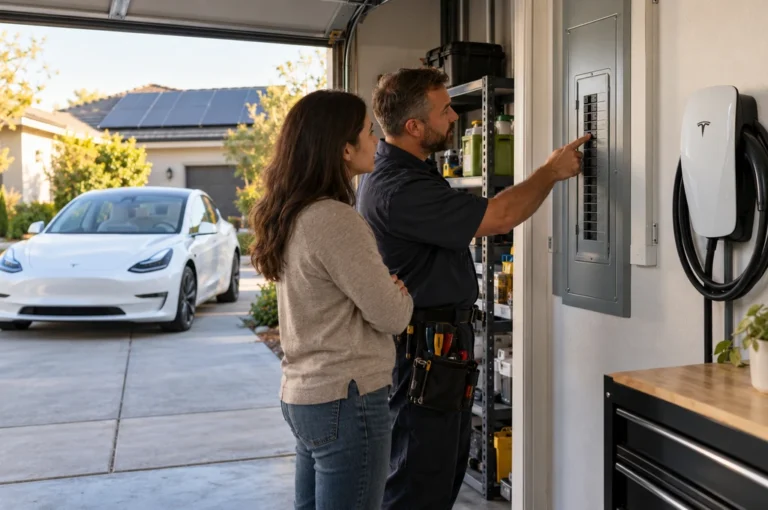
Solar panels generate electricity during the day. The sun sets, and production stops. This creates a mismatch between supply and demand. Batteries are the missing link. They store excess energy for later use. New batteries are expensive. The cost per kilowatt-hour (kWh) is high. Old EV batteries offer a much cheaper alternative. They are essentially free. The cost is mostly in the logistics and the installation of the storage system. This makes them highly attractive for solar energy storage. In North America and Australia, the solar markets are growing rapidly. Homeowners are installing rooftop systems. They need storage to maximize their investment. Second-life batteries provide a practical solution.
The Economic Race: Used vs. New Cells
The economics of this situation are delicate. Used batteries are cheaper, but they are also less efficient. They degrade faster than new cells. New cells are getting cheaper. The cost of lithium-ion batteries has dropped significantly over the last decade. This trend is expected to continue. Manufacturers are also developing new chemistries. These new chemistries offer higher energy density and longer lifespans. This puts pressure on the second-life market. If new cells are cheap enough, it makes little sense to install used ones. The efficiency loss might outweigh the cost savings. This is the core dilemma. The fate of old EV batteries depends on this race.
Real-World Applications in North America and Australia
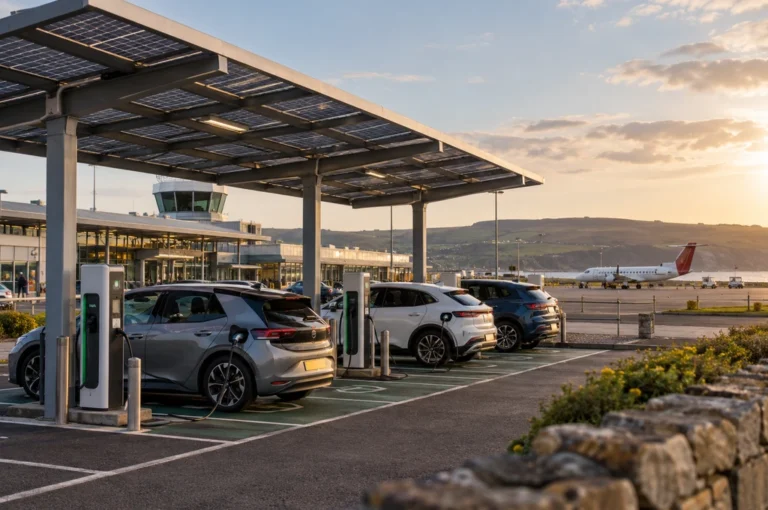
In North America, the focus is often on grid stability. The reuters[dot]com news outlet has reported on innovative uses. For example, the United States Forest Service is leveraging EV charging solutions for remote areas. These systems often incorporate battery storage to ensure reliability. In Australia, the adoption of solar is even more aggressive. The market is flooded with used batteries. Companies are developing systems to repurpose them for home storage. This aligns with the national push for energy independence. The infrastructure is in place to support this. It is a practical, real-world application of circular economy principles.
The Future Outlook
The future of repurposed batteries is uncertain. It depends on the price trajectory of new cells. If new cells remain expensive, the used battery market will thrive. It will become a standard component of solar energy systems. If new cells become very cheap, the market will shrink. Automakers might need to find other uses for these units. Perhaps they will be used for large-scale grid projects. Or they might remain in vehicles longer. The transition to electric mobility is complex. It is not just about replacing gas cars. It is about creating a new ecosystem for energy management. The fate of old batteries is a key part of that ecosystem. It is a story of economics, technology, and sustainability.
Frequently Asked Questions
Can old EV batteries really store solar power?
Yes, old EV batteries can store solar power. They retain significant capacity and are often repurposed for stationary energy storage systems.
Where is this technology most commonly used?
This technology is gaining traction in North America and Australia due to high solar adoption rates and the volume of end-of-life EV batteries.
Why aren’t we using new batteries for storage instead?
New batteries are expensive. Old EV batteries offer a cost-effective alternative, though they may have lower efficiency and shorter lifespans compared to new cells.
What happens to old EV batteries after they leave the car?
Currently, many are discarded, but the industry is shifting towards repurposing them for stationary storage to reduce waste and environmental impact.
Is it cheaper to use old batteries for solar storage?
Yes, generally speaking, old batteries are cheaper than new ones, making them an attractive option for solar energy storage systems.
What is the biggest threat to the second-life battery market?
The biggest threat is the falling cost of new lithium-ion cells, which could make repurposing less economically viable.
How much capacity do old EV batteries lose?
Old EV batteries typically retain 70% to 80% of their original capacity when repurposed for stationary storage.
Who is leading the adoption of this technology?
A combination of government agencies, utilities, and private companies in regions like Australia and North America are leading the adoption.
Will old batteries be used in grid-scale projects?
Yes, large-scale battery storage projects often utilize repurposed EV batteries to stabilize the electrical grid.
What is the environmental benefit of repurposing EV batteries?
Repurposing prevents the disposal of hazardous materials and reduces the need for mining new raw materials for new batteries.
Conclusion
The potential for old EV batteries store solar power is undeniable. It offers a pathway to a more sustainable energy future. Yet, the market is volatile. The price of new technology will dictate the fate of the used market. For now, in North America and Australia, the opportunity is too great to ignore. It is a practical solution to a complex problem.
Source: The Cool Down (thecooldown[dot]com)