
electric scooter: Japanese two-wheelers in India are undergoing an aggressive shift as manufacturers abandon conservative pricing to challenge domestic rivals in premium segments. For more than a decade, overseas giants watched Indian companies capture middleweight motorcycles and lifestyle commuters. That passive stance is now over.
Reports compiled by autocarindia[dot]com reveal that Honda initiated this reversal during a major showcase in Delhi. The company unveiled ten machines destined for local showrooms. More importantly, management attached realistic price tags to them. Enthusiasts in the country have suffered through excessive import tariffs and bloated retail rates for years. Now, product managers in Tokyo and New Delhi appear to understand the assignment.
electric scooter: Japanese Two-Wheelers in India: Key Highlights & Market Impact
Honda leads this tactical correction. The firm priced the Rebel 300 between Rs 2.22 lakh and Rs 2.62 lakh. It placed the dual-sport XR300L at Rs 1.83 lakh, while the adventure-ready XR300 Rally commands Rs 2.08 lakh. These numbers sit squarely against homegrown machinery. This fresh stance is redefining the standing of Japanese two-wheelers in India against fierce local rivals.
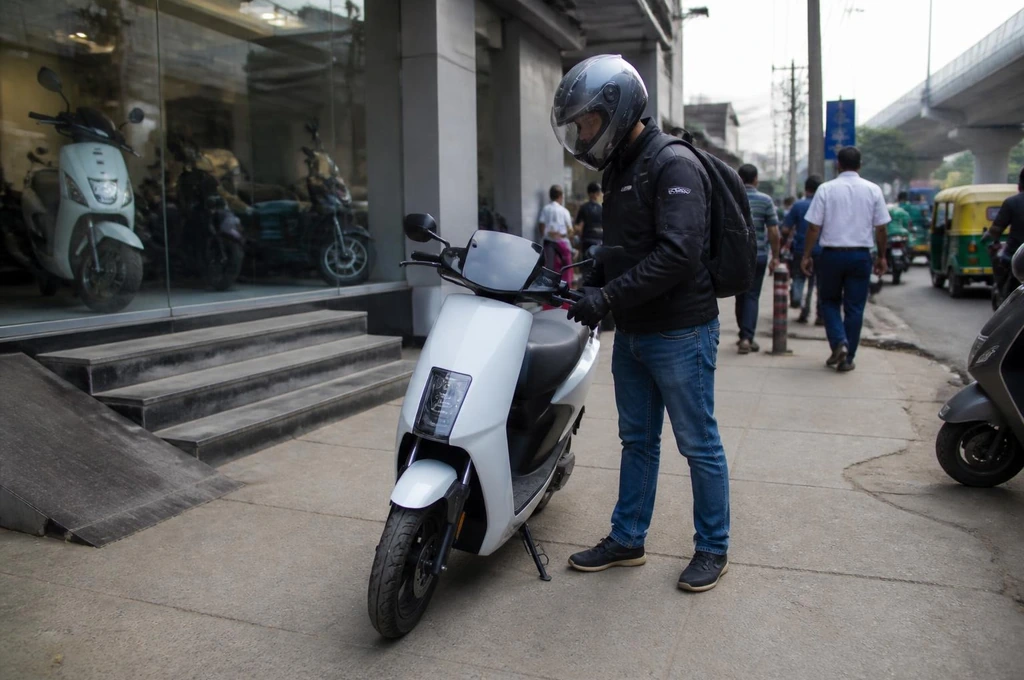
The company also introduced the ADV160 at Rs 1.7 lakh and the CB500 between Rs 2.75 lakh and Rs 3.02 lakh. Urban electric mobility received attention too. Honda revealed its QC3 electric scooter at Rs 1.35 lakh. That move mirrors the wider market disruption tracked by Bloomberg, where legacy brands must fight nimble electric startups. Riders shopping for urban commuters now compare established names with disruptors like the River Indie Now on Flipkart: A New Path to Buy the SUV Scooter or read an Electric scooter: Why Ampere Nexus EX+ IoT Scooter Is a practical choice.
| Model | Engine / Powertrain | Launch Price (Ex-Showroom) | Primary Competition |
|---|---|---|---|
| Rebel 300 | 286cc Single-Cylinder | Rs 2.22 – 2.62 Lakh | Royal Enfield Meteor 350 |
| ADV160 | 156.9cc Single-Cylinder | Rs 1.70 Lakh | Yamaha Aerox 155 |
| XR300L | 293cc Air/Oil-Cooled | Rs 1.83 Lakh | Hero XPulse 210 |
| XR300 Rally | 293cc Air/Oil-Cooled | Rs 2.08 Lakh | Yezdi Adventure |
| CB500 | 471cc Parallel-Twin | Rs 2.75 – 3.02 Lakh | KTM 390 Duke |
| QC3 EV | Electric Motor / Swappable | Rs 1.35 Lakh | Ather 450X, Ola S1 Pro |
Detailed Breakdown: What Caused the Strategic Pricing Shift
Here is why this change happened. Historically, the weakness of Japanese two-wheelers in India was never engineering. It was product positioning. Consider Honda’s earlier missteps. Back in 2022, the bare-bones CB300F debuted at Rs 2.29 lakh. It failed to justify that price tag. By contrast, the modern Rebel 300 carries superior components and stronger prestige yet costs less today. Revised goods and services tax brackets helped certain models, but internal margin adjustments drove the real shift.
Macroeconomic realities played a large role. Coverage from Reuters confirms that automotive manufacturers face flatlining domestic demand across East Asia. India remains the rare bright spot where young buyers possess expanding discretionary budgets. Indian manufacturers like Bajaj, TVS, and Royal Enfield built strong brand equity by giving riders displacement, tech, and style at accessible prices. Japanese boardrooms finally realized that offering stripped-down commuter bikes while hoarding their legendary names was a losing strategy.
What This Means for Readers & Future Outlook
Indian riders win big from this renewed corporate focus. For years, buying a multi-cylinder or specialized off-road bike from Japan meant paying double what international markets charged. Even flagship machinery reflects better sanity today. The Honda CB1000 Hornet SP commands Rs 13.29 lakh, which is competitive against European liter-class contenders.
On paper, aggressive showroom figures guarantee attention. In reality, sustained buying interest in Japanese two-wheelers in India will force competitors to improve quality. Homegrown players cannot rely solely on price advantages anymore. If Honda maintains localized parts sourcing and expands its premium sales network, other Japanese brands will have to follow. Expect Yamaha, Suzuki, and Kawasaki to reassess their Indian catalogs rapidly.
Frequently Asked Questions
Why did Japanese motorcycle brands take so long to price products competitively in India?
Japanese brands prioritized high-volume, low-margin commuter scooters for decades. They treated premium models as low-priority imports, which attracted heavy tariffs and inflated showroom prices.
What is the price of the Honda Rebel 300 in India?
Honda announced an ex-showroom price between Rs 2.22 lakh and Rs 2.62 lakh. This puts it into direct contention with domestic middleweight cruisers.
How does the Honda QC3 electric scooter compete in the Indian EV segment?
Priced at Rs 1.35 lakh, the QC3 enters the premium commuter tier. It targets urban riders seeking reliable manufacturing backed by Honda’s widespread service network.
Is the Honda XR300L built for off-road riding?
Yes. The XR300L is a dedicated dual-sport machine priced at Rs 1.83 lakh. It provides long-travel suspension and dual-purpose tires for mixed-surface riding.
Why is the CB500 pricing significant for twin-cylinder buyers?
At Rs 2.75 lakh to Rs 3.02 lakh, the CB500 brings twin-cylinder refinement into single-cylinder price territory. Previous 500cc imports from Japan often exceeded Rs 5 lakh.
Will Indian manufacturers like Royal Enfield lower their prices in response?
Indian manufacturers will likely upgrade features and standard equipment rather than slash prices outright. Increased rivalry forces every brand to offer more value per rupee.
Does the Rebel 300 benefit from favorable tax rates?
Yes. Sub-350cc motorcycles benefit from lower GST rates compared to larger displacements. Honda passed those tax advantages directly to the customer.
How does broader adoption of Japanese two-wheelers in India affect the electric sector?
It raises the bar for hardware reliability and after-sales support. As traditional giants introduce EVs, regional startups must prove durability to survive.
Are other Japanese brands expected to follow Honda’s strategy?
Yes. Industry observers expect Yamaha and Suzuki to review their mid-capacity lineups. Leaving Honda uncontested in the 300cc to 500cc bracket would cost them market share.
Where can customers purchase these premium Japanese motorcycles in India?
Honda distributes its mid-capacity and premium line through its BigWing dealership network. These specialized showrooms handle sales, accessories, and service for higher-tier models.
Final Thoughts on the Japanese Market Shift
The aggressive arrival of competitively priced Japanese two-wheelers in India proves that global executives no longer view the country as a secondary sales hub. Value and engineering must now go hand in hand.
Source: Autocar India (autocarindia[dot]com)