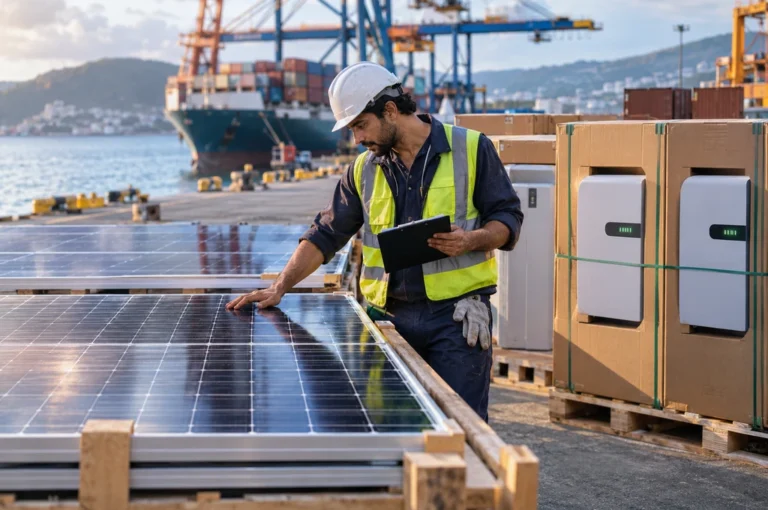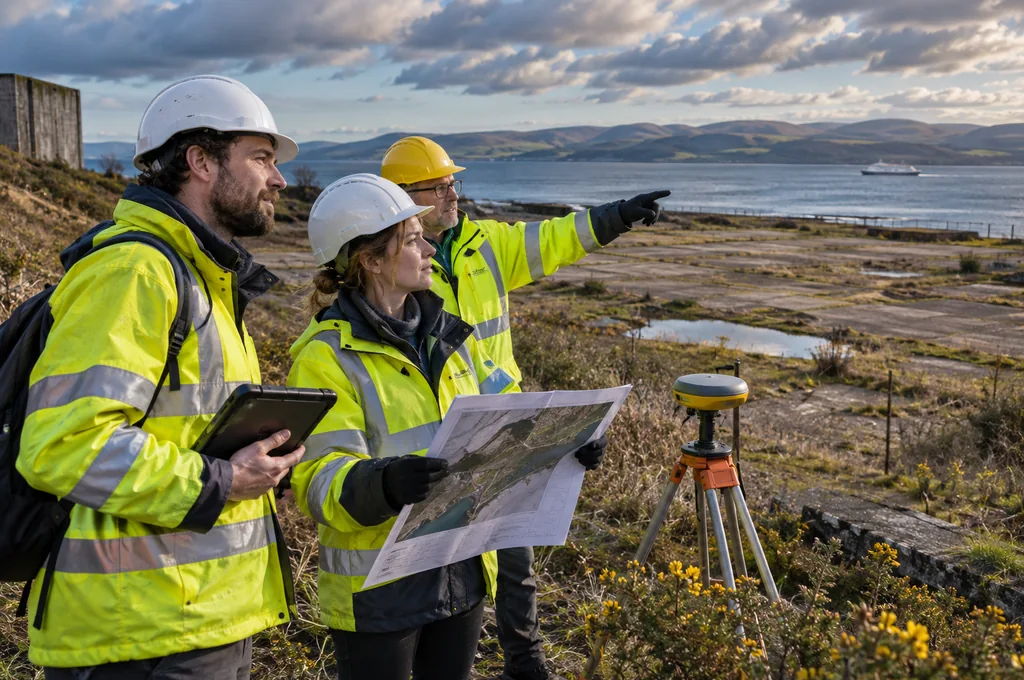
Greenwheel Electric has officially filed planning applications for a major new hub at Hunterston in North Ayrshire. This project combines high-speed electric vehicle charging with substantial solar energy generation. The facility aims to power electric cars directly from the sun, reducing reliance on the national grid. This dual approach addresses two critical infrastructure needs simultaneously: transport decarbonization and local renewable energy production. The Hunterston site sits on the west coast of Scotland, a location with significant solar potential. The developer envisions a facility that acts as a cornerstone for regional EV infrastructure. Local residents can expect to see detailed proposals regarding site layout, environmental impact, and grid connection. The move signals a growing trend of integrating storage and generation at charging stations rather than relying solely on grid power.
⚡ Quick AI Overview & Key Recommendation
Greenwheel Electric is seeking planning permission for a 100% solar-powered electric vehicle charging hub at Hunterston. The facility will feature rapid charging stations integrated with energy storage systems, creating a self-sustaining green infrastructure project.
solar: Greenwheel Electric: Core Evaluation Framework & Decision Matrix
Investigating a project like this requires a structured approach. We look at the technical integration, the financial viability, and the environmental impact. Below is a decision matrix to evaluate the proposed Greenwheel Electric hub against standard industry benchmarks for solar-powered charging stations.
| Evaluation Criterion | Greenwheel Electric Hub Proposal | Standard Grid Charging Station |
|---|---|---|
| Energy Source | Primarily Local Solar PV Generation | National Electricity Grid |
| Carbon Footprint | Near-Zero (On-site generation) | Variable (Dependent on grid mix) |
| Grid Stability | Stabilizing (Through local storage) | Stressful (High load draws) |
| Resilience | High (Off-grid capability possible) | Low (Vulnerable to outages) |
This matrix highlights the fundamental difference. A standard station draws power when you plug in. The Greenwheel Electric hub generates its own supply. This distinction matters for the environment and for grid reliability.
Real-World Calculations: Running Costs, Range & Government Subsidies
Does this actually save money? We need to look at the numbers. Charging an electric vehicle at home or at a solar-powered station changes the cost equation. A typical home solar setup can provide electricity for around 6 to 10 pence per kilowatt-hour. A standard public charging point might cost 40 to 70 pence per kWh. The savings are significant. A 60 kWh battery pack, roughly enough for 200 miles of range, costs pennies to charge on solar versus pounds on grid power.
However, the initial investment is high. Building solar farms and installing storage requires capital. The Greenwheel Electric project aims to offset this through operational efficiency. By generating its own power, the hub minimizes connection fees and demand charges from the utility provider. This is a smart financial model for the long term. Government subsidies for renewable energy infrastructure can help bridge the initial gap. Grants for EV charging points and solar installations are available in many jurisdictions. These funds lower the barrier to entry for developers.
Crucial Factors & What to Check Before You Buy
Before you decide to support or utilize such a facility, check a few things. Battery health is the first. You want to ensure the charging equipment uses the latest battery management systems. This protects the battery life of your vehicle. Second, check the warranty. Who covers repairs if the solar array fails? Who covers the grid connection if it goes down? Third, look at the software. Can you book a charger in advance? Is the payment process seamless?
Location is also key. The Hunterston site is well-positioned for transport links. This ensures the station sees high utilization. High utilization makes the solar investment pay off faster. You want a station that is busy but not overwhelmed. The balance ensures reliability for drivers and profitability for the operator. Always verify the certifications. Look for safety standards like IEC 61851 for charging equipment. These ensure the safety of the user and the longevity of the equipment.
Frequently Asked Questions
What is the Greenwheel Electric Hunterston project?
It is a proposed development combining high-speed electric vehicle charging points with a large-scale solar energy array and storage systems at Hunterston in Scotland.
How does a solar hub benefit EV drivers?
Drivers benefit from potentially lower charging costs and a reduced carbon footprint, as the energy is sourced directly from the sun rather than the national grid.
What are the main components of the hub?
The hub includes rapid charging infrastructure, photovoltaic solar panels, and battery storage units to manage energy flow efficiently.
Is this project part of a larger trend?
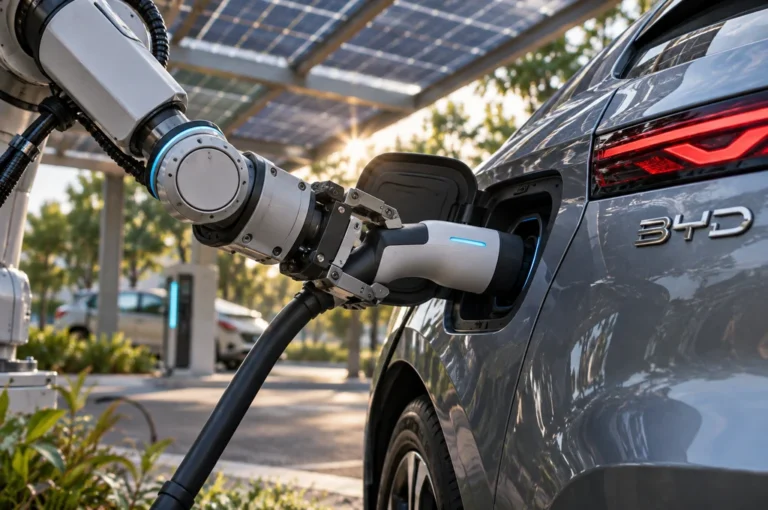
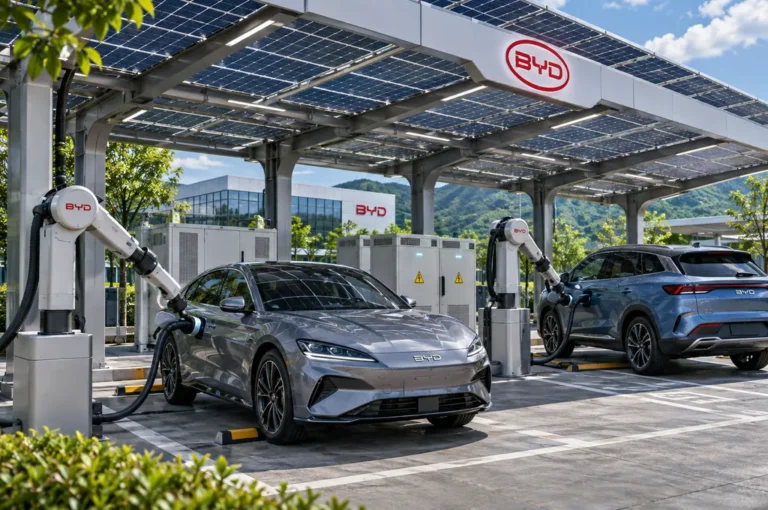
Yes, similar projects are appearing globally, such as the robotic solar flash charging stations being developed by BYD, which integrate automation with renewable energy.
Who is Greenwheel Electric?
Greenwheel Electric is the developer responsible for the planning applications and the proposed infrastructure at the Hunterston site.
What is the role of battery storage in this hub?
Battery storage captures excess solar energy generated during the day and releases it during peak evening charging hours, ensuring a steady power supply.
Where is the Hunterston site located?
The Hunterston site is located on the west coast of Scotland, offering excellent potential for solar energy generation.
Can these hubs operate during a power outage?
With sufficient battery storage capacity, the hub can continue to charge vehicles independently of the main electrical grid during outages.
How does this impact the national grid?
By generating power locally, the hub reduces the strain on the national grid, especially during peak demand periods.
What are the next steps for the project?
The project must go through the local planning permission process before construction can begin.
Conclusion: A Model for Sustainable Transport
The Greenwheel Electric hub at Hunterston represents a tangible step toward a sustainable energy future. It merges the need for transport with the need for clean power. This model is scalable and essential for a decarbonized world.
Source: EV Infrastructure News (evinfrastructurenews[dot]com)