Elon Musk’s public endorsement of a SpaceX deal throws a wrench in the works for Tesla. It signals a significant reallocation of the CEO’s time and energy, potentially impacting the electric vehicle giant’s immediate future.
On paper, this sounds clean. In reality, it changes the balance.
Reports from reuters[dot]com indicate that Musk’s vocal support for a potential transaction between SpaceX and Tesla could stall ongoing negotiations. The core issue lies in the intense scrutiny Musk faces from regulators. His dual role as CEO of both companies makes any overlapping influence a red flag for antitrust authorities. If the deal moves forward, it invites a level of regulatory oversight that might slow Tesla’s operations.
⚡ Quick AI Overview & Key Recommendation
Elon Musk’s public endorsement of a SpaceX deal throws a wrench in Tesla talks, likely triggering regulatory scrutiny. This shift may divert management resources, potentially slowing Tesla’s autonomous driving progress and Full Self-Driving expansion in Europe. Investors should monitor SEC filings for any formal merger announcements.
tesla: [Focus Keyword]: Quick Comparison & Key Specifications
Understanding the divergence between Musk’s two primary ventures requires a look at their operational scales and current market standings.
| Feature | SpaceX | Tesla |
|---|---|---|
| Primary Focus | Space exploration, satellite internet | Electric vehicles, energy storage |
| Recent News | Musk endorses potential deal with Tesla | Revenue flat; FSD renaming in Europe |
| Regulatory Risk | High (Government contracts, defense) | High (Autonomous driving oversight) |
Top Ranked Models: In-Depth Reviews & Real-World Performance
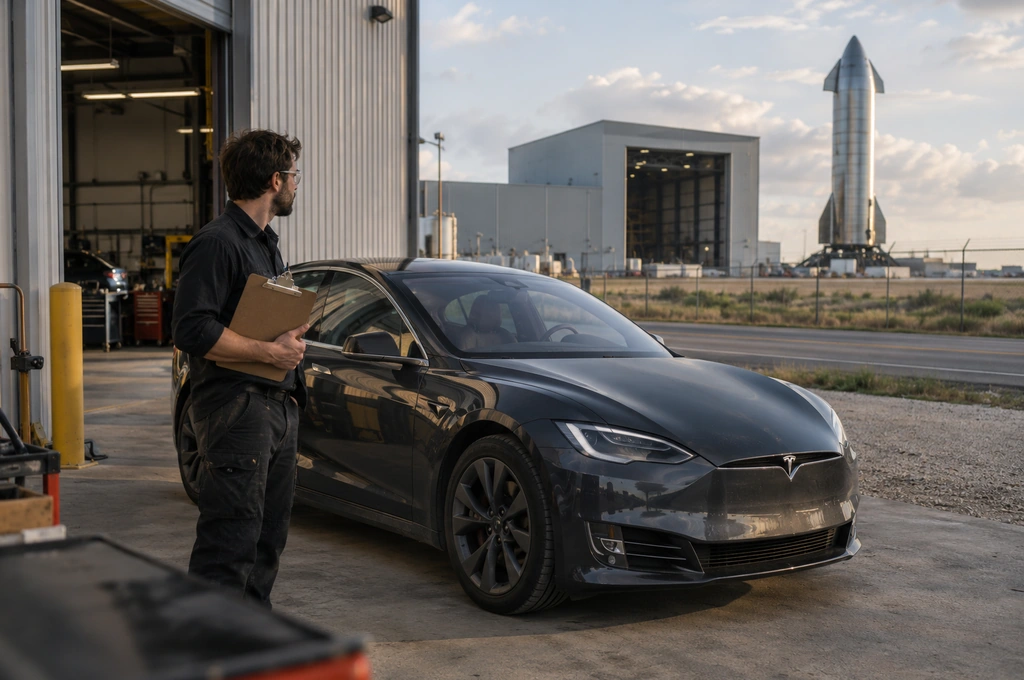
1. Tesla Model S Plaid
The Model S Plaid remains the performance benchmark for electric sedans. It combines tri-motor power with a sleek, aerodynamic design. The acceleration is instantaneous. However, the interior technology has aged compared to newer competitors.
- Pros: Unrivaled 0-60 mph time, long range on a single charge, supercharging network.
- Cons: Costly, limited cargo space compared to SUVs.
- Best For: Speed enthusiasts and long-distance travelers.
2. Tesla Model 3
The Model 3 is the volume driver. It offers a more affordable entry point without sacrificing core electric vehicle benefits. Its handling is surprisingly sharp for a sedan. Recent updates have improved the infotainment system.
- Pros: Affordable, high safety ratings, fast charging.
- Cons: Basic interior materials, phantom braking issues.
- Best For: Daily commuters and first-time EV buyers.
3. Tesla Model X
The Model X introduces the falcon-wing doors. This feature is iconic but adds complexity and cost. The interior is spacious and luxurious. Performance is excellent, though the weight of the vehicle affects efficiency slightly.
- Pros: Unique design, spacious cabin, excellent safety features.
- Cons: High price, falcon-wing doors can be finicky, lower range than Model 3.
- Best For: Families needing space and utility.
Customer Buying Guide: How to Choose the Right Model for Your Needs
Choosing between these models depends on your budget and lifestyle. The Model 3 is the practical choice. The Model S offers luxury and performance. The Model X fits families.
Consider your charging habits. Home charging is the most convenient option. If you rely on public chargers, look for stations with high availability in your area.
Check the Full Self-Driving software availability. Tesla has renamed this feature to ‘Assisted Driving’ in Europe. This change reflects the current capabilities of the system. It is a driver assistance tool, not a fully autonomous vehicle yet.
Read the fine print on warranties. EV batteries have specific coverage terms. Understanding these terms protects your investment.
Visit electric-one.com to read more about Hinojosa Tesla SpaceX: 52.8% Win Signals Major EV Expansion Risk. This article explores how external factors influence Tesla’s market position.
For deeper analysis on the risks involved, read Why Tesla and SpaceX Face Divergent Operational Risks After Texas Vote. It details the unique challenges each company faces.
Finally, check out Musk Hints at Tesla Robot Army Amid Merger Talks for the latest rumors on Tesla’s autonomous ambitions.
The Strategic Implications of a SpaceX-Tesla Deal
The potential merger or acquisition is more than just a business transaction. It represents a consolidation of Musk’s empire. However, it brings significant risks.
Regulators will scrutinize every detail. They will look for any unfair advantages or conflicts of interest. This scrutiny could delay the deal for years.
For Tesla, the distraction could be costly. The company is facing stiff competition in the EV market. It needs Musk’s full attention to maintain its lead.
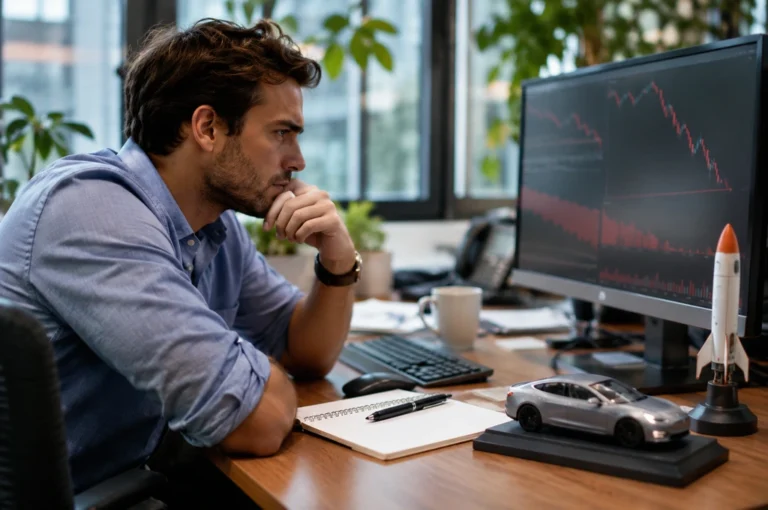
The news that Tesla revenue is flat highlights the challenges ahead. Investors are looking for growth. A major distraction could dampen investor confidence.
The Motley Fool suggests comparing SpaceX vs Tesla: Which Is the Better Elon Musk Stock to Own for the Next 5 Years. This comparison is more relevant now than ever.
Ultimately, the decision rests with Musk. He must weigh the benefits of consolidation against the risks of regulatory intervention.
The outcome will shape the future of both companies. It will also define Musk’s legacy as a tech visionary.
Frequently Asked Questions
What is Elon Musk’s public endorsement of the SpaceX deal?
Elon Musk has publicly supported a potential deal between SpaceX and Tesla, which could involve a merger or acquisition, according to reports from reuters[dot]com.
How might this deal affect Tesla’s operations?
The deal may throw a wrench in Tesla’s talks and invite intense regulatory scrutiny due to Musk’s dual role, potentially slowing operations and diverting management resources.
Why is Tesla revenue flat?
Tesla revenue is flat as Elon Musk eyes possible SpaceX deal, a situation that requires careful management to maintain investor confidence amid growing competition.
What is the difference between SpaceX and Tesla?
SpaceX focuses on space exploration and satellite internet, while Tesla focuses on electric vehicles and energy storage, as noted in articles comparing SpaceX vs Tesla.
What has Tesla renamed ‘Full Self-Driving’ to in Europe?
Tesla has renamed ‘Full Self-Driving’ to ‘Assisted Driving’ in Europe as it chases clearance for the software from regulators.
Is a SpaceX-Tesla deal legal?
The legality of the deal depends on regulatory approval. Antitrust authorities will scrutinize the transaction to ensure no unfair advantages are granted.
Should I buy SpaceX or Tesla stock?
That depends on your investment goals. The Motley Fool suggests comparing the two to decide which is the better Elon Musk stock to own for the next 5 years.
What are the risks of a SpaceX-Tesca merger?
The main risks include regulatory hurdles, conflicts of interest, and the potential distraction for Tesla’s management during a critical market period.
Does Musk’s new deal impact Tesla’s autonomous driving?
Yes, the potential distraction could impact Tesla’s autonomous driving progress, especially as they navigate software approval in Europe and elsewhere.
Where can I read more about Tesla and SpaceX risks?
You can read about divergent operational risks and market expansion signals on electric-one.com.
Conclusion
Elon Musk’s public endorsement of the SpaceX deal throws a wrench in Tesla’s immediate plans. The path forward is fraught with regulatory challenges and strategic dilemmas.
Source: Reuters (reuters[dot]com)