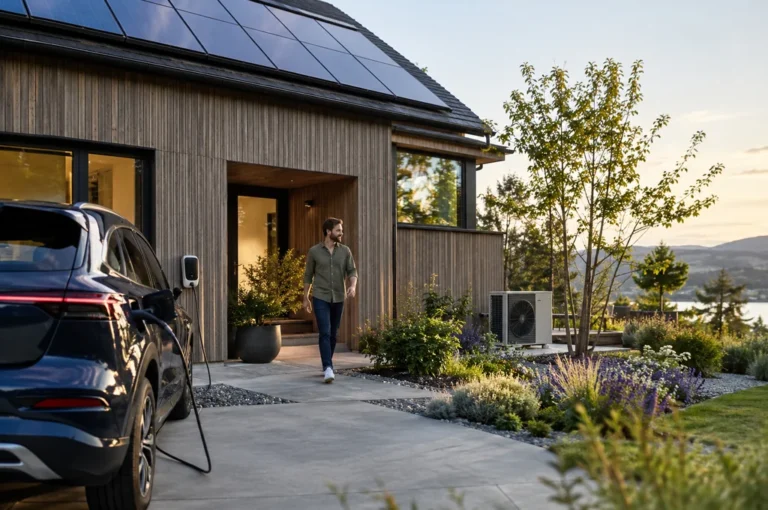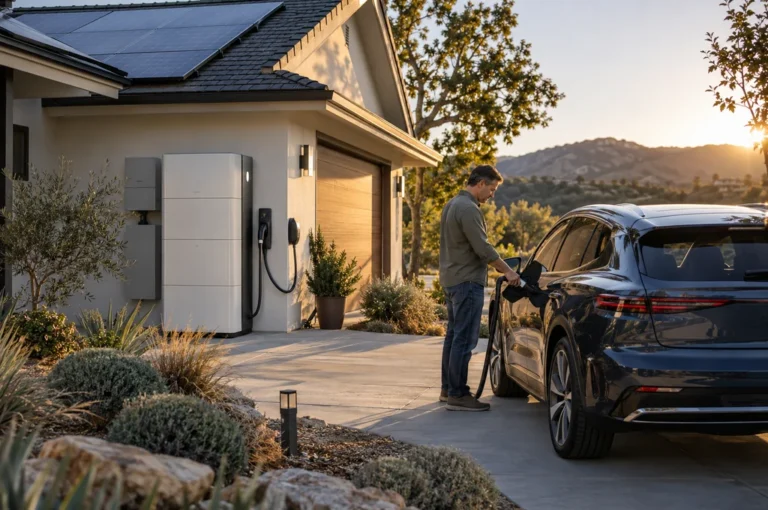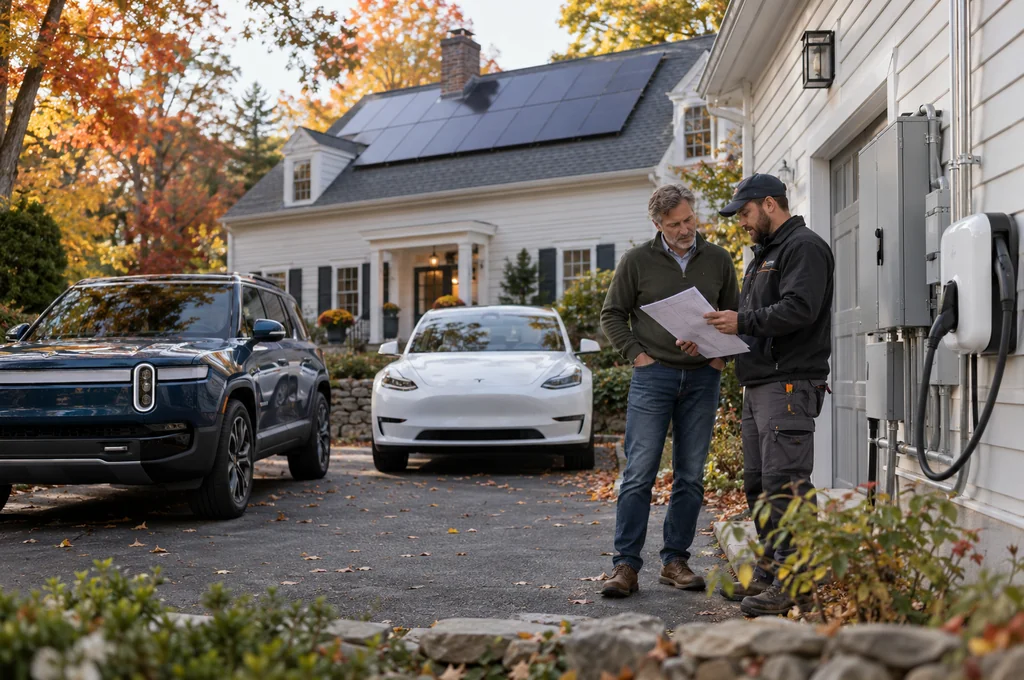
DIY solar for EVs represents a growing trend among homeowners looking to slash energy bills while supporting clean transportation. In Connecticut, a prospective buyer recently caught the attention of local media by planning to install a residential solar system to power not just the home, but two electric vehicles. On paper, the math looks clean. Two EVs require significant energy. A typical home solar setup can easily meet that demand. However, the reality changes the balance. State grid rules introduce friction that complicates the entire plan. The Cool Down reported on this specific case, noting that the buyer intends to go the do-it-yourself route to save on installation costs. This approach offers savings, but it also requires navigating a complex web of interconnection policies and potential net metering changes that could erode the financial returns.
⚡ Quick AI Overview & Key Recommendation
Connecticut homebuyer eyes DIY solar for two EVs, but grid rules could complicate the plan. While DIY installation cuts upfront costs, interconnection fees and changing net metering policies can significantly impact long-term savings. Homeowners must calculate the total system cost, including permitting and grid fees, before breaking ground. Consulting with a licensed electrician and local utility is essential to ensure compliance and maximize financial returns.
DIY Solar for EVs: Key Highlights & Market Impact
Connecticut homebuyer eyes DIY solar for two EVs, but grid rules could complicate the plan. This narrative highlights a broader shift in the residential energy market. More consumers are moving away from traditional retail electricity rates and toward self-generation. The allure is strong: lower monthly bills and energy independence. For a household with two electric vehicles, the daily energy consumption can exceed 100 kilowatt-hours. A standard residential solar array of 7 to 10 kilowatts is often necessary to cover this load plus household usage.
The DIY aspect adds another layer of complexity. While solar panels and inverters are widely available, the electrical work involved is not trivial. It requires a licensed electrician to ensure safety and code compliance. Furthermore, the connection to the local utility grid is strictly regulated. The state has specific requirements for grid interconnection. These rules are designed to protect the integrity of the electrical grid. They ensure that solar systems do not cause power surges or interfere with the utility’s ability to manage the grid. The Cool Down story emphasizes that the buyer is aware of these hurdles but is willing to tackle them. This determination reflects a new breed of energy-conscious consumer.
Market data supports this trend. The adoption of electric vehicles and residential solar is accelerating in the Northeast. While solar adoption has slowed in some states due to policy changes, Connecticut remains a competitive market for clean energy. The state offers incentives and rebates that can offset the initial investment. However, these incentives are often subject to availability and funding levels. Homeowners must act quickly to secure these benefits. The interplay between personal energy goals and public utility regulations creates a dynamic environment for solar adoption.
Detailed Breakdown: What Caused the Grid Complications
Why are grid rules so stringent? The answer lies in the nature of the electrical grid. It was not originally designed for distributed generation. Traditional power plants send electricity in one direction, from the source to the consumer. Solar panels send electricity in both directions. When the sun is shining and the homeowner is not using power, the excess flows back to the grid. This creates a technical challenge for utility companies. They must manage this bidirectional flow to prevent outages and equipment damage.
Connecticut has implemented specific interconnection standards to manage this flow. These standards dictate the technical specifications of the solar system. They include requirements for arc-fault detection, rapid shutdown capabilities, and monitoring systems. The DIY installer must ensure their system meets these exact specifications. Failure to do so can result in delays or rejection of the interconnection application. The Cool Down article mentions that the buyer is preparing for these bureaucratic hurdles. This preparation is wise. The application process can take several weeks or even months.
Another critical factor is net metering. Net metering is the policy that allows solar homeowners to receive credit for the excess electricity they send to the grid. In Connecticut, the net metering rules have evolved. Utilities have sought to reduce the credit rate for new solar installations. This change directly impacts the return on investment. If the credit for exported power is lower, the homeowner earns less money. This reduces the payback period for the solar system. For a DIY project, every dollar of savings counts. The potential reduction in net metering rates is a significant risk factor that must be carefully evaluated.
What This Means for Readers & Future Outlook
What should readers take away from this story? The decision to install DIY solar for EVs is not a simple upgrade. It is a significant financial and technical undertaking. Homeowners must look beyond the cost of panels and inverters. They must factor in the cost of permits, inspections, and interconnection fees. These fees can vary widely by town and utility company. Some towns charge high fees for the installation of solar systems. These costs can add up to thousands of dollars.
It is also essential to understand the local utility’s policies. Before signing a contract or buying equipment, homeowners should contact their utility company. They should ask about the interconnection process, the net metering rate, and any upcoming policy changes. Transparency is key. The Cool Down report serves as a reminder that the energy landscape is changing. Policies are subject to political and economic pressures. A plan that looks solid today might become less attractive tomorrow.
The future outlook for residential solar in Connecticut remains positive, despite these challenges. The state is committed to reducing carbon emissions. Solar energy is a central pillar of this strategy. The technology is becoming more efficient and affordable. The barriers to entry are lowering. However, the regulatory environment will continue to evolve. Homeowners must stay informed and adaptable. They must be prepared to adjust their plans as policies change. This requires a proactive approach to energy management. The DIY trend will likely continue as homeowners seek to take control of their energy costs.
| Factor | Impact on DIY Solar Project |
|---|---|
| Interconnection Fees | Can add significant upfront costs and delay project start. |
| Net Metering Rates | Lower rates reduce long-term financial returns on the investment. |
| Permitting Requirements | Mandatory for safety and code compliance; varies by municipality. |
| DIY Installation | Lowers labor costs but requires technical expertise and permits. |
Frequently Asked Questions
Can I install solar panels myself for my EV charging?
Yes, you can legally install solar panels yourself in Connecticut, but you must hire a licensed electrician to perform the final electrical connections to the grid and ensure safety compliance.
What are interconnection fees?
Interconnection fees are charges imposed by your utility company to review and approve your solar system’s connection to the grid, ensuring it meets technical safety standards.
How does net metering work in Connecticut?
Net metering allows you to receive credit on your utility bill for the excess electricity your solar system generates and sends back to the grid, offsetting the cost of the power you draw from the grid.
Will changing net metering rules hurt my savings?
Yes, if the credit rate for exported power decreases, your annual savings from the solar system will be lower, extending the time it takes to break even on your investment.
Do I need a battery for my DIY solar system?
While not strictly required by law, adding a battery storage system allows you to store excess solar energy for use during grid outages or peak rate hours, increasing your energy independence.
What permits do I need to install solar panels?
You typically need building permits for the structure and electrical permits for the wiring, which must be approved by your local municipal building department.
How long does the interconnection process take?
The interconnection process can take anywhere from a few weeks to several months, depending on the complexity of the system and the utility company’s review backlog.
Can I power two EVs with a standard home solar system?
It is possible, but you will likely need a larger system (7-10 kW or more) depending on the driving habits of the EV owners and the energy consumption of the home.
Are there rebates available for solar in Connecticut?
Yes, Connecticut offers various rebates and incentives through the Clean Energy Finance and Investment Authority (CEFIA), but funding levels can change and applications must be submitted before funding is exhausted.
What happens if my solar system produces more power than I use?
Any excess power produced is sent back to the grid, and you will receive credits on your bill through the net metering program, assuming you have an approved interconnection agreement.
Conclusion
The story of the Connecticut homebuyer underscores a critical reality: DIY solar for EVs is a powerful strategy for energy independence, but it demands a clear understanding of the regulatory landscape. The grid rules are not just bureaucratic hurdles; they are the framework that dictates the financial viability of the project. By carefully evaluating interconnection fees and net metering policies, homeowners can ensure their solar investment pays off.
Source: The Cool Down (thecooldown[dot]com)