
electric car: Cheaper EVs are fueling Europe’s boom by making zero-emission driving accessible to a mass market, shifting consumer behavior from niche luxury to mainstream necessity. The market isn’t just growing; it’s accelerating.
Key Highlights: Europe’s EV Acceleration
- Price Parity: Lower entry prices for models like the Hyundai Ioniq 3 are removing the main barrier to entry for European buyers.
- Government Incentives: Electric Car Grants and leasing schemes are effectively subsidizing the initial purchase cost.
- Business Adoption: Commercial fleets are rapidly electrifying to meet corporate sustainability targets.
- Global Context: While Europe surges, emerging markets like India are projected to hit 190,000 units by 2026.
Detailed Analysis: The Economics of Adoption
The surge isn’t accidental. It’s a calculated shift in economics.
The Shift to Affordability
Historically, the EV segment was the preserve of the wealthy. That gap is closing fast. Manufacturers are aggressively pricing their electric models to compete directly with internal combustion engines (ICE).
The Hyundai Ioniq 3 Example: With orders now open, the availability of the Electric Car Grant directly impacts the monthly outlay for consumers. It lowers the barrier significantly.
Here is why this matters. When the upfront cost drops, the total cost of ownership becomes the primary selling point. Running an EV is often cheaper than petrol, especially when charging at home. This dual benefit—lower entry price and lower running costs—creates a powerful market pull.
Commercial Fleets Lead the Charge
Businesses aren’t waiting for the average consumer. Commercial fleets are the engine room of this boom. Companies need to meet strict environmental regulations and corporate social responsibility (CSR) goals.
Take the recent news from JCT600 VLS. They launched a new electric car scheme for Travis Perkins. This isn’t just a purchase; it’s a strategic financial decision. Leasing allows companies to manage cash flow better while ensuring their fleet is modern. This B2B momentum trickles down to the consumer market as technology matures and supply chains stabilize.
Global Market Divergence
While Europe roars ahead, the global picture is nuanced. Emerging markets are just waking up to the potential of electric mobility.
Experts predict India’s electric car market will reach 1.9 lakh units by 2026. This shows the technology is universally applicable. The difference lies in infrastructure and policy speed. Europe is further ahead in charging network density and government support.
What This Means for Readers & Market Outlook
The current trend is a signal, not just a stat. For the average driver, it means options. You no longer have to compromise on range or features to go electric.
Practical Takeaways for Buyers
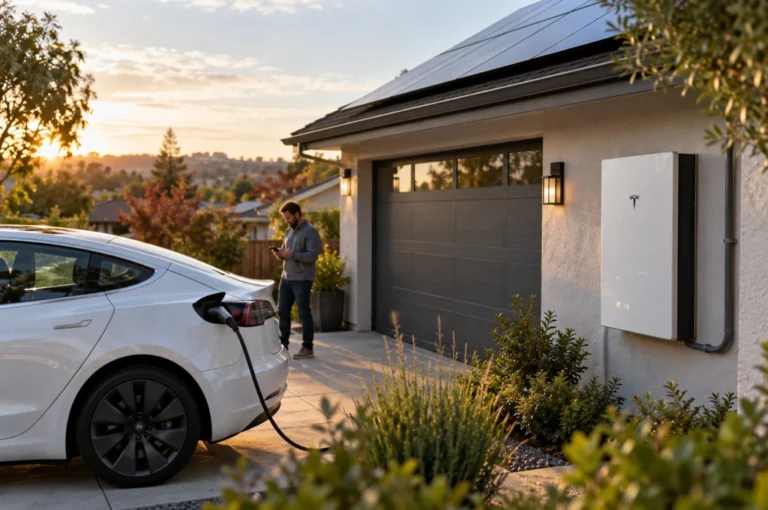
Don’t just look at the sticker price. Look at the incentives. The Electric Car Grant is a tangible discount. Combine that with a home charging setup, and the savings stack up.
Check out EV vs petrol running costs: how to do the maths yourself to see the long-term financial picture. It’s often more favorable than people assume.
The Road Ahead
Expect prices to stabilize further. As battery technology improves and production scales, the ‘cheap’ EV will become the ‘standard’ EV. The boom is sustainable because it’s driven by real financial logic, not just green virtue signaling.
However, challenges remain. Infrastructure needs to keep pace with the cars. Public charging etiquette is becoming a hot topic as queues grow. Be sure to review Public charging etiquette: 9 rules that keep the queue moving to ensure you’re a responsible user.
Investment Perspective
For investors and analysts, the trend is clear. The transition is irreversible. The focus will shift from volume to software and service integration. The era of the ‘cheap EV’ is just the beginning of the mass adoption phase.
The real takeaway is simple: affordability is the catalyst. Once the price point hits the sweet spot, adoption becomes inevitable.
Frequently Asked Questions
Why are cheaper EVs boosting Europe’s market?
Cheaper EVs are boosting Europe’s market by reducing the initial purchase barrier and making the total cost of ownership lower than petrol cars, attracting mainstream buyers.
How does the Electric Car Grant work?
The Electric Car Grant is a government subsidy that reduces the price of eligible EVs, making them more affordable for consumers.
Which European EV models are currently affordable?
Models like the Hyundai Ioniq 3 are becoming more accessible due to pricing strategies and government grants.
Is it cheaper to run an EV than a petrol car?
Yes, generally it is cheaper to run an EV than a petrol car due to lower energy costs and less frequent maintenance.
Are business EV schemes common?
Yes, many companies are launching electric car schemes to meet environmental targets and reduce operational costs.
What is driving the growth of the EV market in India?
Experts project India’s market will reach 1.9 lakh units by 2026 due to increasing adoption and policy support.
What is the impact of leasing on EV adoption?
Leasing allows companies to manage cash flow and avoid depreciation risks, accelerating fleet electrification.
Are EVs becoming more affordable?
Yes, manufacturers are aggressively pricing models to compete with internal combustion engines, driving down costs.
How does infrastructure affect EV adoption?
Charging infrastructure density is crucial for widespread adoption, though home charging is a major enabler.
What is the future outlook for the EV market?
The market is expected to grow sustainably as prices stabilize and technology improves.
Final Takeaway
The surge in Europe is a direct result of cheaper EVs making green driving a financial reality for the masses.
Source: insideevs[dot]com