
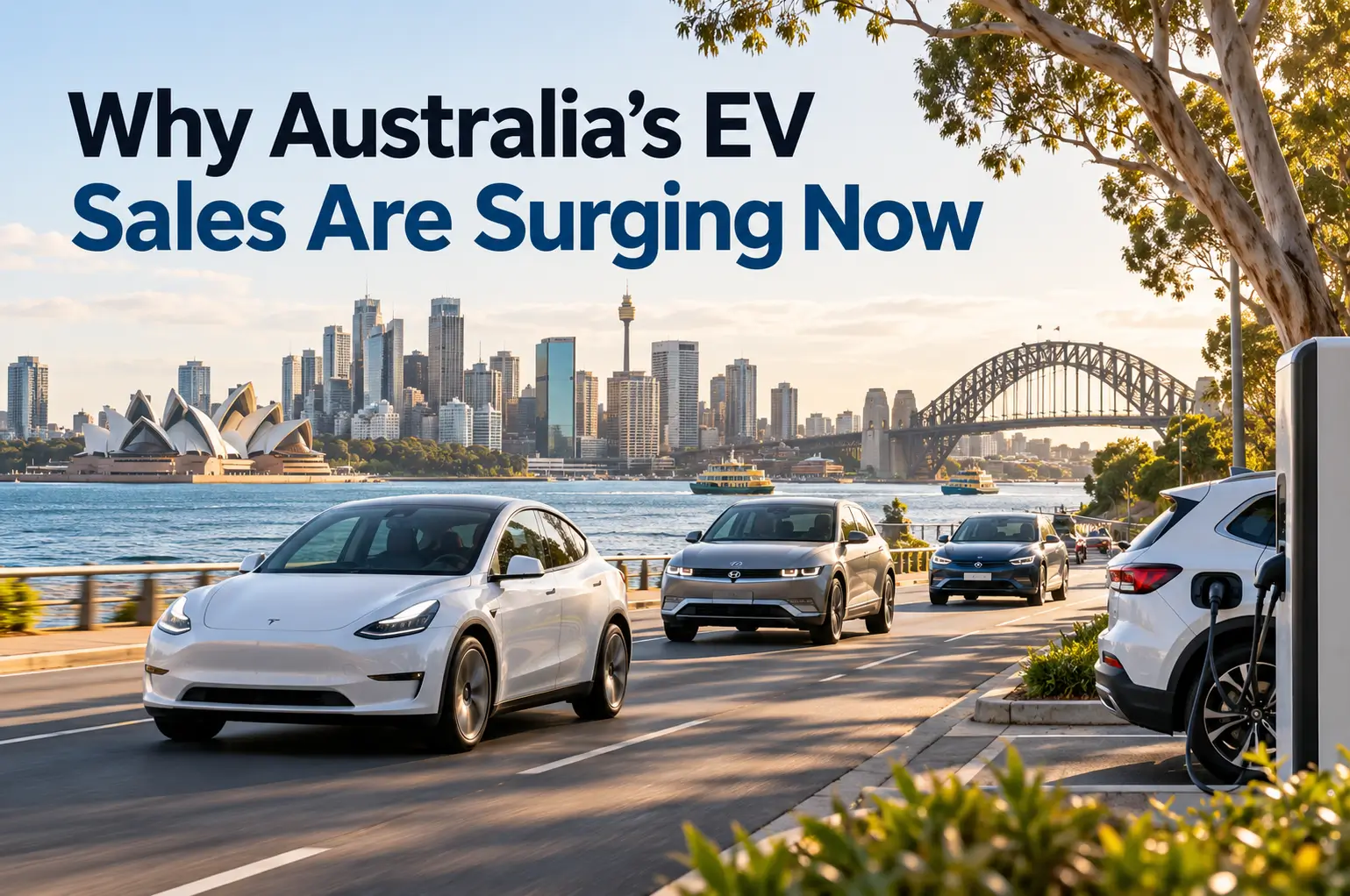
Australia’s EV sales are accelerating, not slowing down, driven by a perfect storm of fuel prices, model variety, and consumer demand. The market is shifting from niche luxury items to practical everyday transport. Data confirms a consistent upward trajectory in registrations, defying early skeptics who predicted a quick saturation point.
Key Highlights: Australia’s EV Surge
The numbers paint a clear picture of a maturing market. We aren’t seeing a flash in the pan; we are seeing a structural shift. Here is what is driving this momentum:
- Resilient Demand: Despite economic headwinds, EV registrations continue to climb steadily.
- Petrol Price Pressure: High fuel costs make the total cost of ownership (TCO) for electric vehicles increasingly attractive.
- Model Availability: Automakers are finally bringing affordable, long-range options to the Australian market.
Detailed Analysis: What’s Fueling the Momentum
Behind the headline numbers lies a complex interplay of economic and technological factors. It is not just about saving the planet; it is about saving money at the pump.
The Economics of Ownership
Here is the math. Australians are feeling the pinch at the bowser. When petrol hits $2.00 a litre, the range anxiety of an EV fades. The total cost of ownership for an electric vehicle is significantly lower than a comparable internal combustion engine (ICE) car. You charge at home for pennies; you fill up at the servo for dollars.
That is the real driver. The economic incentive is undeniable. It is not a luxury tax anymore; it is a rational financial decision.
Infrastructure Improvements
Range anxiety is real, but it is shrinking. The rollout of fast-charging networks across major highways and regional centers is closing the gap. You can drive from Sydney to Melbourne on a single charge without worrying about finding a power outlet. This infrastructure boost removes the biggest barrier to entry for hesitant buyers.
Consumer Sentiment
Opinion is hardening. The ‘early adopter’ phase is over. The ‘early majority’ is now stepping in. They see friends and colleagues driving Teslas and Hyundai Ioniqs. The social proof is powerful. When a reliable, everyday family car is available in EV form, the decision becomes much easier.
What This Means for Readers & Market Outlook
The implications are significant for both consumers and investors. For the average driver, the choice is no longer binary. You have options that fit every budget and lifestyle.
More Options on the Horizon
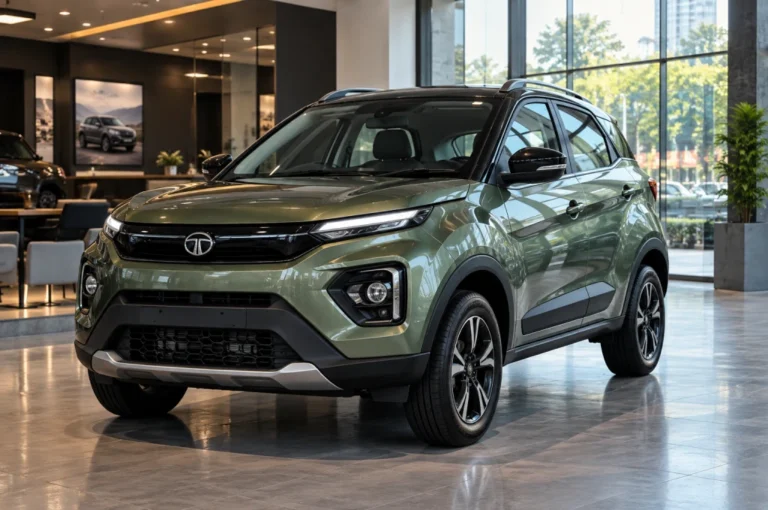
Expect a flood of new entrants. Chinese manufacturers are aggressively targeting the Australian market. We will see more budget-friendly sedans and SUVs hitting the roads soon. This competition will drive prices down and feature sets up. It is a healthy cycle.
Policy and Incentives
Government incentives play a role, but the market is becoming self-sustaining. As adoption grows, pressure on policymakers to maintain or enhance support structures will increase. However, the core demand is coming from the consumer, not the state.
The trend is clear. The transition is happening. Are you ready to make the switch?
Frequently Asked Questions
Why are Australia’s EV sales increasing so fast?
Australia’s EV sales are increasing due to lower running costs compared to petrol cars, improved infrastructure like fast-charging networks, and a wider variety of affordable models entering the market.
Is the EV market in Australia slowing down?
No, the market is not slowing down. Data indicates a consistent upward trajectory in registrations, driven by economic factors and improved consumer confidence in EV technology.
What is the main reason for buying an EV in Australia?
The primary reason is financial savings. The total cost of ownership is significantly lower because charging at home is much cheaper than buying fuel, especially with high petrol prices.
How does the Australian EV market compare to other countries?
While adoption rates vary, Australia is catching up quickly. The market is moving from a niche luxury segment to mainstream adoption, similar to trends seen in Europe and North America but with a focus on affordability.
Are there enough charging stations in Australia?
The network is expanding rapidly. Major highways now have multiple fast-charging options, and urban areas are becoming well-serviced, significantly reducing range anxiety for drivers.
Will EV prices drop in Australia soon?
Yes, increased competition from new manufacturers, particularly from China, is expected to drive prices down, making EVs more accessible to the average buyer.
Is range anxiety a major issue for Australian EV buyers?
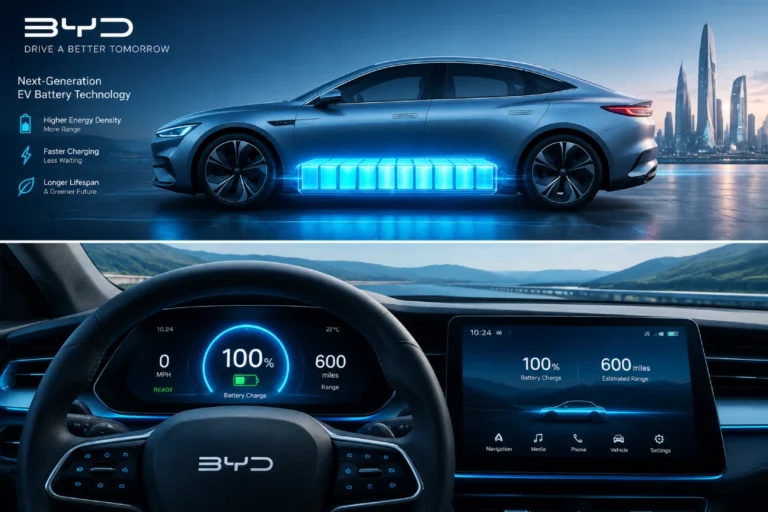
Range anxiety is decreasing as battery technology improves and charging infrastructure expands. For most daily driving needs, modern EVs offer sufficient range.
Are there affordable EVs available in Australia?
Yes, the market is diversifying. There are now several affordable models from established and new brands that cater to different budgets and needs.
How does the resale value of EVs compare to petrol cars?
EV resale values are currently strong and often outperform petrol cars, particularly for popular models, due to high demand and lower maintenance costs.
Conclusion
The narrative that Australia’s EV sales surge is dying down is simply false. Driven by economic realities and better technology, the momentum is building. The transition to electric is no longer a question of ‘if’ but ‘when’ for the average Australian driver.
Source: torquecafe.com