
Finding the cheapest electric cars no longer forces buyers to compromise on driving range or build quality. Modern battery pack manufacturing and sharp price wars have pushed entry costs down across regional dealerships. The automotive market is undergoing a structural transformation as legacy builders and overseas upstarts fight directly for mainstream shoppers.
Cheapest Electric Cars: Key Highlights & Market Impact
Price parity between combustion models and battery platforms is arriving faster than many analysts predicted. Auto reporting from yahoo[dot]com notes that the segment for entry-level electric cars is expanding rapidly as supply chains stabilize. Drivers now see dependable urban hatchbacks and compact crossovers priced well below historic averages. High sticker prices previously kept everyday buyers out of dealerships. That barrier is crumbling.
Consider the broader registration figures reported across Europe. The Central Statistics Office in Ireland revealed through tuamherald[dot]com that electric car licensing jumped 54 percent in September alone. Buyers respond instantly when monthly payments drop. In Britain, sales figures noted by techradar[dot]com showed brands such as BYD and Leapmotor pushing electric registrations to new monthly highs. Western buyers want value, and factory competition is delivering it.
| Vehicle Segment | Average Starting Target | Target Real-World Range | Primary Market Advantage |
|---|---|---|---|
| Compact City Hatchback | Under $25,000 / £22,000 | 150–190 miles | Lower insurance and agile city parking |
| Subcompact Crossover | $26,000–$32,000 | 200–240 miles | Family utility with standard driver assist |
| Mid-Sized Budget Sedan | $30,000–$35,000 | 250–280 miles | Aerodynamic efficiency and lower highway consumption |
Buyers looking at the cheapest electric cars today discover that entry-level models feature standard equipment that used to cost thousands extra. Heat pumps, fast DC charging ports, and active driver assistance packages are standard equipment now. The baseline expectation has shifted.
Detailed Breakdown: What Caused the Budget EV Surge
Lithium iron phosphate battery chemistry is the biggest engine behind this change. These cells cost significantly less to manufacture than traditional nickel-cobalt formulas. They last through thousands of charge cycles and show superior thermal resistance under stress. Automakers pass these production savings directly to car lots to capture early brand loyalty. According to macroeconomic data tracked by clean transport market research, pack prices per kilowatt-hour fell consistently over recent quarters.
At the same time, legacy automakers must protect their volume lines against aggressive foreign manufacturing. While companies that build the cheapest electric cars operate on razor-thin margins, volume keeps factories running at scale. Tariffs could soon alter imports in Western markets. Trade authorities monitor state-backed competition, and regulatory adjustments may reshape pricing structures overnight. Yet domestic brands cannot afford complacency.
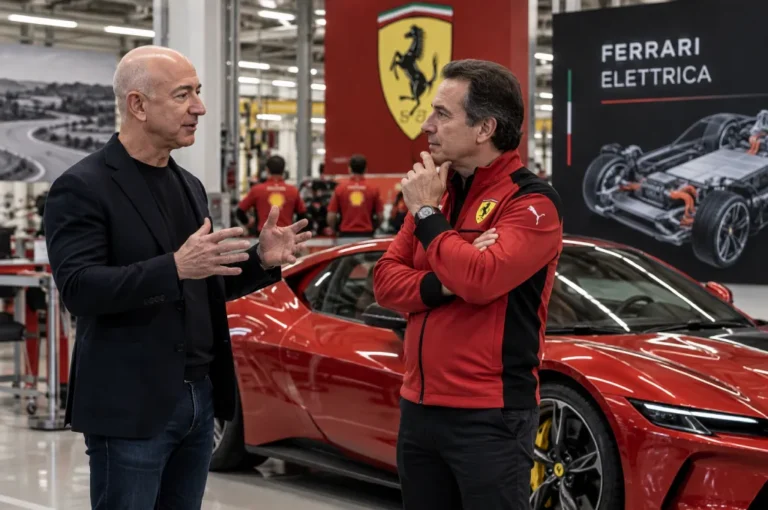
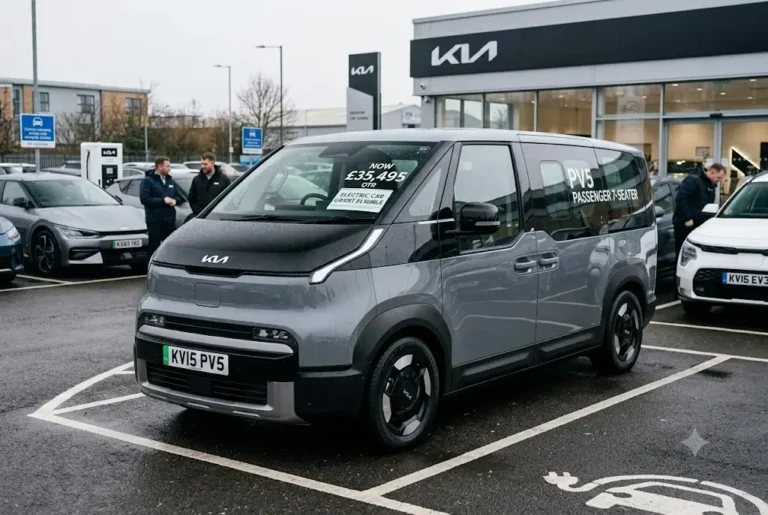
Even luxury automakers feel this pressure from below. Data published by electriccarsreport[dot]com revealed that Mercedes-Benz achieved record electric sales in late 2026, carried by high demand for its electric GLC. When premium marques expand down into approachable luxury tiers, volume manufacturers must price lower to survive. Practical commercial and passenger vans also join the push, with models such as the Kia PV5 Passenger 7-seat eligible for Electric Car Grant showing that multi-seat options now compete on price.
What This Means for Readers & Future Outlook
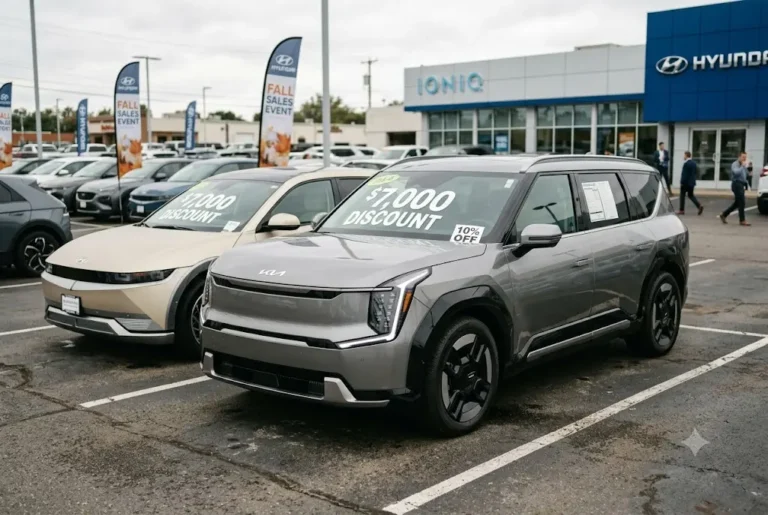
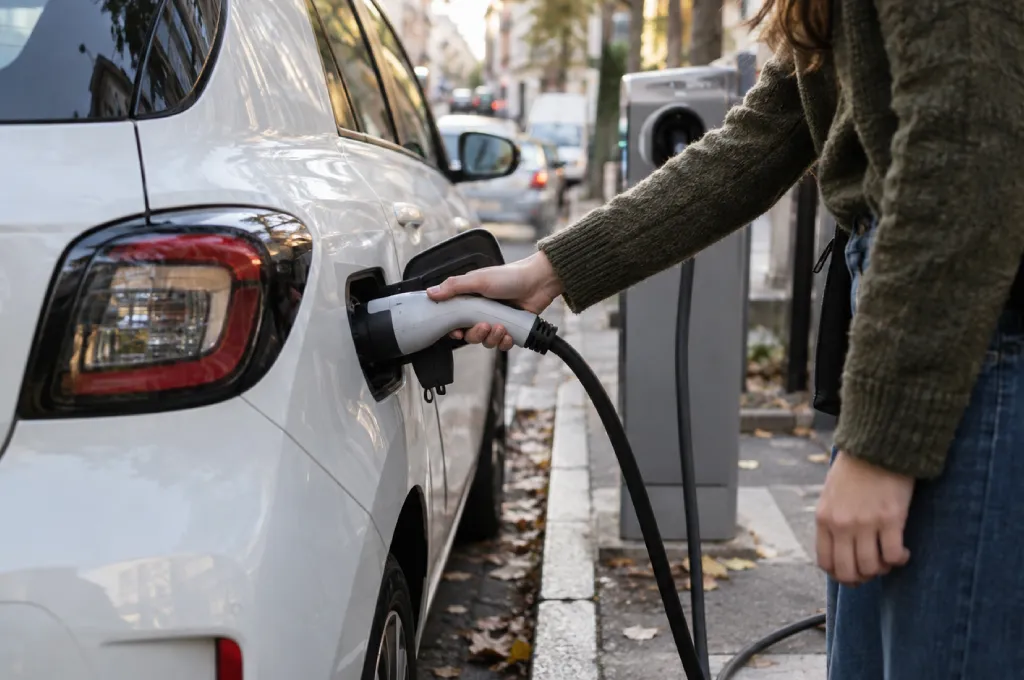
Car shoppers hold real leverage right now. Dealerships that once demanded hefty premiums above MSRP must now offer cash incentives and low interest financing rates. Running costs remain attractive as well, particularly for drivers with access to affordable home charging or municipal curbside plugs. Urban projects such as On-Street Electric Car Charging to Get Cheaper in Brighton and Hove show how local councils work to keep daily operating expenses low.
Before signing an agreement, evaluate your real-world driving patterns rather than buying excess battery capacity. A car with a smaller pack costs thousands less up front, weighs less, and uses less electricity per mile. Research published by international trade data confirms that regional subsidies continue to evolve. Check local rebates, examine total ownership costs, and evaluate residual value curves via automotive asset valuation resources before selecting your next daily driver.
- Assess daily commuting mileage before picking large battery options.
- Verify charging speeds on DC networks to ensure smooth highway travel.
- Compare lease rates, because automakers frequently pass regional subsidies through lease programs.
- Review domestic warranty coverage on electric drive motors and pack hardware.
Frequently Asked Questions
What is the typical starting price for the cheapest electric cars?
Most entry-level models currently target starting prices between $22,000 and $28,000 before government incentives. Regional tax credits and localized subsidies can reduce initial costs even further.
How far can entry-level budget electric vehicles drive on one charge?
Budget electric models typically offer between 150 and 240 miles of EPA or WLTP range. This capacity comfortably handles daily city commutes and moderate suburban driving routines.
Why are manufacturers able to lower EV prices so quickly?
The adoption of lithium iron phosphate battery chemistry dramatically lowers raw material costs. Streamlined manufacturing and intensified global competition also pressure automakers to trim profit margins.
Do cheap electric cars cost more to insure?
Insurance premiums depend on model repair costs and local risk pools. While high-performance luxury models carry elevated rates, standard budget hatchbacks generally feature predictable insurance tiers.
Can low-cost electric vehicles handle public DC fast charging?
Yes, nearly all modern entry-level models support DC fast charging. Most recharge from 10 percent to 80 percent in approximately 30 to 45 minutes on commercial chargers.
Will proposed import tariffs make budget electric vehicles more expensive?
Tariffs can raise consumer prices on imported cars from specific regions. However, competing domestic and European builders often adjust production locally to keep budget models competitive.
Is home charging mandatory when buying a budget EV?
Home charging is not mandatory, but it delivers the lowest operating cost per mile. Drivers relying entirely on commercial charging stations pay higher rates but still save relative to gasoline.
How long do batteries last in lower-cost electric models?
LFP batteries used in affordable cars routinely last over 2,000 charge cycles. Automakers typically guarantee them with eight-year or 100,000-mile factory warranties.
Are cheap electric cars safe in standard crash testing?
Yes, budget models must pass identical government crash and occupant safety benchmarks as luxury vehicles. Most come standard with automatic emergency braking and lane-keeping assistance.
Should drivers buy or lease a low-cost electric car?
Leasing protects drivers against rapid battery tech obsolescence and softens residual value depreciation. Buying makes financial sense if you plan to keep the vehicle beyond five years.
Final Verdict on the Budget Electric Era
Affordable battery mobility is no longer an abstract promise for the distant future. The arrival of the cheapest electric cars across major dealerships proves that modern platform efficiency can serve everyday household budgets. Drivers who evaluate their mileage habits and take advantage of regional incentives will find capable options that cut transportation overhead without compromise.
Source: Yahoo Autos (autos[dot]yahoo[dot]com)