
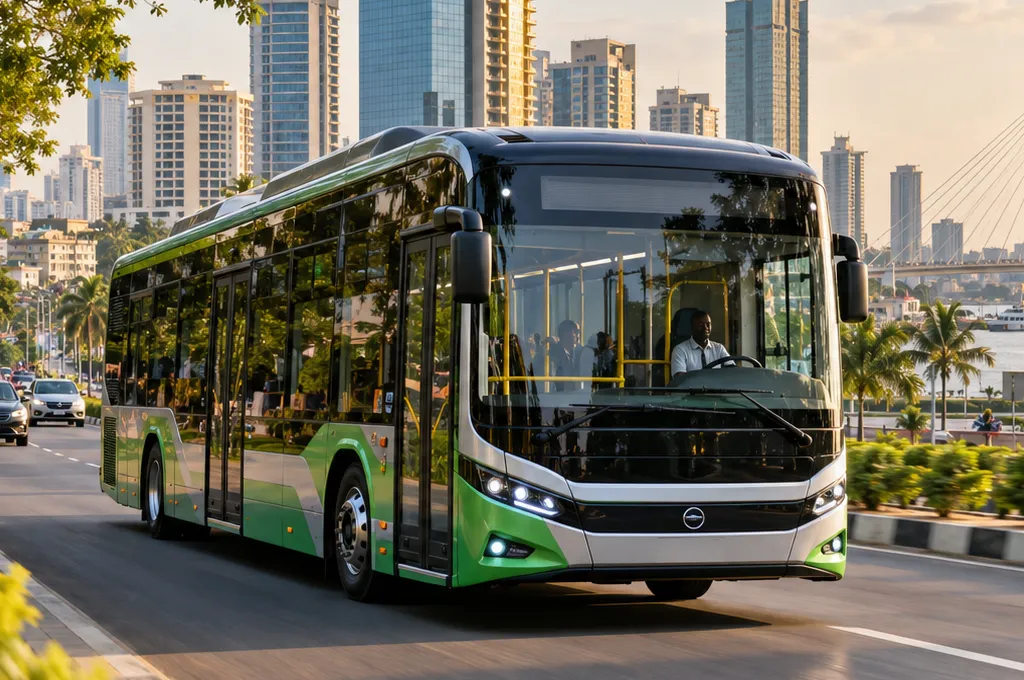
electric vehicles: Why Lagos banned diesel buses: the state government has officially halted the registration of new diesel-powered vehicles for the regulated transport fleet, replacing them with compressed natural gas (CNG) and electric options. This decisive move directly tackles the city’s chronic pollution crisis and signals a major infrastructure overhaul.
The decision prioritizes public health and environmental sustainability over traditional energy sources. By restricting diesel, Lagos aims to drastically reduce the toxic smog that frequently chokes its megacity streets. The new regulations effectively mandate a transition to cleaner energy alternatives for commercial transport operators.
Key Highlights: Lagos Transport Overhaul
- Immediate Restriction: No new diesel buses are allowed in the regulated fleet.
- Mandatory Transition: Operators must switch to CNG or electric vehicles.
- Pollution Control: A direct response to the severe air quality issues in Lagos.
- Regulatory Enforcement: Strict monitoring by transport authorities to ensure compliance.
Detailed Analysis: The Shift to Clean Energy
Why the Ban Matters
Driving a diesel bus in Lagos is no longer just a regulatory headache; it is becoming an economic impossibility. The government’s ban is a hard stop on a legacy of environmental degradation. Diesel engines are notorious for emitting high levels of particulate matter and nitrogen oxides, which contribute to respiratory diseases and acid rain. In a densely populated city like Lagos, the cumulative effect of thousands of diesel buses creates a health crisis.
The shift isn’t just symbolic. It is a structural change designed to force the market toward viable alternatives. While electric vehicles (EVs) are often cited as the gold standard for zero emissions, the infrastructure for charging them in a megacity can be complex. This is where CNG comes in as a critical bridge technology.
The Role of CNG and Electric Vehicles
Compressed natural gas offers a practical, immediate solution. It burns cleaner than diesel, significantly reducing particulate emissions without requiring the massive overhaul of charging station networks that pure electric buses demand. However, the Lagos government is not stopping at CNG; they are aggressively pushing for electric vehicles (EVs) as the long-term goal. This dual approach ensures that the city doesn’t just swap one problem for another.
Investors and transport operators are watching closely. The move aligns with global trends where major automotive manufacturers are pivoting their strategies. For instance, Reuters reports that global auto giants are investing billions into electric and alternative fuel technologies, a trend that Lagos is now capitalizing on locally. The state is effectively creating a market for these technologies by mandating their use.
What This Means for Readers & Market Outlook
Impact on Commuters
For the average commuter, the most immediate impact will be a potential adjustment period. Newer buses might be fewer in number initially, and there might be a learning curve for operators adapting to CNG refueling. However, the long-term payoff is a cleaner, quieter, and potentially smoother ride. Reduced engine noise and vibration are common benefits of CNG and electric motors.
Economic Implications for Operators
Transport union leaders and private fleet owners face a financial reality check. Retrofitting or purchasing new CNG or electric buses requires capital. The government must balance this with incentives to make the transition affordable. If the costs are too high, the ban could lead to a shortage of transport capacity, hurting the people it intends to serve.
On the other hand, the move opens doors for local and foreign investment in green energy infrastructure. Companies specializing in EV charging and CNG conversion stand to benefit significantly from this policy shift. The market is moving toward sustainability, and Lagos is setting the pace for other developing megacities to follow suit.
Frequently Asked Questions
Why did Lagos ban diesel buses?
Lagos banned diesel buses to combat severe air pollution and improve public health by mandating cleaner energy alternatives like CNG and electric vehicles.
What vehicles are allowed in Lagos now?
The regulated fleet now exclusively mandates the use of compressed natural gas (CNG) buses and electric vehicles.
Is this policy permanent?
Yes, the ban on new diesel registrations is a permanent regulatory measure aimed at a long-term structural overhaul of the transport sector.
How will the ban affect transport fares?
Fares may initially fluctuate due to the costs of new vehicles and infrastructure, but they should stabilize as the market adjusts to cleaner technology.
What is CNG?
Compressed Natural Gas is a fossil fuel substitute that burns cleaner than diesel, producing fewer harmful emissions.
When did the ban take effect?
The ban on new diesel bus registrations is currently in effect as part of the state’s latest transport regulatory framework.
Are there incentives for switching to EVs?
The government is expected to provide incentives and support to help transport operators afford the transition to electric and CNG fleets.
How does this compare to other cities?
Lagos is following in the footsteps of global cities like London and Paris, which have implemented strict bans on diesel vehicles to reduce emissions.
What happens to existing diesel buses?
Existing diesel buses in the regulated fleet can continue to operate until they are retired, but no new ones can be registered.
Who monitors compliance with the new rules?
Lagos transport authorities are responsible for enforcing these regulations and monitoring the new fleet registrations.
Conclusion: A Cleaner Future for Lagos
The Lagos diesel bus ban is more than a policy change; it is a bold declaration of intent to secure a healthier, more sustainable future for its citizens. By mandating CNG and electric vehicles, the state is tackling the root causes of urban pollution head-on. This transition, though challenging, is essential for the long-term viability of the megacity.
Source: THISDAYLIVE