

solar panels vs evs: Deciding between a solar panel system and an electric vehicle often comes down to dollars and cents. The promise of lower energy bills and cheaper driving is attractive, but the upfront costs are significant. The Australian recently tested these technologies head-to-head to see if the long-term savings actually materialize for the average homeowner. The results show a complex picture where incentives and usage patterns play a massive role.
⚡ Quick AI Overview & Key Recommendation
Installing solar panels with battery storage typically yields a 10 to 15 percent return on investment over 10 years. An electric vehicle saves approximately $1,000 to $2,000 annually in fuel costs compared to petrol cars. For the best financial outcome, prioritize a high-efficiency solar system first, then consider an EV once you have an off-peak charging setup.
Solar Panels vs EVs: Core Evaluation Framework & Decision Matrix
Choosing between these two green investments requires a clear framework. One is a stationary asset generating power; the other is a mobile asset consuming it. The math changes entirely depending on how much electricity you use and how far you drive.
Here is a practical comparison of the core variables:
| Factor | Solar Panel System | Electric Vehicle (EV) |
|---|---|---|
| Primary Function | Generate and store electricity | Transportation |
| Upfront Cost | High (Installation & Equipment) | High (Vehicle Purchase Price) |
| Operational Cost | Minimal (Maintenance & Grid Fees) | Low (Charging vs. Fueling) |
| Resale Value Impact | Increases Home Value | Depreciates like a standard car |
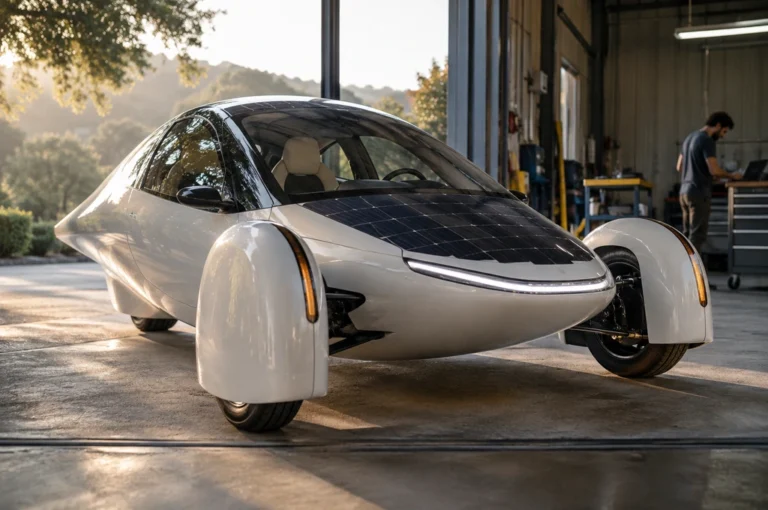
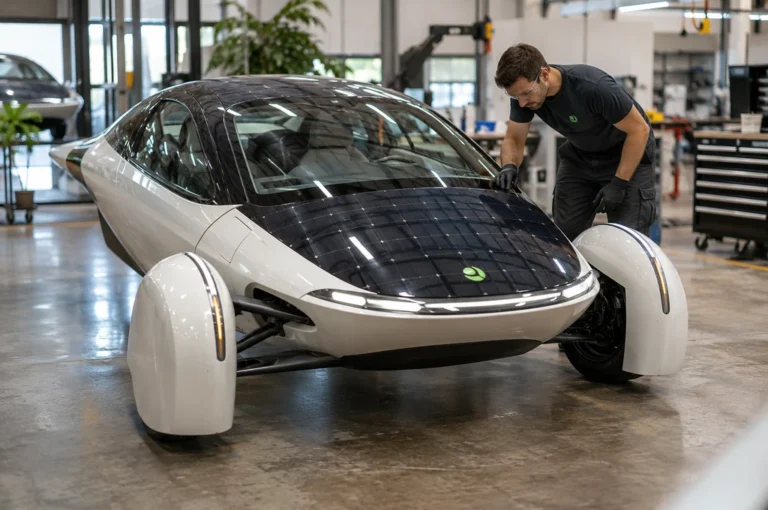
Autoblog recently highlighted a new solar-powered EV that claims 40 free miles of range per day. While innovative, this technology is not yet mainstream. The financial reality for most drivers remains grid-charging. To maximize your return, you must first evaluate your daily energy consumption habits.
Real-World Calculations: Running Costs, Range & Government Subsidies
Breaking down the numbers reveals where the money actually goes. A standard petrol car costs significantly more to fuel than an EV, but the solar panel installation is a sunk cost. The interplay between the two determines your true savings.
Consider the cost of charging. If you charge your EV from a standard grid outlet, you are paying retail electricity rates. This erodes some of the fuel savings. However, if you charge using solar power, the cost per kilowatt-hour drops to near zero. The Australian analysis suggests that homes with solar arrays see the highest return on investment when they also own an EV.
Government subsidies play a pivotal role. Many regions offer rebates for solar installations and tax credits for EV purchases. These incentives can reduce the payback period by several years. Investors should track these programs closely, as they change frequently. For example, a recent budget announcement regarding import duties could affect the price of both solar panels and electric vehicles, altering the cost structure for new buyers.
The concept of “driving for free” is alluring. A top news outlet recently reported on a car that allows 400km for a small amount of money. While that sounds like a dream, most standard EVs offer similar efficiency when charged at home. The real financial test is not just the per-mile cost, but the total cost of ownership over five years.
Crucial Factors & What to Check Before You Buy
Before committing to either purchase, specific technical and financial checks are essential. The warranty terms for batteries are often the most overlooked aspect of these investments.
- Battery Warranty: Check the warranty depth of discharge and degradation rates. A battery losing 10% capacity in five years is normal; losing 30% is not.
- Grid Interaction: Ensure your home can handle the load of a solar system and an EV charger simultaneously.
- Charging Speed: Verify if your home has a Level 2 charger. Fast charging at home is a game-changer for convenience and cost.
After-sales service is another critical factor. Solar panels need cleaning and occasional maintenance. EVs require software updates and mechanical servicing. Choosing a provider with a strong local support network prevents future headaches. The resale market for both assets is growing, but it is not yet as liquid as traditional real estate or vehicles. Buyers will look for clear maintenance records and system performance data.
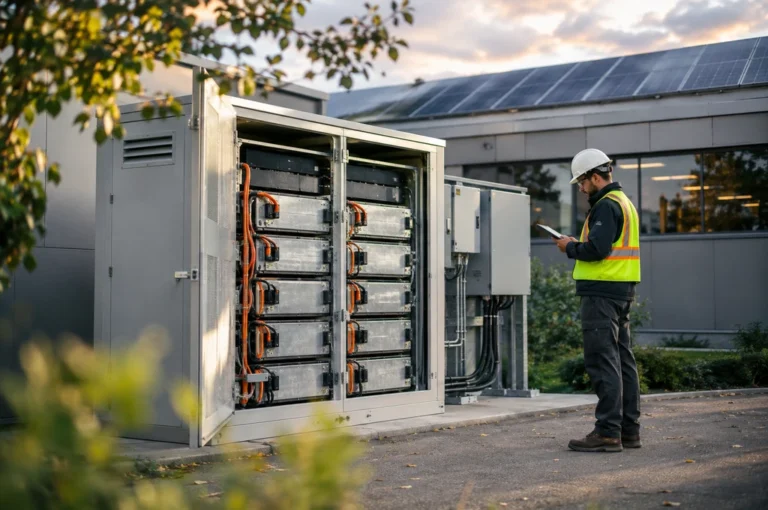
Investing in renewable energy is not just about saving money; it is about energy independence. A home battery system allows you to store solar energy for use at night or during outages. This adds a layer of security that an EV cannot provide. The financial test, therefore, is not a zero-sum game. You can and should pursue both, but the order of operations matters.
Conclusion
Solar panels and EVs offer a powerful combination for reducing carbon footprints and household expenses. While the initial outlay is steep, the long-term savings are undeniable for most households. The key to success lies in strategic planning and understanding your local energy market.
Frequently Asked Questions
Are solar panels better than electric vehicles for saving money?
Generally, solar panels provide a higher return on investment (ROI) because they lower your electricity bill immediately, whereas an EV saves money on fuel but does not generate revenue.
How long does it take to break even on a solar panel installation?
The payback period typically ranges from 7 to 12 years, depending on your electricity usage, local solar incentives, and installation costs.
Can I charge my electric vehicle with solar panels?
Yes, you can charge your EV directly from your solar panels, though a home battery system is often recommended to store excess energy for night-time charging.
Do solar panels increase the value of my home?
Yes, homes with solar energy systems often sell for a premium and attract more buyers due to lower utility bills and energy efficiency.
What is the main cost factor when buying an EV?
The initial purchase price is the main cost, followed by the cost of electricity for charging compared to petrol prices.
Are there government rebates for solar and EVs?
Many governments offer rebates and tax credits for both solar installations and electric vehicle purchases to encourage green energy adoption.
How do home batteries work with solar panels?
Home batteries store excess solar energy generated during the day for use when the sun is not shining, increasing your self-consumption rate.
Is it cheaper to charge an EV at home or at public stations?
Charging at home is almost always cheaper than public charging stations, especially if you have solar panels or off-peak electricity rates.
What happens to the value of solar panels and EVs over time?
Solar panels have a long lifespan but depreciate in value over time, while EVs depreciate similarly to traditional gasoline cars.
Do I need a special meter for an EV charger?
Some utilities require a smart meter to monitor energy usage and manage demand charges, though this depends on your local electricity provider.
Conclusion
The financial test of solar panels versus EVs is not a competition, but a partnership. By combining a robust solar system with an efficient electric vehicle, homeowners can maximize their savings and minimize their carbon impact. The future of energy is decentralized, and owning both assets puts you in control.
Source: The Australian (theaustralian[dot]com[dot]au)