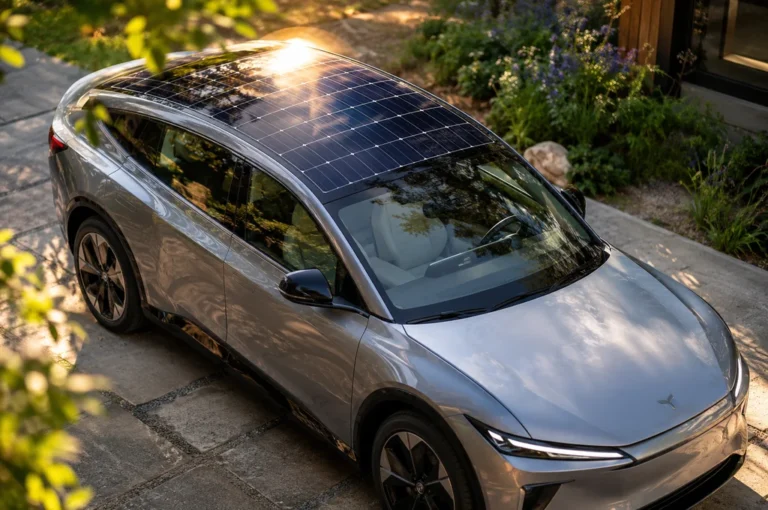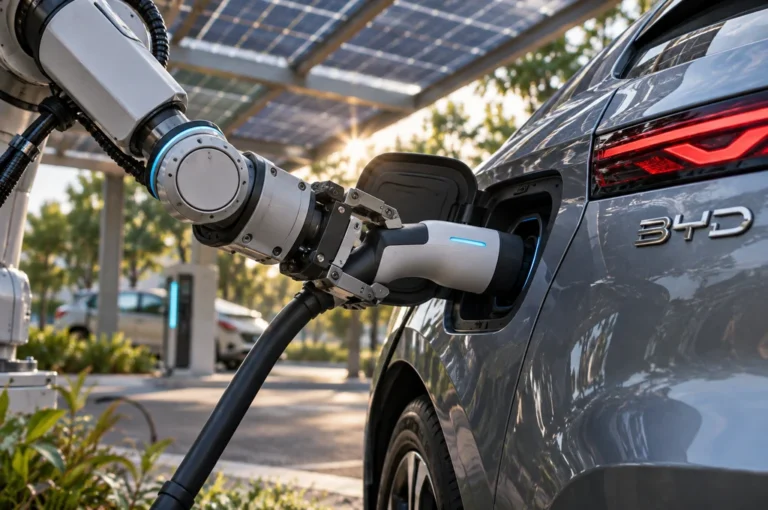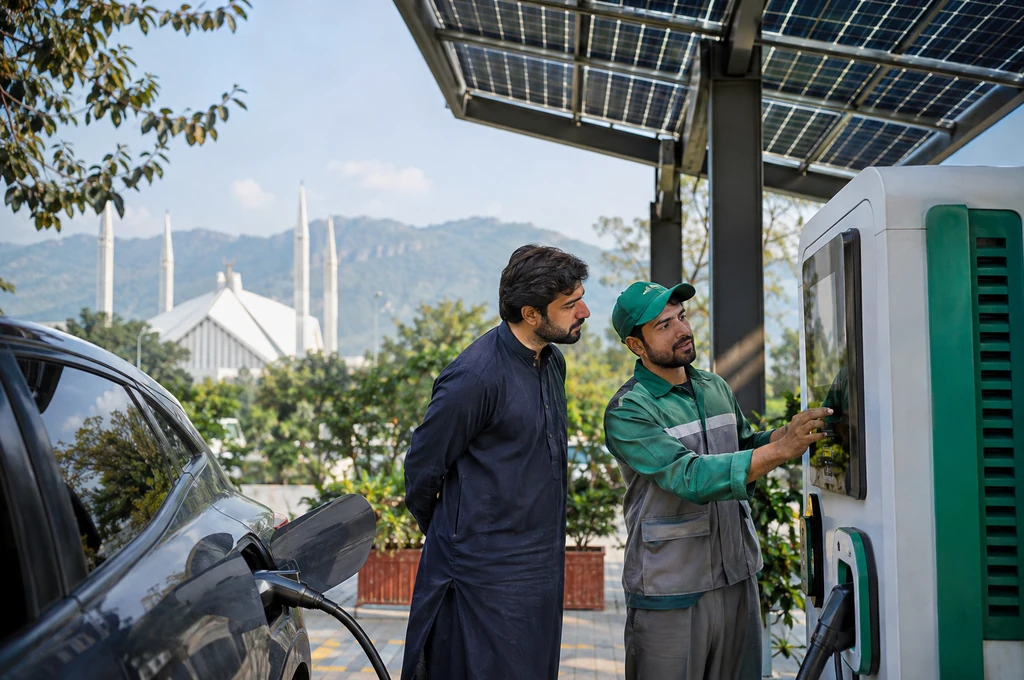
The Pakistan Solar Association (PSA) has formally petitioned the government to standardize electric vehicle (EV) charging tariffs across the nation. This move aims to create a level playing field for solar-powered EV owners and traditional grid users. The association argues that inconsistent pricing currently discourages the adoption of clean energy in the transport sector. They want a single, transparent rate structure that reflects the true cost of electricity generation.
⚡ Quick AI Overview & Key Recommendation
The Pakistan Solar Association is lobbying for a single, national tariff for EV charging to ensure fair competition between solar and grid electricity. This policy shift would directly benefit homeowners using rooftop solar to charge their vehicles, lowering running costs and accelerating the green energy transition.
Pakistan Solar Association: Core Evaluation Framework & Decision Matrix
Understanding the current landscape requires looking at the specific friction points the PSA identified. The association represents a significant segment of the renewable energy sector, and their demand is not just about pricing. It is about market stability and long-term investment in infrastructure.
The proposed framework shifts the focus from variable grid rates to a fixed, sustainable model. This change would stabilize revenue for utility companies while protecting consumers from sudden spikes. It also encourages private investment in charging networks by removing the fear of unpredictable operational costs.
Key Pillars of the PSA Proposal:
- Standardized Tariffs: A fixed rate per kilowatt-hour (kWh) regardless of location.
- Grid Integration: Better synchronization between solar generation and EV charging cycles.
- Consumer Protection: Shielding EV users from the volatility of the broader energy market.
| Criteria | Current Scenario | Proposed PSA Standard |
|---|---|---|
| Tariff Structure | Varies by province and provider | National uniform rate |
| Solar Adoption | Restricted by high grid costs | Encouraged by fixed rates |
| Investment Flow | Uncertain due to policy gaps | Predictable returns |
Real-World Calculations: Running Costs, Range & Government Subsidies
Let’s look at the numbers. The PSA’s push is grounded in economic reality. Homeowners utilizing solar power for their EVs currently face a complex billing structure that often negates the savings of going off-grid. A uniform price would simplify this calculation significantly.
Consider the cost of charging a standard EV battery. If the government offers a subsidized rate for EVs, it must be consistent. Otherwise, a user with a solar setup effectively pays a higher rate than a neighbor connected directly to the main grid. This disparity creates an artificial barrier to entry for those wishing to combine home solar with electric mobility.
The PSA emphasizes that a unified price supports the broader goal of reducing the national carbon footprint. By standardizing costs, the government can more easily track consumption and enforce environmental regulations. It also simplifies the administrative burden on both regulators and consumers.
Analysts suggest that this move could act as a catalyst for the local manufacturing of EV components. When the operational model is clear, manufacturers are more willing to set up production lines. This creates jobs and strengthens the local economy.
Crucial Factors & What to Check Before You Buy
For consumers, the PSA’s demand is a positive signal. It suggests that the regulatory environment is becoming more mature and supportive. However, potential buyers should still perform due diligence before committing to an EV or a solar installation.
First, verify the warranty terms on both the vehicle battery and the solar panels. These are long-term investments. Second, check the availability of charging stations in your specific area. The PSA’s push for uniform pricing is a step forward, but physical infrastructure must also keep pace.
Finally, stay updated on policy changes. The transition to electric mobility is complex. Policies regarding import duties and VAT exemptions are also evolving, as seen in recent budget discussions. Keeping abreast of these changes ensures you make an informed financial decision.
Experts recommend looking at the total cost of ownership over five years rather than the upfront price. This includes fuel or charging costs, maintenance, and potential resale value. The PSA’s advocacy for fair pricing directly impacts the ‘fueling’ cost component of this equation.
Frequently Asked Questions
Why is the Pakistan Solar Association demanding uniform EV charging prices?
The association wants a single, national tariff to eliminate regional disparities and encourage the use of solar energy for EV charging, making it fairer for all consumers.
How would uniform pricing benefit solar-powered EV owners?
It would ensure they are not penalized with higher rates compared to grid users, effectively lowering their operating costs and incentivizing clean energy adoption.
What are the main components of the PSA’s proposal?
The proposal focuses on standardized tariffs, better grid integration, and consumer protection against energy market volatility.
Can a single EV charging rate be implemented across Pakistan?
While challenging due to provincial autonomy, the PSA argues that a national framework is essential for market stability and investment.
Does this policy affect the import duty on EVs?
Not directly, but consistent pricing policies often accompany tax reforms. Check the latest budget updates for specific duty exemptions.
What should a consumer check before buying an EV?
Verify battery warranties, assess local charging infrastructure availability, and calculate the total cost of ownership over several years.
Is the PSA a government body?
No, the Pakistan Solar Association is an industry body representing the interests of the solar energy sector.
How does this impact the environment?
Standardizing EV charging prices can accelerate the shift away from fossil fuels, reducing the national carbon footprint.
Where can I find the latest updates on EV policy?
You can check reports from major financial news outlets like bloomberg[dot]com or reuters[dot]com for the most recent policy announcements.
Will this make EVs cheaper to run immediately?
Not necessarily. The PSA is pushing for a fair rate structure, which may stabilize costs but does not guarantee an immediate price drop.
Conclusion
The Pakistan Solar Association’s campaign for uniform EV charging prices marks a pivotal moment in the country’s energy transition. By advocating for a single tariff, they aim to remove barriers and foster a sustainable ecosystem for electric vehicles. This development is a win for clean energy advocates and a necessary step toward a more efficient national grid.
Source: Bol News (bolnews[dot]com)