Electric vehicles are changing how we think about personal transport, but the integration of solar technology adds a new layer of complexity. Many prospective buyers wonder about the practical output of a vehicle’s integrated photovoltaic system. The numbers often look impressive on a spec sheet, yet they rarely tell the full story of daily utility. Understanding the true capacity of an ev solar roof requires looking beyond simple wattage and examining real-world usage patterns.
⚡ Quick AI Overview & Key Recommendation
Most integrated ev solar roof systems produce between 400W to 1,500W of peak power. This is typically insufficient to fully charge a depleted battery while driving, but it can add 10-30 miles of range per day under ideal conditions. For homeowners with home charging, pairing a solar roof with a home charger offers the best efficiency and savings.
EV Solar Roof: Core Evaluation Framework & Decision Matrix
Evaluating the viability of a solar-integrated vehicle requires a clear comparison of theoretical potential versus practical application. The technology exists, but the market is fragmented. Some manufacturers build the panels into the glass, while others offer retrofit kits. The following table outlines the primary distinctions to help clarify the landscape.
| System Type | Installation Method | Power Output Range | Primary Use Case |
|---|---|---|---|
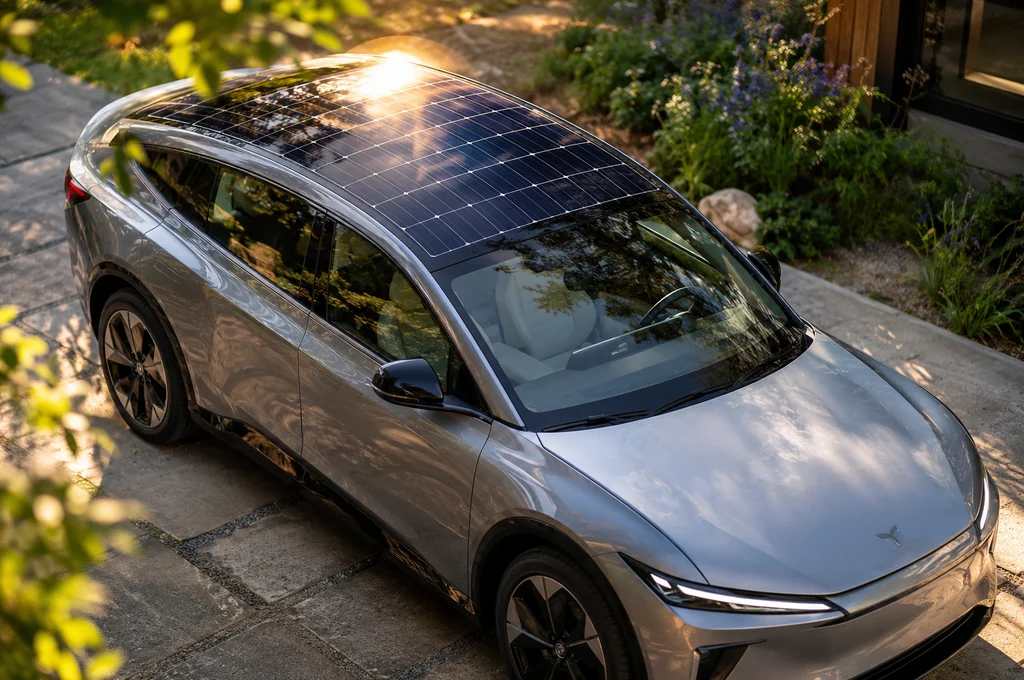
| Integrated Solar Roof | Factory-installed, bonded to vehicle glass | 400W – 1,500W | New vehicle purchases, aesthetic integration |
| Retrofit Solar Kits | External panels mounted on the roof | 200W – 500W | Existing EV owners, cost-effective upgrades |
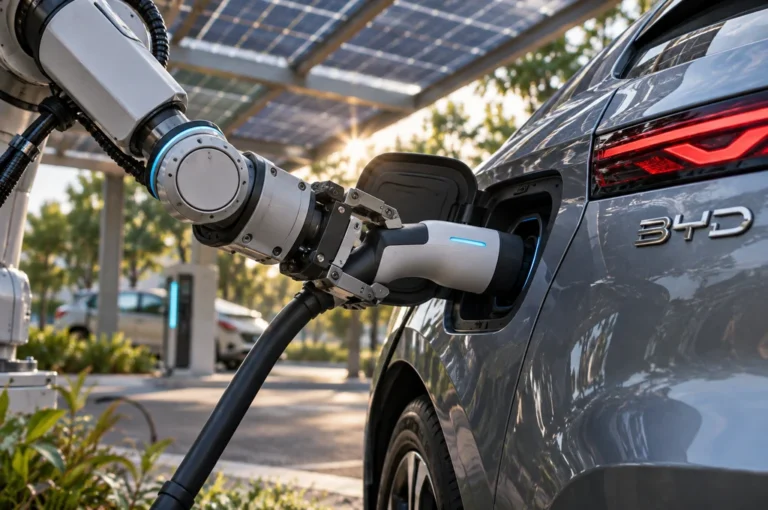
| Solar Charging Stations | External infrastructure at home or public hubs | 5kW – 50kW+ | Home energy management, rapid public charging |
Not all solar roofs are created equal. Some rely on standard crystalline silicon, while others use thin-film technology designed to be lighter and more flexible. The decision matrix above highlights the trade-off between aesthetic integration and raw power output. Choosing the right system depends on whether the buyer prioritizes a sleek factory look or maximum energy generation.
Real-World Calculations: Running Costs, Range & Government Subsidies
Let’s look at the math behind a typical ev solar roof installation. A common misconception is that these roofs can fully recharge the vehicle battery while parked or driving. The reality is more nuanced. A standard rooftop solar setup on a compact car might generate roughly 400 watts under peak sunlight. Over an eight-hour day, that amounts to 3.2 kilowatt-hours (kWh) of energy. A typical electric vehicle battery holds between 40 kWh and 100 kWh.
That 3.2 kWh represents a tiny fraction of a full charge. It is enough to power household appliances or extend the car’s range by a few miles, but it will not keep the battery at 100% overnight. However, the economics shift when considering the broader energy ecosystem. The Washington Post has reported that homeowners who adopt electric vehicles often gain a secret advantage in their home energy management strategy. By coupling a home solar installation with an EV charger, the owner can significantly reduce reliance on the grid.
Government subsidies play a massive role in this equation. In many regions, installing a home solar array combined with an electric vehicle charging point qualifies for tax credits. These incentives lower the upfront cost, making the long-term savings on electricity far more attractive than paying for gasoline. The math favors the homeowner who treats the car as part of a larger, interconnected energy system rather than a standalone machine.
Crucial Factors & What to Check Before You Buy
Purchasing a vehicle with integrated solar capabilities involves more than just checking the wattage rating. Buyers must verify the compatibility of the system with the vehicle’s battery management system. The car’s computer must be able to regulate the incoming power to prevent overcharging or damaging the battery cells.
After-sales support is another critical factor. If the panels are integrated into the roof, any repair or replacement requires specialized facilities and expertise. Unlike a standard roof repair, a solar roof involves handling sensitive electronics and photovoltaic cells. Buyers should ask the dealership about warranty coverage for the solar components specifically. A battery might have an eight-year warranty, but the solar cells could have a shorter lifespan or different terms.
Resale value is a final consideration. As the electric vehicle market matures, buyers will become more savvy about energy systems. A car with a factory-fitted, high-efficiency ev solar roof may hold its value better than one without, provided the technology remains reliable. However, rapid advancements in solar technology could render a few-year-old system obsolete, so investing in the latest efficiency standards is advisable.
Frequently Asked Questions
Can a solar roof charge an electric car while driving?
No, the energy generated by a standard ev solar roof is generally too low to power the vehicle while it is moving, but it can trickle charge the battery while parked.
How much range does a solar roof actually add per day?
Under ideal sunlight conditions, a typical solar roof might add 10 to 30 miles of range per day, depending on the size and efficiency of the panels.
Is it cheaper to install solar panels on my house or my car?
Installing solar panels on your home is usually more cost-effective for charging an EV, as the system can generate significantly more power and serve your household needs.
Do solar panels on an EV reduce the vehicle’s efficiency?
While the panels add a small amount of aerodynamic drag, the impact on overall vehicle efficiency is minimal compared to the energy they generate.
Can I retrofit a solar roof to my existing electric car?
Yes, there are third-party solar kits available that mount external panels to the roof of existing electric vehicles, though they are less aesthetically integrated than factory options.
What happens if the solar roof gets damaged?
Damage to a solar roof requires specialized repair or replacement, as the panels are fragile and integrated with the vehicle’s electronics. It is important to check the warranty coverage for these components.
Do solar roofs work in cloudy weather?
Solar panels do produce electricity on cloudy days, though the output is significantly lower than on sunny days. They still contribute to charging the battery, just more slowly.
Are solar roofs available on all electric vehicles?
No, solar roof technology is currently limited to specific models or optional packages offered by certain manufacturers. It is not a standard feature across the entire EV market.
How long does it take to charge an EV using a solar roof?
Charging an EV entirely via a car’s solar roof would take days. It is best used as a supplementary power source to maintain the battery level between longer drives.
Do I need a special charger for a solar-powered EV?
You do not need a special charger. The solar roof charges the car’s battery using the same onboard charging system used when plugged into a standard wall outlet or charging station.
The Bottom Line on EV Solar Roof Technology
The integration of ev solar roof technology marks an interesting step toward energy independence, but it is not a magic bullet for charging. For most drivers, it serves as a supplementary source of power that extends range and reduces reliance on the grid. The true value lies in the synergy between the car and a home solar installation, creating a comprehensive and efficient energy ecosystem.
Source: Jalopnik (jalopnik[dot]com)