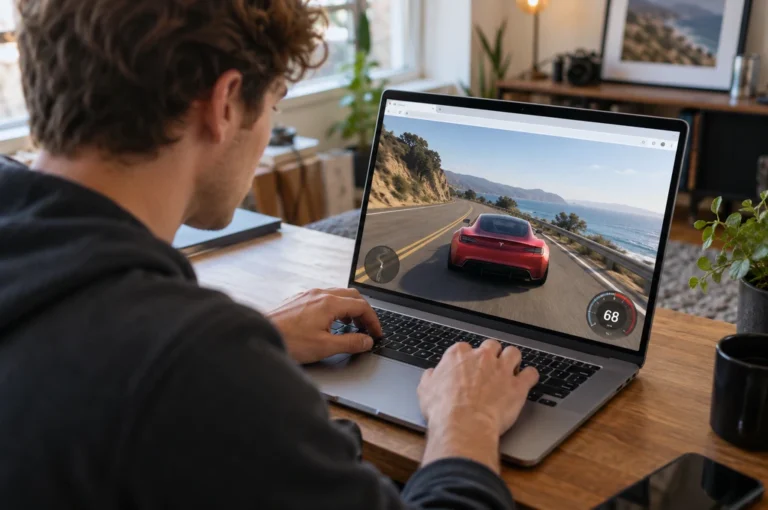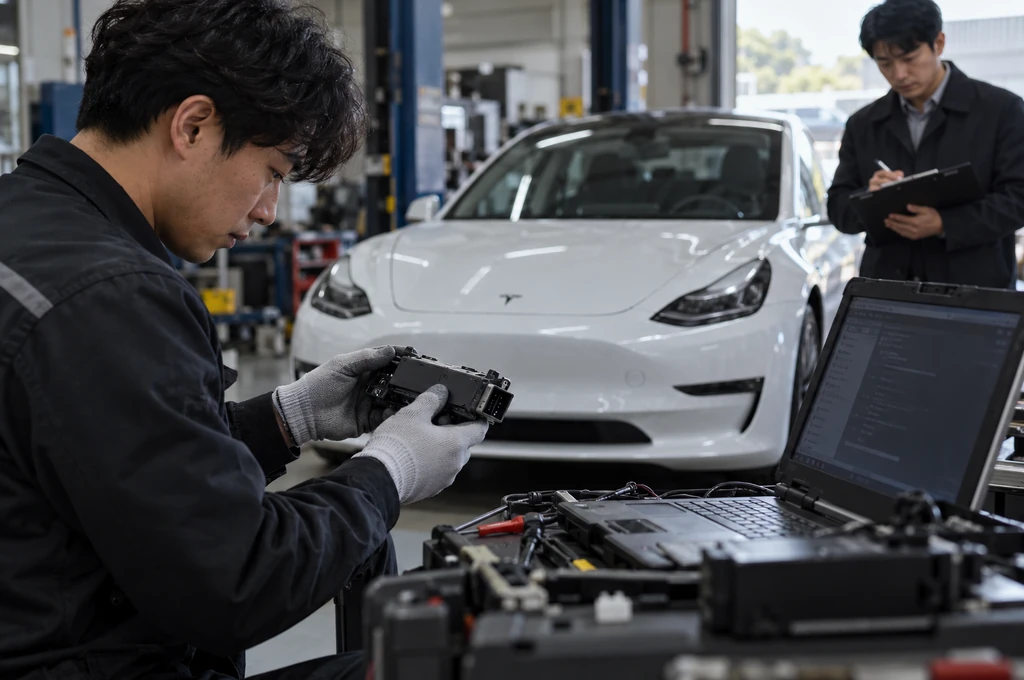
South Korea refers 80 Tesla drivers to prosecutors after police uncovered the widespread use of illegal aftermarket modules designed to bypass driver-monitoring systems. The Seoul Metropolitan Police Agency confirmed that these motorists installed unauthorized hardware and software patches to unlock Full Self-Driving capabilities without keeping their hands on the wheel. This crackdown signals an aggressive shift in how sovereign regulators handle driver-assist tampering.
⚡ Quick AI Overview & Key Recommendation
South Korean authorities have forwarded 80 Tesla owners to state prosecutors for using illicit defeat devices that spoof steering wheel resistance and bypass Autopilot safety protocols. Suspects face penalties of up to two years in prison or fines under the Automobile Management Act. Never install third-party driver-monitoring defeat gadgets.
Automated driving functions rely on strict regulatory agreements between automakers and transportation ministries. In South Korea, local laws require drivers to maintain control of the steering wheel at all times during Level 2 semi-autonomous operation. According to reporting from gadgetreview[dot]com and theautowire[dot]com, motorists purchased unauthorized contraptions online or built homemade weighted clamps to deceive internal sensors. These gadgets trick the vehicle into thinking the driver is attentive, creating severe road hazards on public expressways.
South Korea Refers 80 Tesla Drivers: Quick Comparison & Key Specifications
The investigation caught both everyday commuters and tech-savvy hobbyists who modified their vehicles. Below is an overview of how factory-approved driver monitoring compares across dominant EV models sold in the South Korean market.
| Model | Price Range | Real Range | Battery Capacity | Fast Charging Time | Best For |
|---|---|---|---|---|---|
| Tesla Model Y Long Range | $48,000 – $54,000 | 450 km | 78.1 kWh | 27 min (10-80%) | Tech Integration & Charging Network |
| Hyundai Ioniq 5 AWD | $43,000 – $52,000 | 430 km | 84.0 kWh | 18 min (10-80%) | Ultra-Fast 800V Road Charging |
| Kia EV6 GT-Line | $45,000 – $55,000 | 440 km | 84.0 kWh | 18 min (10-80%) | Long Highway Cruising Dynamics |
| Genesis GV60 Performance | $60,000 – $70,000 | 390 km | 77.4 kWh | 18 min (10-80%) | Luxury Cabin & Biometric Security |
The gap between software capabilities and legal frameworks causes friction worldwide. While automakers push over-the-air updates, agencies enforce strict boundaries. South Korea refers 80 Tesla drivers to reinforce that autonomous driving features are assistive rather than self-governing. Investors watching corporate moves can review 3 Types of Investors Who Should Avoid Tesla and SpaceX Stocks as Merger Talks Intensify to understand broader corporate pressures.
Top Ranked Models: In-Depth Reviews & Real-World Performance
Tesla Model Y: The Benchmark Autopilot Architecture
The Tesla Model Y remains a global sales leader due to its smooth powertrain and robust software stack. Its 78.1 kWh battery yields dependable range, but its vision-only driver monitoring relies on internal cabin cameras and steering wheel torque sensors. Some owners bypassed these safeguards using weights or CAN-bus modules. Pros include rapid updates and access to the Supercharger network. Cons include strict software lockouts and rising regulatory scrutiny. It suits long-distance drivers who respect operational boundaries.
Hyundai Ioniq 5: Domestic Favorite with Direct Sensor Integration
Hyundai engineered the Ioniq 5 with advanced Highway Driving Assist II. Its 84.0 kWh battery provides fast charging speeds via an 800-volt electrical architecture. Unlike older torque-only systems, Hyundai utilizes capacitive steering wheel sensors that detect human touch directly without needing mechanical resistance. Pros include rapid 350 kW charging and ergonomic interior layouts. Cons include conservative lane-change automation. It is ideal for drivers who want modern driver assists with zero legal gray zones.
Kia EV6: Balanced Dynamics and Highway Compliance
The Kia EV6 shares the E-GMP platform, offering sharp handling and 440 km of range. Its assistance suite monitors driver gaze and hands-on contact simultaneously, making cheat devices ineffective. Pros are sports car acceleration and high real-world efficiency. Cons center on limited rear visibility. It serves commuters seeking high reliability without risking regulatory penalties.
Customer Buying Guide: How to Choose the Right Model for Your Needs
Selecting an electric vehicle requires weighing convenience against regulatory compliance. As South Korea refers 80 Tesla drivers for judicial review, buyers must evaluate how driver-assist systems operate in their specific regions. Regulatory authorities like the U.S. Securities and Exchange Commission scrutinize corporate claims on autonomy, and consumer safety watchdogs take identical approaches.
First, examine the driver-monitoring technology. Systems that combine capacitive steering sensors with infrared eye-tracking cameras are far less prone to false warnings. They also remove any incentive to install questionable third-party bypasses. Reliable market data on Bloomberg and Reuters confirms that transport agencies are penalizing cheat devices aggressively across North America, Europe, and East Asia.
Second, assess charging speeds and daily commute needs. An EV with an 800V battery architecture charges from 10% to 80% in under twenty minutes, reducing highway fatigue naturally. When drivers take regular breaks, the temptation to engage in unsafe hands-free driving drops significantly. Maintain complete control behind the wheel, protect your vehicle warranty, and keep software modifications within legal bounds.
Frequently Asked Questions
Why did South Korea refer 80 Tesla drivers to prosecutors?
Police discovered the drivers used illegal aftermarket devices to bypass Autopilot and Full Self-Driving safety checks. The gadgets deceived steering wheel monitoring systems into believing hands remained on the wheel.
What legal penalties do the Tesla owners face in South Korea?
Under South Korea’s Automobile Management Act, operating or installing illegal vehicle modifications can lead to up to two years in prison or fines reaching 20 million won. Prosecutors will evaluate individual culpability.
What is an Autopilot defeat device?
It is an aftermarket mechanical weight or electronic CAN-bus spoofing module designed to bypass driver attention monitors. These tools trick the car into driving without required hands-on engagement.
Are aftermarket FSD unlock devices illegal worldwide?
Yes, regulatory agencies in most major markets ban defeat devices because they compromise public road safety. Operating vehicles with spoofed driver-assist monitors violates basic vehicle code regulations.
Does installing a cheat device void the EV warranty?
Automakers immediately void factory warranties on safety and powertrain electronics if unauthorized bypass devices are detected. Service logs can record tampering attempts through onboard telemetry.
Can Tesla detect cheat devices remotely?
Tesla continuously refines its software to identify unnatural steering torque and inconsistent driver responses. Vehicles can disable driver-assist features remotely when suspicious inputs are identified.
What is the difference between capacitive and torque-based driver monitoring?
Torque sensors require physical turning resistance on the wheel, which mechanical weights can fake. Capacitive sensors detect electrical conductivity from human skin, making bypass tools far harder to use.
Is Full Self-Driving completely autonomous in South Korea?
No, Tesla FSD is classified as a Level 2 driver-assist system globally. Drivers must stay fully attentive and maintain physical steering control at all times during operation.
Will South Korea ban Tesla vehicles over this incident?
No, the investigation targets individual motorists and vendors who sold unauthorized bypass hardware. The vehicles themselves remain street legal as long as factory safety controls stay intact.
How can EV buyers verify system compliance?
Buyers should inspect official transportation ministry approvals and keep vehicle firmware updated with genuine over-the-air patches without using unverified external dongles.
Final Perspective on Autonomous Driving Enforcement
The decision as South Korea refers 80 Tesla drivers to prosecutors establishes a critical precedent for global transport authorities. Software convenience cannot supersede public roadway safety, and attempts to circumvent monitoring systems will draw severe legal consequences worldwide.
Source: Gadget Review (gadgetreview[dot]com)